Top 10 Fascinating Facts About Red-Eared Sliders That Will Blow Your Mind
Welcome, fellow turtle enthusiasts! If you’re reading this, chances are you’re already captivated by these amazing reptiles. Today, we’ll dive deep into the world of red-eared sliders, uncovering some truly fascinating facts that will leave you in awe. From their striking appearance to their complex behavior, there’s much more to these turtles than meets the eye. So, let’s get started!
1. The Distinctive Red Markings on Their Heads
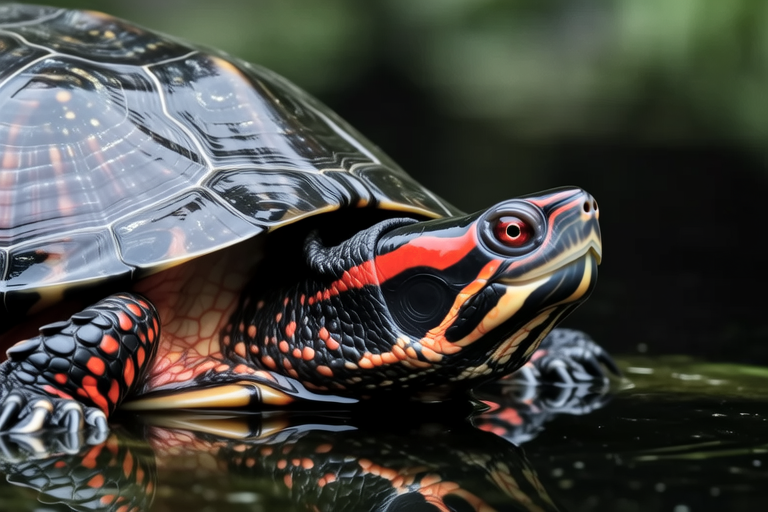
The most recognizable feature of red-eared sliders (Trachemys scripta elegans) is the bright red stripe behind each eye, which gives them their name. These markings serve as a form of camouflage, helping them blend into their natural habitats, particularly among reeds and aquatic plants. Interestingly, the coloration can vary slightly depending on the individual’s diet and environment, making each turtle unique.
2. Exceptional Swimmers
Red-eared sliders are expert swimmers, thanks to their streamlined bodies and webbed feet. They have a special adaptation called a plastron, which is a hard, flat lower shell that provides buoyancy and stability in water. This allows them to glide effortlessly through ponds, lakes, and slow-moving rivers. But they’re not just good at swimming; they’re also adept at diving, often submerging themselves for several minutes to forage for food or escape predators.
3. Lifespan: A Long Journey
One of the most impressive aspects of red-eared sliders is their longevity. In the wild, they can live up to 40 years, though many don’t reach this age due to various threats. In captivity, where they’re protected from predators and environmental hazards, they can exceed 50 years. Imagine owning a pet that could potentially outlive you! Proper care and attention are crucial to ensuring your slider reaches its full potential lifespan.
4. Habitat Preferences: The Ideal Home
Red-eared sliders are native to the southern United States and northern Mexico but have been introduced to other parts of the world, including Europe, Asia, and Australia. They prefer calm waters with muddy or sandy bottoms, abundant vegetation, and plenty of basking spots. In the wild, they play a vital role in maintaining the balance of their ecosystems by controlling insect populations and serving as prey for larger animals.
5. Basking Behavior: Sun Worshipers
Basking is a critical activity for red-eared sliders. They need sunlight to help their bodies produce vitamin D3, which aids in calcium absorption for strong shells and bones. You might find your slider spending hours lounging on rocks or logs, soaking up the sun. This behavior is so essential that it’s often used as a diagnostic tool by veterinarians to assess a turtle’s health.
6. Omnivorous Diet: A Balanced Meal
Red-eared sliders are omnivores, meaning they eat both plant and animal matter. As juveniles, they tend to be more carnivorous, consuming insects, small fish, and tadpoles. As they mature, their diet shifts towards more vegetation, such as duckweed, algae, and aquatic plants. Providing a balanced diet in captivity is key to their health and well-being. Commercial turtle pellets, supplemented with fresh vegetables and occasional treats like earthworms, make for a nutritious meal.
7. Hibernation: Nature’s Winter Break
In colder climates, red-eared sliders undergo a process known as brumation, similar to hibernation. During this period, they become less active and may bury themselves in mud at the bottom of ponds or lakes. Their metabolism slows down significantly, allowing them to survive without eating for months. This adaptation is a testament to their resilience and ability to thrive in varying environments.
8. Communication: More Than Meets the Eye
While red-eared sliders aren’t exactly vocal, they do communicate through a variety of methods. Males, for instance, engage in elaborate courtship displays, including head bobbing, leg waving, and even nipping at females. Females, on the other hand, are more subtle in their communication, often signaling readiness to mate through specific postures. These behaviors are fascinating to observe and highlight the complexity of turtle social interactions.
9. Reproduction: A Delicate Dance
Red-eared sliders reach sexual maturity around 5 to 10 years of age. Mating typically occurs in spring or early summer, with males initiating courtship through the aforementioned displays. After mating, females lay clutches of eggs, usually between 6 to 20, in sandy soil near water. Incubation lasts approximately 60 to 90 days, during which time the temperature determines the sex of the hatchlings. Warmer temperatures produce more males, while cooler temperatures favor females.
10. Conservation Challenges: Protecting Our Turtles
Despite their adaptability, red-eared sliders face numerous challenges in the wild. Habitat destruction, pollution, and the illegal pet trade are significant threats to their survival. In some regions, they’re considered invasive species, disrupting local ecosystems and outcompeting native turtle populations. It’s crucial to support conservation efforts and ensure responsible ownership practices to protect these remarkable creatures for future generations.
A Call to Action: Learn More and Get Involved
Red-eared sliders are truly fascinating creatures, full of surprises and wonder. Whether you’re a seasoned turtle enthusiast or a curious newcomer, there’s always more to learn about these amazing reptiles. Consider adopting a responsible approach to turtle ownership, providing proper care and enrichment for your pets. Additionally, supporting local conservation initiatives can help protect wild populations and their habitats. Together, we can ensure that red-eared sliders continue to thrive for years to come.
