Samoyed Breed Breakdown: Everything You Need to Know Before Adoption
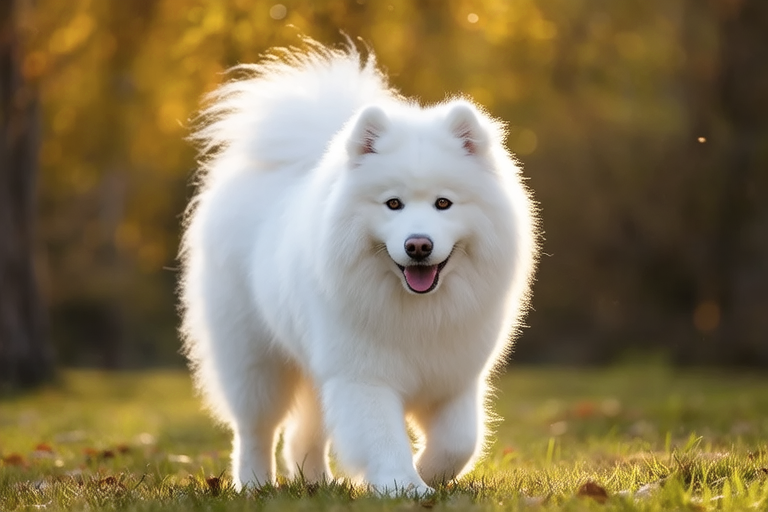
The Samoyed is a breed of dog that has captured the hearts of many dog lovers with its striking white coat and charming smile. Originating from Siberia, these dogs were bred by the Samoyede people, who relied on them for herding reindeer, pulling sleds, and as companions. Today, Samoyeds are cherished pets known for their friendly demeanor and loyalty. This comprehensive guide will cover everything you need to know about the Samoyed breed before considering adoption.
Introduction to the Samoyed Breed
The Samoyed’s history dates back thousands of years, where they played a crucial role in the lives of the nomadic Samoyede people. These dogs were not just working animals but also family members, sharing the warmth of tents and helping to protect against the harsh Siberian winters. Their thick, fluffy double coat is well-suited to this environment, providing insulation against cold temperatures. The breed is characterized by a distinctive plume tail that curls over their back and a broad, black nose that contrasts beautifully with their snowy-white fur.
Temperament, Energy Levels, and Typical Behaviors
Samoyeds are renowned for their friendly and affectionate nature. They are typically very sociable and get along well with children, other pets, and strangers. However, their high energy levels can sometimes lead to mischievous behavior if not properly channeled. They love to play and are often found running around or participating in activities like fetch. Their natural herding instincts may manifest in attempts to herd smaller animals or even children, so early training is essential to manage this behavior effectively.
Grooming Needs
Owning a Samoyed comes with significant grooming responsibilities due to their thick, double-layered coats. Regular brushing is necessary to prevent matting and to keep shedding under control. During shedding seasons, which occur twice a year, daily brushing might be required. Bathing should be done sparingly to avoid stripping the coat of its natural oils. Additionally, paying attention to their ears, nails, and teeth is important for maintaining overall health.
Health Concerns Specific to the Breed
While generally healthy, Samoyeds can be prone to certain genetic health issues. Hip dysplasia, elbow dysplasia, and eye problems such as cataracts and progressive retinal atrophy (PRA) are common. Regular veterinary check-ups and screenings can help identify and address these issues early. Maintaining a balanced diet and ensuring proper exercise can also contribute to better health outcomes.
Dietary Requirements
A balanced diet is crucial for keeping your Samoyed healthy and energetic. High-quality dog food rich in proteins and fats is recommended to support their active lifestyle. Avoid foods high in fillers or artificial ingredients. Consultation with a veterinarian can help tailor a diet plan that meets your dog’s specific nutritional needs based on age, weight, and activity level.
Exercise Needs
Samoyeds have a lot of energy and require regular physical activity to stay happy and healthy. Daily walks combined with opportunities for running and playing are ideal. They enjoy outdoor activities like hiking, swimming, and dog sports. Providing mental stimulation through interactive toys and puzzles can also help satisfy their curious minds.
Suitability for Different Living Environments
Samoyeds are adaptable to various living situations but thrive best in homes with access to outdoor spaces where they can run and play freely. They do well in colder climates due to their thick coats but can adjust to warmer regions if kept cool during hot weather. Regardless of climate, they should always have shade and water available when outside.
Tips on Training and Socializing a Samoyed
Training a Samoyed requires patience and consistency. Positive reinforcement techniques work well, rewarding good behavior with treats, praise, or playtime. Early socialization is key to developing a well-adjusted adult dog. Expose your puppy to different people, places, and experiences from a young age to ensure they grow up confident and friendly. Consistent training sessions starting from puppyhood will help establish clear boundaries and commands.
Advice Before Adopting a Samoyed
Adopting a Samoyed is a significant commitment. Consider whether you have the time, space, and resources to provide the care and attention this breed requires. Research local rescue organizations or shelters if you’re interested in adopting rather than purchasing from a breeder. Prepare your home by creating a comfortable, safe space for your new pet. Lastly, be prepared for the long-term commitment involved in caring for a Samoyed, which can live up to 14 years or more.
In conclusion, the Samoyed is a wonderful addition to any family, offering companionship, loyalty, and joy. By understanding their unique characteristics, needs, and behaviors, you can ensure a fulfilling life for both you and your Samoyed. With proper care, training, and love, these magnificent dogs will bring endless happiness into your home.
