Unraveling the Mystery Behind Norway’s Most Beloved Pet Trends
Norway, a country known for its stunning landscapes, rich history, and progressive policies, also boasts a unique culture surrounding pet ownership. This article delves into the fascinating world of Norwegian pet trends, exploring the historical influences that have shaped current preferences, the popular pet types, and the factors driving these trends. We will also provide insights from Norwegian pet experts and owners, and conclude with predictions for the future of pet trends in Norway.
The Cultural Context of Pet Ownership in Norway
Pet ownership in Norway is deeply rooted in the country’s history and values. The Norwegians have long cherished their connection to nature, and this reverence has extended to their pets. Historically, dogs were primarily used for hunting and herding, but over time, they became companions, reflecting the evolving relationship between humans and animals. This shift was influenced by the country’s growing urbanization, which began in the late 19th century. As more people moved to cities, pets became symbols of comfort and companionship rather than just tools for survival.
The Norwegian welfare state has also played a significant role in shaping pet ownership. The government’s emphasis on health and well-being has encouraged responsible pet ownership, ensuring that animals are treated as part of the family rather than mere possessions. This approach has fostered a strong bond between humans and their pets, contributing to the high levels of pet ownership in the country today.
Historical Influences Shaping Current Pet Trends
The evolution of pet trends in Norway can be traced back to several key historical events. One of the most significant influences has been the country’s involvement in World War II. During this period, many Norwegians turned to pets for emotional support, leading to a surge in pet ownership. Post-war, as Norway rebuilt and prospered, pet ownership continued to grow, driven by increased disposable income and changing lifestyles.
The rise of the internet and social media in recent decades has further transformed pet trends. Online platforms have provided pet owners with access to a wealth of information, enabling them to make more informed decisions about the care and welfare of their pets. Social media has also facilitated the sharing of experiences and advice, creating a vibrant community of pet enthusiasts.
Popular Pet Types in Norway
In Norway, certain pet types have remained consistently popular over the years, while others have emerged more recently. Dogs continue to be the most beloved pets, with breeds like the Norwegian Elkhound, a national symbol, holding a special place in the hearts of many. These sturdy, friendly dogs are well-suited to the Norwegian climate and terrain, making them ideal companions for outdoor activities.
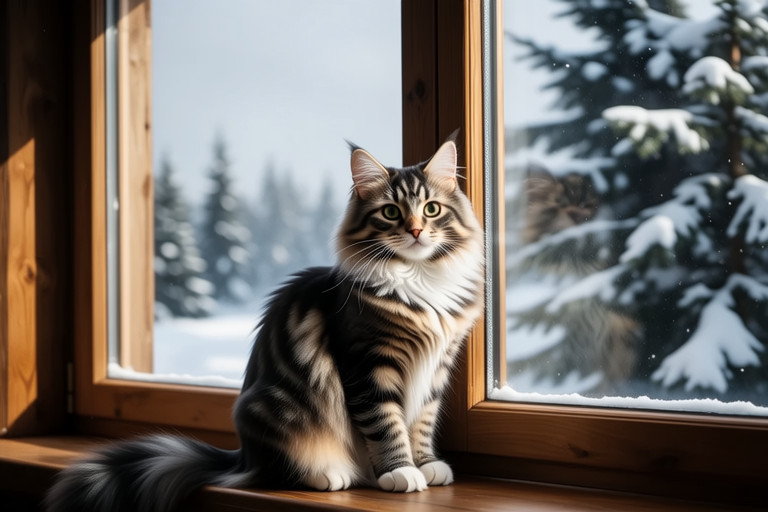
Cats are also widely owned, with the Norwegian Forest Cat being a favorite among cat lovers. Known for their thick coats and playful personalities, these cats are well-adapted to the harsh winters of Norway. Other popular cat breeds include the Maine Coon and the British Shorthair.
Recently, there has been a growing interest in exotic pets, such as reptiles, birds, and small mammals. While these pets require specialized care, they offer unique opportunities for interaction and learning. The Norwegian government has implemented strict regulations to ensure the ethical treatment of these animals, promoting responsible ownership.
Factors Driving Pet Trends in Norway
Lifestyle changes have been a major driver of pet trends in Norway. As more people choose to live alone or in smaller households, pets have become increasingly important sources of companionship. Pets provide emotional support and reduce feelings of loneliness, making them valuable members of the family.
Environmental considerations have also played a role in shaping pet trends. Many Norwegians are conscious of the environmental impact of their choices, including those related to pet ownership. There has been a growing preference for adopting pets from shelters or rescue organizations, reducing the demand for breeding and contributing to animal welfare.
Social media has had a significant impact on pet trends, influencing everything from breed popularity to grooming styles. Platforms like Instagram and TikTok have created a space for pet owners to share their experiences and showcase their pets, fostering a sense of community and inspiration. This has led to the emergence of pet influencers, who use their platforms to promote responsible pet ownership and raise awareness about animal welfare issues.
Insights from Norwegian Pet Experts and Owners
We spoke with several Norwegian pet experts and owners to gain insights into the current trends and challenges in pet ownership. According to Dr. Anna Johansen, a veterinarian at Oslo Animal Hospital, “The increasing popularity of exotic pets is both exciting and challenging. It requires pet owners to be well-informed and committed to providing the best possible care for these animals.” She emphasizes the importance of education and support for pet owners, ensuring they understand the needs of their pets.
Trine Olsen, a dog owner from Bergen, shared her experience with adopting a rescue dog. “Our decision to adopt was motivated by a desire to give a homeless animal a loving home,” she said. “It has been incredibly rewarding, and we feel proud knowing that we have made a positive difference in our community.”
Predictions for Future Pet Trends in Norway
Looking ahead, several trends are likely to shape the future of pet ownership in Norway. Sustainability and innovation are expected to play a significant role, with pet owners increasingly seeking eco-friendly products and services. This includes everything from biodegradable waste bags to sustainable pet food options.
Technological advancements are also poised to transform pet care. Wearable technology, such as fitness trackers and health monitors, could become more common, allowing pet owners to better track their pets’ well-being. Virtual reality experiences might also emerge, offering pets novel ways to engage and stay mentally stimulated.
Education and advocacy will continue to be crucial in promoting responsible pet ownership. Efforts to raise awareness about animal welfare and the ethical treatment of pets will likely intensify, encouraging more people to adopt and care for animals in need.
In conclusion, Norway’s pet trends reflect the country’s deep connection to nature, its commitment to well-being, and its embrace of innovation. As pet ownership continues to evolve, it is clear that pets will remain cherished members of Norwegian families, offering companionship, joy, and inspiration to all who share their lives.
