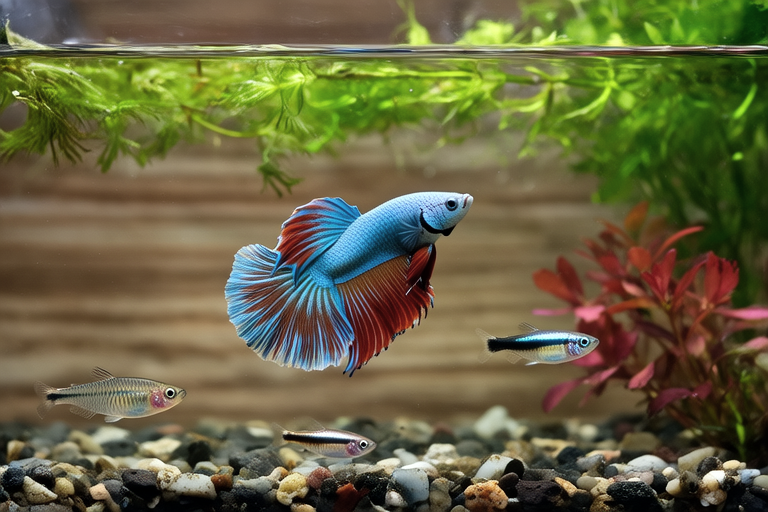
The Ultimate Guide to Choosing the Right Betta Tank Mates
Welcome to The Ultimate Guide to Choosing the Right Betta Tank Mates! Whether you’re a novice aquarist or an experienced fish keeper, this comprehensive guide will provide you with all the necessary information to create a harmonious community tank that includes your beloved betta fish. We’ll explore betta fish temperament, ideal tank mates, compatibility factors, and common mistakes to avoid. Additionally, we’ll discuss the importance of tank size, water conditions, and decor, as well as tips for introducing new fish safely and recognizing signs of stress or aggression.
Understanding Betta Fish Temperament
Betta fish, also known as Siamese fighting fish, are often misunderstood when it comes to their behavior. They are territorial and aggressive towards other bettas, especially males. However, they can coexist peacefully with certain species of fish under the right conditions. It’s essential to understand their natural behavior and preferences to ensure a stress-free environment for your betta and any potential tank mates.
Factors Affecting Betta Fish Compatibility
Several factors influence whether two fish species can live together in harmony:
- Aggression Level: Some fish are naturally more aggressive than others. Bettas fall into this category, but there are less aggressive species that can coexist with them.
- Size: Fish that are too small may become prey, while those that are too large could bully or intimidate the betta.
- Temperament: Peaceful fish are more likely to get along with bettas than aggressive ones.
- Water Conditions: Bettas prefer slightly acidic water with temperatures between 76-82°F (24-28°C). Tank mates should thrive in similar conditions.
- Activity Level: Fish that have different activity levels may clash. For example, a fast-swimming tetra might irritate a slower-moving betta.
Ideal Tank Mate Species
Here are some species that can make excellent tank mates for bettas:
Guppies
Guppies are peaceful, colorful fish that can add vibrancy to your tank. They are relatively small and active, which can help keep the betta entertained. Guppies are generally easy to care for and can tolerate a wide range of water conditions.
Rasboras
Rasboras are another great choice for betta tanks. These small, schooling fish are peaceful and enjoy swimming in groups. Their presence can help reduce stress in the betta by providing companionship without competition.
Corydoras Catfish
Corydoras catfish are bottom-dwelling scavengers that help maintain tank cleanliness. They are peaceful and rarely interact with other fish. Their preference for the lower part of the tank ensures minimal interference with the betta’s territory.
Snails
Assassin snails and nerite snails can be beneficial additions to your betta tank. They help control algae growth and keep the tank clean. Snails are passive and pose no threat to bettas.
Tank Size and Water Conditions
The size of your tank plays a crucial role in determining how many and what type of fish you can house together. A minimum tank size of 10 gallons is recommended for a single betta, and at least 20 gallons for a community tank. Larger tanks provide more space, reducing the likelihood of conflicts between tank mates.
Water conditions are equally important. Bettas prefer slightly acidic water with a pH range of 6.5 to 7.0. Maintaining stable water parameters is key to ensuring the health and happiness of all tank inhabitants. Regular water changes and monitoring equipment can help achieve this.
Decor and Hiding Spots
Providing ample hiding spots and decor can help reduce stress and aggression among tank mates. Incorporating caves, plants, and driftwood creates a more natural environment that mimics the betta’s wild habitat. This setup allows each fish to establish its own territory, minimizing conflicts.
Introducing New Fish Safely
When introducing new fish to your betta tank, follow these steps to minimize stress and potential aggression:
- Quarantine: Keep new fish in a separate quarantine tank for at least two weeks before introducing them to your main tank. This helps prevent the introduction of diseases or parasites.
- Float the Bag: Float the bag containing the new fish in your main tank for about 15 minutes to allow temperature acclimation.
- Slowly Add Water: Gradually add small amounts of water from the main tank to the bag over 15 minutes to equalize water parameters.
- Release Gently: After acclimation, release the new fish into the main tank using a net. Avoid pouring the bag contents directly into the tank.
Signs of Stress or Aggression
It’s important to monitor your betta and tank mates for signs of stress or aggression. Common indicators include:
- Flaring: A betta may flare its gills and fins as a sign of aggression.
- Hiding: Excessive hiding or avoidance behavior can indicate stress.
- Fighting: Direct physical confrontations between fish can occur.
- Loss of Appetite: Fish that stop eating may be stressed or ill.
- Damaged Fins: Fin nipping or damage can result from aggression.
If you notice any of these signs, take immediate action to address the issue. Separating aggressive fish or providing additional hiding spots can help alleviate stress.
Common Mistakes to Avoid
Avoid these common mistakes to ensure a healthy and harmonious community tank:
- Overcrowding: Too many fish can lead to increased stress and aggression.
- Incompatible Species: Adding fish that are too aggressive or territorial can cause problems.
- Improper Introduction: Not following proper quarantine and acclimation procedures can introduce diseases.
- Ignoring Water Parameters: Neglecting regular water testing and maintenance can lead to poor water quality.
Conclusion
Choosing the right tank mates for your betta fish requires careful consideration of temperament, size, water conditions, and tank setup. By understanding your betta’s needs and preferences, you can create a thriving community tank that promotes happiness and health for all inhabitants. Remember to introduce new fish safely, monitor for signs of stress or aggression, and maintain optimal water conditions. With this knowledge, you’ll be well on your way to creating a beautiful and harmonious aquarium ecosystem.
