Exploring the Characteristics and Origins of Samoyeds
The Samoyed is a breed of dog known for its fluffy white coat and friendly disposition. Originating from Siberia, these dogs have been used for centuries as working dogs, pulling sleds and herding reindeer. Their history has significantly influenced their temperament, making them intelligent, trainable, and affectionate companions.
Origins and Early History
Samoyeds were originally bred by the nomadic Samoyede people of northern Siberia. These people relied heavily on their dogs for survival, using them to pull sleds across vast distances and herd reindeer. The dogs’ thick, double-layered coats provided insulation against the harsh Arctic climate, while their strength and endurance made them ideal for heavy work. Over time, the Samoyede people developed a close relationship with their dogs, treating them as family members rather than mere working animals.
Distinctive Fluffy Coats
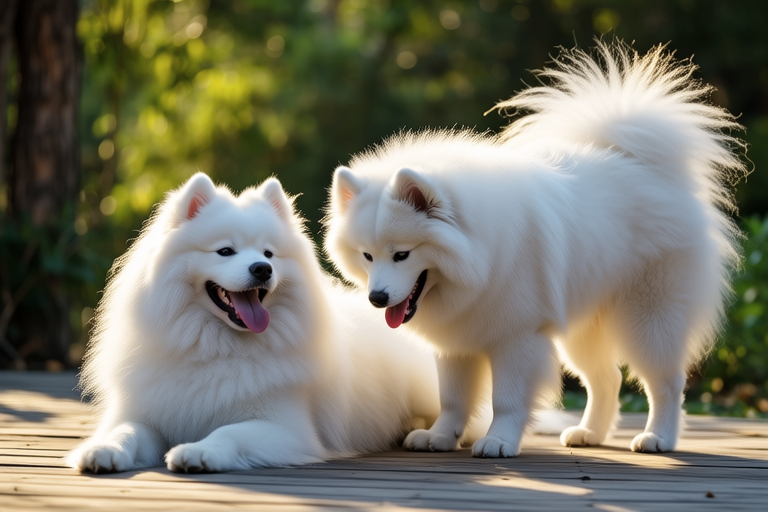
One of the most striking features of the Samoyed is its coat. This breed boasts a dense, fluffy outer layer and a soft, woolly undercoat that provides excellent insulation. The coat’s color ranges from pure white to biscuit, and it requires regular grooming to prevent matting and tangling. Despite their luxurious appearance, Samoyeds shed heavily, especially during spring and fall, so prospective owners should be prepared for frequent brushing and cleaning.
Temperament and Personality
Samoyeds are known for their friendly and outgoing personalities. They are typically gentle, patient, and affectionate with children and other pets, making them excellent family dogs. However, they can also be independent and stubborn at times, which may require consistent training and socialization. Studies have shown that Samoyeds are highly intelligent and trainable, often excelling in obedience trials and agility competitions. Their playful and affectionate nature is evident in their tendency to “smile” by showing their teeth, a behavior that many owners find endearing.
Roles as Working Dogs
Samoyeds have long been valued for their ability to pull sleds and herd reindeer. These tasks required the dogs to be strong, agile, and responsive to commands, qualities that have been passed down through generations. Today, many Samoyeds still enjoy participating in sledding and herding activities, though they are more commonly kept as companion animals. Their history as working dogs has contributed to their energetic and active nature, so owners should provide plenty of opportunities for exercise and mental stimulation.
Care Requirements
Samoyeds require regular grooming to maintain their coats, as well as routine veterinary care to prevent common health issues such as hip dysplasia and progressive retinal atrophy. They also need a balanced diet rich in protein, fat, and essential vitamins and minerals to support their active lifestyles. Owners should consult with a veterinarian to determine the appropriate diet and feeding schedule based on the dog’s age, weight, and activity level.
Health Issues
Despite their robust appearance, Samoyeds are prone to several health problems, including hip dysplasia, progressive retinal atrophy, and hypothyroidism. Regular check-ups with a veterinarian can help catch these conditions early and manage them effectively. Additionally, Samoyeds are susceptible to heatstroke due to their thick coats, so owners should take precautions to keep them cool during hot weather.
Dietary Needs
A balanced diet is crucial for maintaining a Samoyed’s health and vitality. High-quality commercial dog foods formulated for large breeds are generally recommended, but owners may also supplement their dogs’ diets with fresh meat, vegetables, and fruits. It’s important to avoid overfeeding, as obesity can lead to joint problems and other health issues. Regular exercise and playtime can help keep Samoyeds fit and healthy.
Intelligence and Trainability
Samoyeds are highly intelligent and trainable dogs, capable of learning complex commands and tricks with patience and consistency. Positive reinforcement techniques, such as treats and praise, tend to yield the best results. However, their independent nature can sometimes make them challenging to train, so owners should be prepared to invest time and effort into building a strong bond with their dogs. Training sessions should be short and engaging to keep Samoyeds interested and motivated.
Compatibility with Families and Other Pets
Samoyeds are generally good-natured and get along well with people and other animals. They are particularly gentle and patient with children, making them ideal family pets. However, their high energy levels and strong prey drive mean that they may not always get along with small animals like cats or rabbits. Proper socialization and supervision are key to ensuring harmonious interactions between Samoyeds and other pets.
Anecdotes and Studies
Several studies have highlighted the playful and affectionate nature of Samoyeds. For example, a study published in the Journal of Veterinary Behavior found that Samoyeds were among the most playful and sociable breeds, scoring highly in measures of friendliness and engagement. Anecdotal evidence from owners also supports this finding, with many reporting that their Samoyeds are always ready to play and seek out attention from family members. One owner shared a story about her Samoyed, who would follow her everywhere around the house, even into the bathroom, just to stay close.
Advice for Potential Owners
If you’re considering adding a Samoyed to your family, there are several steps you can take to ensure a successful and rewarding experience. First, research reputable breeders and visit their facilities to meet the parents and littermates of your potential puppy. Look for signs of good health, such as clear eyes, clean ears, and a bright coat. Once you bring your new puppy home, start socializing and training immediately to establish boundaries and reinforce positive behaviors. Regular exercise, grooming, and veterinary care will help keep your Samoyed happy and healthy throughout its life.
In conclusion, Samoyeds are delightful and loving dogs with a rich history as working animals. Their fluffy coats, friendly dispositions, and intelligence make them excellent companions for families and individuals alike. By understanding their unique needs and providing proper care, owners can enjoy a lifetime of joy and companionship with their Samoyed.
