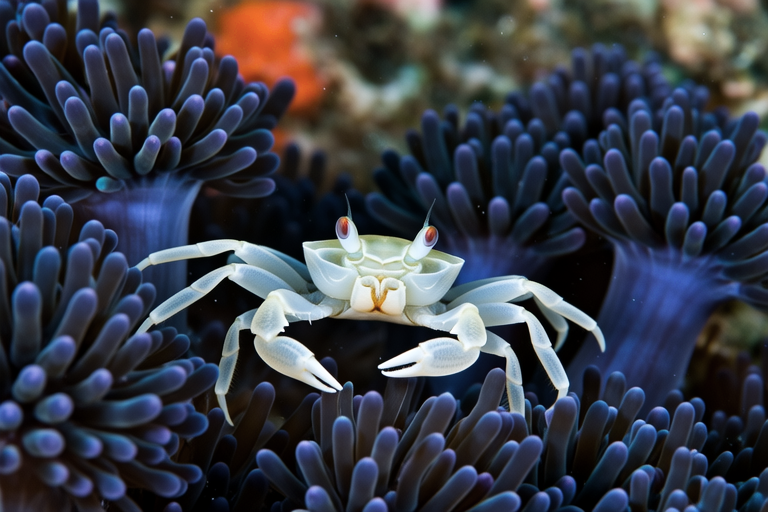
Pea Crabs: Tiny Titans of the Marine World
Pea crabs, despite their diminutive size, play a significant role in the marine ecosystem. These fascinating creatures have a unique life cycle, habitat, and set of adaptations that allow them to thrive in their specific niche. They also form intricate symbiotic relationships with various marine organisms, contributing to the biodiversity and balance of their environment.
The Life Cycle of Pea Crabs
The life cycle of pea crabs is both complex and fascinating. Like most crustaceans, pea crabs go through several stages before reaching adulthood. The journey begins as eggs, which are fertilized externally by males. Once hatched, the larvae enter the planktonic stage, drifting in the ocean currents. During this period, they undergo multiple molts, gradually developing into juvenile crabs. Finally, they settle into their adult form, ready to take on their unique lifestyle.
Habitat and Adaptations
Pea crabs are found in coastal waters around the world, often living within the bodies of other marine animals. Their preferred hosts include bivalves such as oysters, clams, and mussels. These crabs have adapted to live inside the gill chambers of their hosts, where they are protected from predators and can find ample food sources. Their small size allows them to fit snugly within the confines of their host’s shell, while their flattened bodies enable them to move easily between the gills.
Symbiotic Relationships
Pea crabs have developed remarkable symbiotic relationships with their hosts, which are mutually beneficial. While the crabs benefit from protection and a steady supply of food, their hosts also gain from the presence of the crabs. Studies have shown that the presence of pea crabs can enhance the growth rates of their hosts, likely due to the increased water flow around the gills, which improves oxygenation. Additionally, the crabs’ feeding habits may help clean the gills, reducing the risk of infections.
Size and Diet
As their name suggests, pea crabs are incredibly small, typically measuring less than half an inch in length. Despite their tiny stature, they have a voracious appetite. Their diet primarily consists of plankton and detritus, which they filter from the water flowing through their host’s gills. This feeding method not only sustains the crabs but also helps keep the gills clean, benefiting their host organism. The crabs’ ability to thrive in such a confined space and maintain their diet highlights their remarkable adaptability.
Reproduction Methods
The reproductive strategies of pea crabs are equally intriguing. Males and females engage in courtship rituals, which involve elaborate displays and chemical signals. Once a pair has formed, the male transfers sperm to the female, who then carries the fertilized eggs until they hatch. The females often carry their eggs on their abdomens, providing them with protection and nutrients until they are ready to hatch. This reproductive strategy ensures that the next generation of pea crabs will be well-prepared to face the challenges of their environment.
Recent Scientific Discoveries
In recent years, scientists have made several exciting discoveries about pea crabs. One notable finding is that certain species of pea crabs can change color to match the appearance of their host, offering them additional protection from predators. Another discovery is that some species have developed specialized appendages that help them cling more securely to their hosts, preventing them from being washed away by strong currents. These adaptations demonstrate the ongoing evolution and specialization of pea crabs to suit their unique ecological niche.
Conservation Efforts
Despite their importance to marine ecosystems, pea crabs face numerous challenges in their environment. Habitat destruction, pollution, and overfishing of their hosts all pose threats to their survival. Conservationists are working to protect the habitats of pea crabs and their hosts, ensuring that these tiny creatures can continue to thrive. Efforts include establishing marine protected areas, promoting sustainable fishing practices, and raising awareness about the importance of preserving marine biodiversity.
Fascinating Facts About Pea Crabs
- Size Matters: Pea crabs are among the smallest true crabs in the world, making them particularly vulnerable to predators.
- Hidden Lives: These crabs spend most of their lives hidden inside their hosts, rarely venturing out into the open.
- Unique Feeding Habits: Pea crabs are filter feeders, extracting tiny particles of food from the water that flows through their host’s gills.
- Gender Roles: In some species, the male pea crab is significantly smaller than the female, a phenomenon known as sexual dimorphism.
- Global Distribution: Pea crabs can be found in coastal waters across the globe, from the chilly waters of the Arctic to the warm seas of the tropics.
Pea crabs are truly remarkable creatures that play a vital role in maintaining the health and balance of marine ecosystems. Their unique life cycle, habitat, and adaptations, along with their fascinating symbiotic relationships, make them a subject of great interest for marine biologists and nature enthusiasts alike. By understanding and appreciating these tiny titans of the sea, we can work towards protecting them and the diverse world they inhabit.
