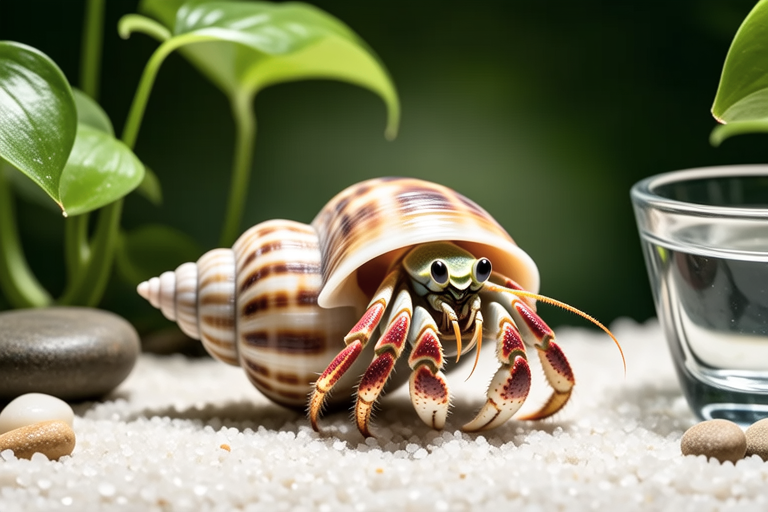
How to Make Your Hermit Crab Happy: Tips and Tricks You Need
Welcome to the world of hermit crabs! These fascinating creatures are not only adorable but also surprisingly easy to care for once you understand their needs. This guide will walk you through everything you need to know to ensure your hermit crab is thriving, from setting up its habitat to recognizing signs of a healthy, happy pet.
Hermit Crab Habitat Setup
The first step to making your hermit crab happy is creating a comfortable home for it. Start by selecting a spacious tank with a minimum capacity of 10 gallons per crab. Ensure the enclosure has a secure lid to prevent escapes. Inside, include a substrate layer of sand or coconut fiber at least three inches deep. This depth allows the crabs to burrow, which is crucial for their well-being. Add a variety of shells for your hermit crab to switch into as they grow, ensuring there are more shells than crabs to avoid competition.
Diet Specifics
Feeding your hermit crab a balanced diet is key to its health. Hermit crabs are omnivorous, meaning they eat both plant and animal matter. Offer them a mix of fresh fruits and vegetables like bananas, apples, carrots, and leafy greens. Rotate their diet weekly to provide a variety of nutrients. Additionally, protein sources such as fish flakes, boiled eggs, or insects can be introduced occasionally. Always wash and dry any food before offering it to your crabs. A shallow dish filled with fresh dechlorinated water should also be available for drinking and soaking.
Appropriate Tank Mates
Hermit crabs are social animals and enjoy the company of others. However, introducing tank mates requires careful consideration. Compatible species include dwarf African mudskippers, small snails, and certain types of shrimp. Avoid aggressive or territorial species that might harm your hermit crab. Introduce new inhabitants gradually and monitor interactions closely to ensure compatibility.
Temperature and Humidity Requirements
Maintaining the right temperature and humidity levels is vital for your hermit crab’s comfort. The ideal temperature range is between 75°F and 85°F (24°C to 29°C). Use a thermostat-controlled heater if necessary to keep the environment warm. Humidity should be kept around 70% to 80%. Regular misting helps maintain this level, but ensure the substrate remains damp rather than wet. Installing a hygrometer to monitor humidity levels is recommended.
Regular Maintenance Tips
To keep your hermit crab’s habitat clean and inviting, perform routine maintenance tasks. Remove uneaten food promptly to prevent spoilage. Clean the water dish daily and replace it with fresh, dechlorinated water. Spot-clean the substrate when needed, removing any waste or debris. Every few months, completely change the substrate and thoroughly clean the tank to eliminate potential pathogens.
Enrichment Activities
Providing mental stimulation is just as important as physical care. Offer toys and structures within the tank, such as tunnels, bridges, and climbing branches. Hide boxes made from cork bark or plastic containers can serve as hiding spots. Rotate these items periodically to keep your hermit crab engaged. Watching them explore their environment can be incredibly rewarding.
Signs of a Healthy, Happy Hermit Crab
A healthy hermit crab exhibits specific behaviors and characteristics. They should be active during the day, exploring their environment and interacting with their surroundings. Their shells should appear clean and undamaged. Hermit crabs often molt, shedding their exoskeleton to grow. During this process, they may retreat into their shell for several weeks. After molting, they emerge looking plump and healthy. Regularly check for signs of illness, such as lethargy, abnormal shell discoloration, or difficulty moving.
In conclusion, providing a nurturing environment for your hermit crab involves understanding its unique needs and responding accordingly. By following these tips and tricks, you’ll create a thriving space where your hermit crab can live happily. Remember, each crab is an individual, so observe their behavior closely and adjust care as needed. Enjoy the journey of caring for these delightful creatures!
