Lop Rabbits Unveiled: Myths, Facts, and Everything In Between
With their distinctive floppy ears and gentle demeanor, lop rabbits have captured the hearts of many pet enthusiasts. These adorable creatures come in various breeds, each with its own set of characteristics that make them stand out. From the compact Netherland Dwarf to the larger French Lop, lop rabbits are known for their charming appearance and friendly nature. This article aims to provide an in-depth look at lop rabbits, dispelling common myths, and offering valuable information on their care, living conditions, diet, and health considerations.
Distinctive Features and Popularity
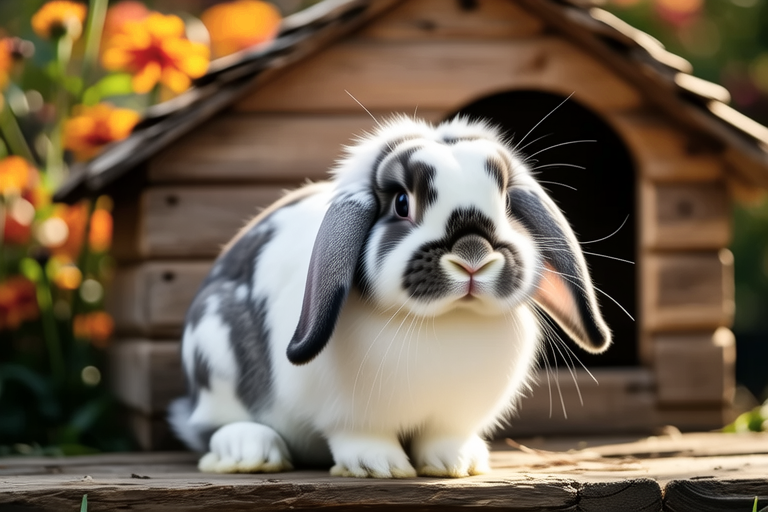
Lop rabbits are distinguished by their long, drooping ears that typically hang down past their faces. Their ears can grow quite large, adding to their endearing appearance. The most popular lop breeds include the French Lop, the Holland Lop, and the English Lop. These breeds vary in size, with the French Lop being one of the largest domesticated rabbit breeds, while the Holland Lop is one of the smallest. Despite their differences in size, all lop breeds share a common trait – their laid-back personalities, making them ideal pets for families and individuals alike.
Common Myths About Lop Rabbits
There are several misconceptions about lop rabbits that need to be addressed:
- Myth: Lop rabbits require less space than other rabbit breeds. While it’s true that lop rabbits are generally calm and content with limited movement, they still need ample space to stretch and exercise. A spacious hutch or indoor living area is essential for their physical and mental well-being.
- Myth: All lop rabbits have the same temperament. Although lop rabbits are known for their gentle nature, individual temperaments can vary. Some may be more social and playful, while others might prefer solitude. It’s important to spend time with your lop rabbit to understand its unique personality.
- Myth: Lop rabbits are low-maintenance pets. While lop rabbits are generally easy to care for, they still require regular grooming, proper nutrition, and routine veterinary check-ups to ensure optimal health.
Care Requirements
Proper care is crucial for keeping your lop rabbit healthy and happy. Here are some key aspects to consider:
Grooming
Lop rabbits have soft, dense fur that requires regular brushing to prevent matting and hairballs. Use a slicker brush or comb to remove loose hair and distribute natural oils throughout the coat. Pay special attention to the areas around the ears and feet, where hair tends to get tangled.
Diet
A balanced diet is vital for maintaining your lop rabbit’s health. Feed them a mix of fresh hay, pellets, and vegetables. Timothy hay is particularly beneficial as it aids digestion and keeps teeth healthy. Fresh vegetables like carrots, spinach, and bell peppers can be offered in moderation. Avoid feeding them too many fruits due to their high sugar content.
Living Conditions
Provide your lop rabbit with a comfortable, safe living environment. An indoor cage or outdoor hutch with adequate ventilation is recommended. The enclosure should be large enough for your rabbit to move around freely and have separate areas for eating, sleeping, and playing. Ensure that the flooring is soft and absorbent to prevent injuries and maintain hygiene.
Health Considerations
Lop rabbits are generally hardy animals, but they can be prone to certain health issues. Regular veterinary check-ups are necessary to catch any problems early. Common health concerns include dental issues, respiratory infections, and skin conditions. Providing a balanced diet, clean living conditions, and regular exercise can help prevent these issues.
Tips for Choosing and Bonding with a Lop Rabbit
Selecting the right lop rabbit and forming a strong bond with it are essential steps in ensuring a rewarding pet ownership experience.
Choosing the Right Lop Rabbit
When selecting a lop rabbit, consider factors such as breed, age, and temperament. Younger rabbits tend to be more energetic and playful, while older ones may be calmer and easier to handle. Spend time interacting with the rabbit before making a decision to gauge its personality and compatibility with your lifestyle.
Bonding with Your Lop Rabbit
Building a strong bond with your lop rabbit takes time and patience. Start by spending time with your rabbit daily, offering treats, and allowing it to become comfortable with your presence. Gradually introduce interactive activities like playing fetch or exploring new environments together. Consistency and positive reinforcement will help strengthen your relationship.
The Unique Personalities of Lop Rabbits
Lop rabbits are known for their affectionate and docile nature. They enjoy human interaction and often form close bonds with their owners. Their calm demeanor makes them excellent companions for children and adults alike. Each lop rabbit has its own unique personality, ranging from playful and adventurous to quiet and reserved. Understanding and respecting these individual traits will enhance the bond between you and your pet.
In conclusion, lop rabbits are delightful pets that bring joy and companionship to their owners. By providing proper care, creating a suitable living environment, and fostering a strong bond, you can ensure that your lop rabbit leads a healthy and fulfilling life. With their endearing appearance and gentle nature, lop rabbits make wonderful additions to any household. Whether you’re a seasoned rabbit owner or considering adopting your first pet, lop rabbits offer a rewarding and enriching experience.
