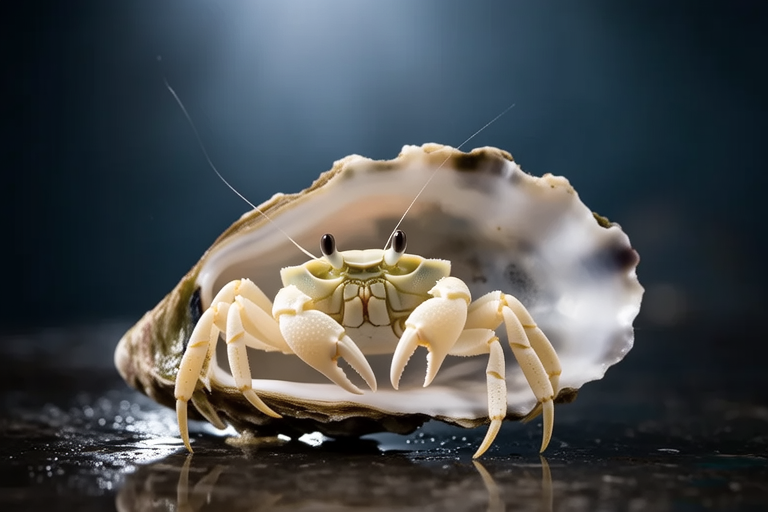
Pea Crabs: Tiny Guardians of Marine Ecosystems
Welcome to the fascinating world of pea crabs! These petite crustaceans, known scientifically as Pinnotheridae, are some of the most intriguing inhabitants of our oceans. Despite their diminutive size, pea crabs play a crucial role in marine ecosystems, showcasing a unique symbiotic relationship with various sea creatures. This article will explore their size, habitat, diet, and coexistence within their hosts. We’ll also delve into their lifecycle, recent scientific discoveries, and why understanding these tiny guardians is vital for ocean conservation.
A World of Symbiosis
Pea crabs are best known for their remarkable symbiotic relationships with other marine organisms. They live inside the bodies of bivalves such as mussels and oysters, and even sea cucumbers. The crabs benefit from protection and a steady food supply, while their hosts receive cleaning services and nutrients. This mutually beneficial arrangement has evolved over millions of years, making pea crabs one of nature’s most successful examples of symbiosis.
The Pea Crab Life Cycle
The life cycle of pea crabs begins when female crabs release their eggs into the water. After hatching, the larvae drift through the ocean currents, feeding on plankton until they find suitable hosts. Once inside, they undergo metamorphosis, transforming into adults. Male crabs often remain with the same host for life, while females may leave to find new hosts after mating.
Habitat and Diet
Pea crabs can be found in coastal waters around the globe, from shallow estuaries to deeper offshore environments. Their preferred habitats include rocky shores, sandy beaches, and areas rich in seagrass. These adaptable creatures thrive in diverse ecosystems, contributing to the overall health of marine environments.
When it comes to diet, pea crabs are opportunistic feeders. They consume detritus, algae, and small organisms that enter their hosts’ gills or filter-feeding mechanisms. In return, they help clean their hosts by removing debris and parasites, promoting better respiratory function and overall health.
Coexistence with Hosts
The relationship between pea crabs and their hosts is intricate and delicate. Mussels and other bivalves provide a safe haven for the crabs, offering protection from predators and harsh environmental conditions. In exchange, pea crabs assist their hosts by keeping them clean and free from harmful substances.
In addition to mussels and oysters, pea crabs have been observed living inside sea cucumbers. This unique partnership showcases the versatility and adaptability of these tiny crustaceans. By residing within different hosts, pea crabs demonstrate their ability to thrive in various marine environments.
Recent Scientific Discoveries
Recent studies have uncovered fascinating details about pea crabs, including their genetic makeup and evolutionary history. Researchers have found that pea crabs possess a unique set of genes that allow them to thrive in symbiotic relationships. Understanding these genetic adaptations could provide valuable insights into the evolution of symbiosis and its importance in marine ecosystems.
Another exciting discovery involves the potential use of pea crabs as bioindicators of environmental health. By monitoring the presence and abundance of pea crabs in different areas, scientists can assess the overall condition of marine ecosystems and identify areas in need of conservation efforts.
The Role of Pea Crabs in Marine Ecosystems
Pea crabs play a vital role in maintaining the balance of marine ecosystems. Their symbiotic relationships with bivalves and other organisms contribute to the overall health and productivity of these environments. By promoting cleaner hosts and facilitating nutrient cycling, pea crabs help sustain diverse and thriving marine communities.
Moreover, pea crabs serve as indicators of environmental change. As sensitive organisms, they respond quickly to shifts in temperature, salinity, and other environmental factors. Monitoring their populations can provide early warnings of potential threats to marine ecosystems, allowing for timely conservation actions.
Conservation and Future Research
Understanding pea crabs is essential for effective ocean conservation. By studying these tiny crustaceans, researchers can gain valuable insights into the functioning of marine ecosystems and develop strategies to protect them. Conservation efforts should focus on preserving the habitats of pea crabs and their hosts, ensuring the continued health and diversity of marine environments.
Future research should aim to expand our knowledge of pea crabs and their symbiotic relationships. Scientists should investigate the genetic adaptations that enable pea crabs to thrive in various hosts and explore the potential use of these crustaceans as bioindicators. By doing so, we can better understand the complexities of marine ecosystems and work towards their preservation.
Conclusion
Pea crabs are more than just tiny crustaceans; they are vital components of marine ecosystems. Their unique symbiotic relationships with bivalves and other organisms highlight the interconnectedness of life in the ocean. By studying pea crabs, we can gain valuable insights into the functioning of marine ecosystems and develop effective conservation strategies. Understanding these tiny guardians is crucial for protecting the health and diversity of our oceans, ensuring a sustainable future for all marine life.
