How Parrot Fish Are Shaping Coral Reefs
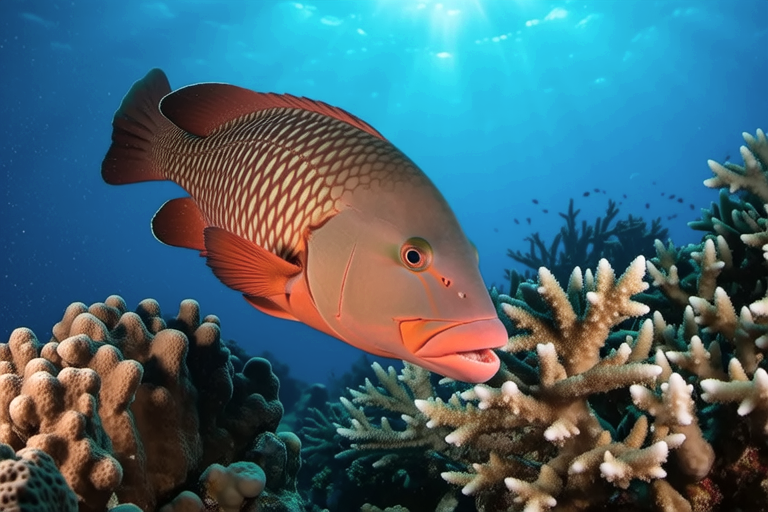
Parrot fish, with their vibrant colors and distinctive beak-like mouths, are among the most recognizable inhabitants of coral reefs. These fish play a crucial role in marine ecosystems, contributing significantly to the health and stability of coral reefs. Their unique feeding habits and biological processes are integral to the maintenance of reef structures and biodiversity. This article explores the fascinating world of parrot fish, detailing their impact on coral reefs and the broader implications of their presence or absence.
The Role of Parrot Fish in Marine Ecosystems
Parrot fish are found primarily in tropical and subtropical waters, where they thrive in the complex environments of coral reefs. These fish are known for their diverse diet, which includes a variety of algae and coral polyps. Their feeding habits are not only essential for their survival but also for the ecological balance of the reef ecosystem. By consuming algae and small pieces of coral, parrot fish help control the growth of algae, preventing it from overgrowing and potentially smothering the corals. This activity ensures that coral reefs remain healthy and vibrant.
Unique Eating Habits: Consuming Coral and Algae
One of the most intriguing aspects of parrot fish is their feeding mechanism. Using their strong beaks, they scrape away at the surface of coral reefs, removing algae and other organic matter. This behavior is particularly beneficial for the coral itself, as excessive algae growth can inhibit the coral’s ability to photosynthesize. The fish then grind up the coral and algae into a fine paste within their pharyngeal mill, a specialized structure in their throat that acts like a gizzard. This process allows them to digest the nutrients while leaving behind the indigestible calcium carbonate, which they expel as sand.
The excretion process of parrot fish is remarkable. As they defecate, the finely ground coral particles mix with other organic materials and form what we know as sand. In some regions, the contribution of parrot fish to the formation of sand can be significant. For instance, it is estimated that a single large parrot fish can produce up to 90 kilograms of sand per year. This sand not only enriches beaches but also plays a crucial role in the sedimentation processes that contribute to the growth and stabilization of coral reefs.
Symbiotic Relationship Between Parrot Fish and Coral Reefs
The relationship between parrot fish and coral reefs is symbiotic, meaning both parties benefit from their interaction. Parrot fish rely on the coral reefs for shelter and food, while the reefs benefit from the fish’s grazing activities. By controlling algae growth, parrot fish promote the health of coral colonies, allowing them to grow and reproduce more effectively. Additionally, the constant movement and scraping of the fish contribute to the overall diversity and resilience of the reef ecosystem.
Healthy coral reefs support a vast array of marine life, from tiny plankton to large predators. The biodiversity fostered by this symbiosis is vital for the ecological balance of the oceans. Parrot fish, through their grazing activities, ensure that the reef remains a thriving habitat for countless species, enhancing the overall productivity and resilience of the marine environment.
Threats to Parrot Fish Populations and Their Effects on Coral Reefs
Despite their critical role, parrot fish populations face numerous threats, including overfishing, habitat destruction, and climate change. Overfishing poses one of the most immediate dangers, as many species of parrot fish are highly sought after for their meat and vibrant colors. The demand for these fish has led to unsustainable fishing practices, depleting their numbers in certain areas. Habitat destruction, such as the damage caused by coastal development and pollution, further exacerbates the problem.
Climate change, with its associated phenomena like ocean acidification and increased water temperatures, also impacts parrot fish. Warmer waters can lead to coral bleaching, reducing the availability of food for parrot fish. Ocean acidification, on the other hand, can weaken the structural integrity of coral reefs, making them less hospitable for the fish. These combined factors can lead to a decline in parrot fish populations, which in turn affects the health of coral reefs. Without the fish to control algae growth and maintain the reef structure, coral reefs become more susceptible to disease and degradation.
Conservation Efforts and the Importance of Protecting Parrot Fish
Recognizing the importance of parrot fish for coral reef health, various conservation efforts are underway to protect these vital species. Marine protected areas (MPAs) have been established in many regions to safeguard parrot fish and their habitats. These protected zones restrict fishing activities, allowing fish populations to recover and flourish. Additionally, sustainable fishing practices, such as size limits and catch quotas, are being implemented to prevent overexploitation.
Education and awareness campaigns are also crucial components of these conservation efforts. By informing the public about the role of parrot fish in maintaining coral reefs, these initiatives aim to foster a greater appreciation for marine biodiversity. Engaging local communities in conservation projects can lead to more effective protection strategies, ensuring that future generations can enjoy the beauty and ecological richness of coral reefs.
The importance of protecting parrot fish cannot be overstated. Their presence is essential for the health and sustainability of coral reefs, which provide critical services such as coastal protection, carbon sequestration, and recreational opportunities. By preserving parrot fish populations, we not only safeguard these vibrant ecosystems but also contribute to the broader goal of marine conservation.
Conclusion
In conclusion, parrot fish play a pivotal role in shaping coral reefs, influencing their health and biodiversity. Through their unique feeding habits and symbiotic relationship with coral, these fish contribute significantly to the maintenance of reef ecosystems. However, threats such as overfishing, habitat destruction, and climate change pose serious challenges to their survival. By supporting conservation efforts and promoting sustainable practices, we can help ensure the continued existence of parrot fish and the vibrant coral reefs they call home. Understanding and appreciating the intricate relationships within marine ecosystems is key to preserving the delicate balance that sustains our oceans.
