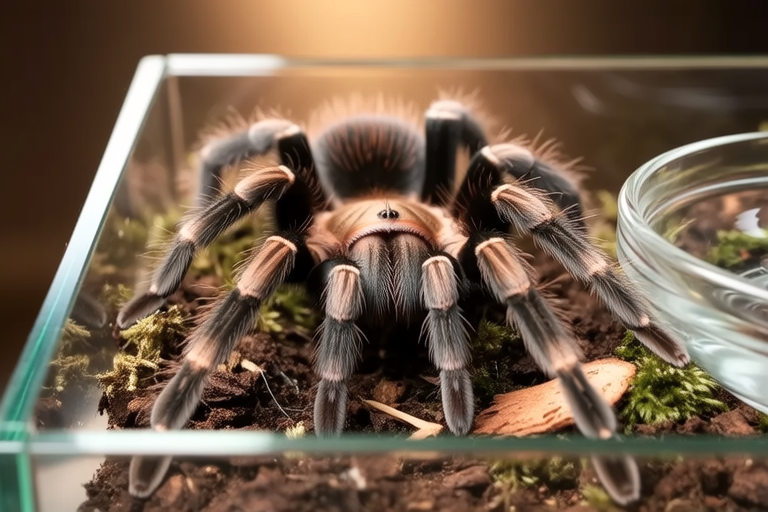
The Ultimate Chilean Rose Tarantula Setup: Tips and Tricks for Happy Arachnids
Welcome to the world of keeping Chilean rose tarantulas as pets! These fascinating arachnids are popular among both novice and seasoned spider enthusiasts due to their docile nature and striking appearance. In this comprehensive guide, we’ll walk you through everything you need to know to set up an ideal habitat for your Chilean rose tarantula, ensuring it thrives in captivity.
Habitat Setup
Creating a suitable environment is crucial for the health and happiness of your Chilean rose tarantula. Start by selecting a terrarium that provides ample space for your pet to move around comfortably. A good rule of thumb is to have at least five gallons of space per inch of tarantula leg span. For an adult Chilean rose, which can grow up to six inches, a ten-gallon tank would be sufficient.
Ensure the enclosure has proper ventilation but no gaps large enough for your tarantula to escape. Use a secure lid with ventilation holes to keep your pet safe while allowing air circulation. Avoid placing the terrarium near direct sunlight or heat sources to prevent overheating.
Temperature and Humidity Requirements
Maintaining optimal temperature and humidity levels is key to keeping your Chilean rose tarantula healthy. Ideal temperatures range between 78°F and 85°F (26°C to 29°C). You can achieve this by using under-tank heating pads or ceramic heat emitters. Always monitor the temperature with a reliable thermometer placed inside the enclosure.
Humidity should be kept at approximately 50-70%. This mimics the dry conditions found in their natural habitat. To maintain humidity, provide a water dish and mist the enclosure lightly once or twice a week. Ensure the substrate remains damp but not soggy to prevent mold growth.
Appropriate Substrate Types
Selecting the right substrate is vital for creating a comfortable living environment. Coconut fiber, cypress mulch, and eco-earth are excellent choices as they retain moisture well without becoming too wet. Avoid substrates like sand or gravel, which can cause impaction if ingested by your tarantula.
Layer the substrate about four inches deep to allow burrowing and digging behavior. Keep one side of the enclosure slightly drier than the other to give your tarantula options based on its preferences.
Feeding Guidelines
Chilean rose tarantulas are carnivorous and require a diet rich in protein. Feed them appropriately sized insects such as crickets, mealworms, and dubia roaches. Juvenile tarantulas may eat smaller prey items more frequently, while adults can be fed every two weeks.
To ensure proper nutrition, gut-load feeder insects with nutritious food before offering them to your tarantula. Remove uneaten prey after 24 hours to prevent potential harm to your pet.
Enclosure Size Recommendations
As mentioned earlier, an adult Chilean rose tarantula requires a minimum of ten gallons of space. However, larger enclosures offer more opportunities for exercise and exploration, promoting better overall health. If you plan to house multiple tarantulas, always provide separate enclosures to avoid stress and potential aggression.
Lighting Needs
Chilean rose tarantulas do not require UVB lighting since they are nocturnal creatures. Instead, provide a dim light source during the day to simulate a natural day-night cycle. This helps regulate their circadian rhythms and promotes healthy behavior patterns. Avoid using bright lights that could overheat the enclosure.
Safety Precautions for Handling
Handling your Chilean rose tarantula should be done cautiously and infrequently. They are generally docile but can become defensive if provoked or mishandled. Always wash your hands before and after handling to remove any potential irritants.
When picking up your tarantula, gently place your hand flat on top of it and slowly lift. Support its body fully to prevent injury. Never grab or squeeze your tarantula, as this can lead to stress or even death.
Common Health Issues to Watch For
Regular monitoring is essential to catch any potential health issues early. Look out for signs of dehydration, such as sunken eyes or lack of activity. Overhydration can also occur if the substrate becomes too wet, leading to respiratory problems.
Molting is a natural process where tarantulas shed their exoskeleton. During this time, they become vulnerable and should not be disturbed. Provide extra humidity and avoid handling until the molt is complete and the new exoskeleton hardens.
If you notice unusual behavior, loss of appetite, or physical abnormalities, consult a veterinarian specializing in exotic animals for professional advice.
Conclusion
By following these guidelines, you’ll create a thriving home for your Chilean rose tarantula. Remember that each tarantula is unique, so pay close attention to your pet’s specific needs and preferences. With proper care and attention, your Chilean rose tarantula will lead a long, healthy life in its new home.
