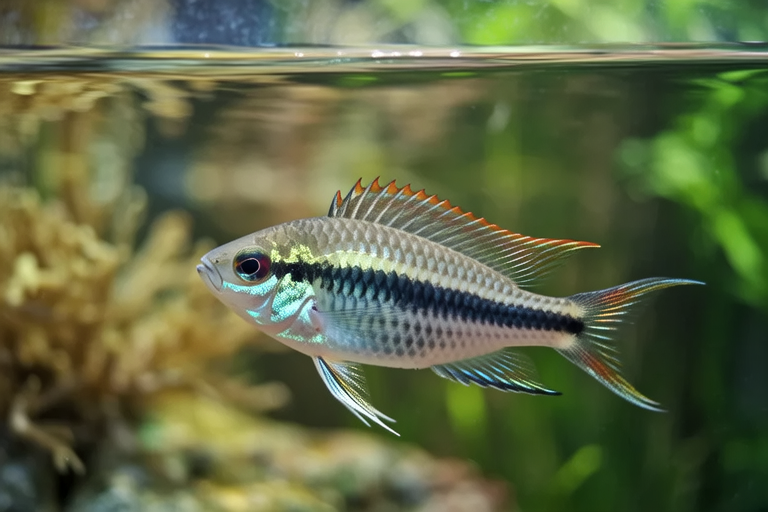
From Ocean to Aquarium: Caring for Your Pet Parrot Fish
The vibrant and diverse world of parrot fish species is a marvel of ocean ecosystems. Found in tropical and subtropical waters, these colorful creatures play a significant role in marine environments. Their unique name stems from their beak-like mouths, which they use to crush coral and algae. Parrot fish come in various shapes and sizes, with over 90 recognized species, each contributing to the rich biodiversity of reefs.
Transitioning from Wild Habitats to Aquariums
Bringing a parrot fish from its natural habitat to an aquarium requires careful planning. The transition involves several critical steps, including selecting the right tank size, ensuring optimal water conditions, and setting up appropriate filtration systems.
For a single adult parrot fish, a minimum tank size of 125 gallons is recommended. Larger tanks provide ample space for swimming and reduce stress. A well-planned aquarium setup includes hiding spots, such as caves or rocky structures, to mimic their natural reef environment.
Water conditions are paramount for the health of your parrot fish. They prefer a temperature range between 74°F and 82°F, a pH level of 8.1 to 8.4, and a specific gravity of 1.020 to 1.025. Regular testing of these parameters ensures a stable environment. Proper filtration is essential; biological, mechanical, and chemical filtration methods work together to maintain water quality.
Dietary Needs and Feeding Habits
Parrot fish are omnivorous, consuming a variety of foods in their natural habitat. In captivity, their diet should include a balanced mix of plant matter and protein. High-quality flake foods, pellets, and spirulina-based foods form the base of their diet. Supplementing with fresh vegetables like spinach, kale, and nori provides necessary nutrients.
Feeding habits vary among individuals, but generally, they eat multiple times a day. Offering small portions prevents overfeeding and reduces the risk of water pollution. Watching your fish eat can also be a rewarding experience, showcasing their unique feeding behaviors.
Maintaining Health and Preventing Diseases
Regular monitoring and maintenance are key to keeping your parrot fish healthy. Common signs of illness include lethargy, loss of appetite, abnormal swimming patterns, and physical changes like discoloration or lesions.
To prevent diseases, quarantine new additions before introducing them to the main tank. Maintaining pristine water conditions through regular water changes and effective filtration minimizes the risk of infections. Quarantine tanks equipped with heaters, filters, and appropriate lighting provide a controlled environment for observation and treatment if necessary.
Social Behavior and Compatibility
Parrot fish are generally peaceful and can coexist with other non-aggressive species. However, their territorial nature may lead to conflicts, especially during feeding times. It’s advisable to introduce compatible tank mates gradually and monitor interactions closely.
Providing ample space and hiding spots within the tank helps reduce aggression. Compatible species include tangs, wrasses, and some angelfish. Avoid housing parrot fish with aggressive or fin-nipping species, as this can lead to stress and injury.
Enriching Their Environment
Creating a stimulating environment enhances the well-being of your parrot fish. Incorporating live rock and corals offers hiding places and promotes a more natural habitat. Live plants also contribute to water quality and provide additional food sources.
Introducing enrichment activities, such as floating objects or puzzle feeders, encourages exploration and mental engagement. Regularly rearranging tank decorations keeps the environment dynamic and prevents boredom.
Long-Term Care and Responsibilities
Owning a pet parrot fish is a long-term commitment that requires ongoing care and attention. Regular water testing, tank cleaning, and maintenance ensure a healthy living environment. Providing a balanced diet and monitoring health are essential for longevity.
As responsible pet owners, it’s important to educate ourselves about the specific needs of our aquatic companions. Joining local aquarium clubs or online forums can provide valuable support and resources. Remember, the joy of watching these magnificent creatures thrive in our homes is a testament to the dedication and effort we put into their care.
