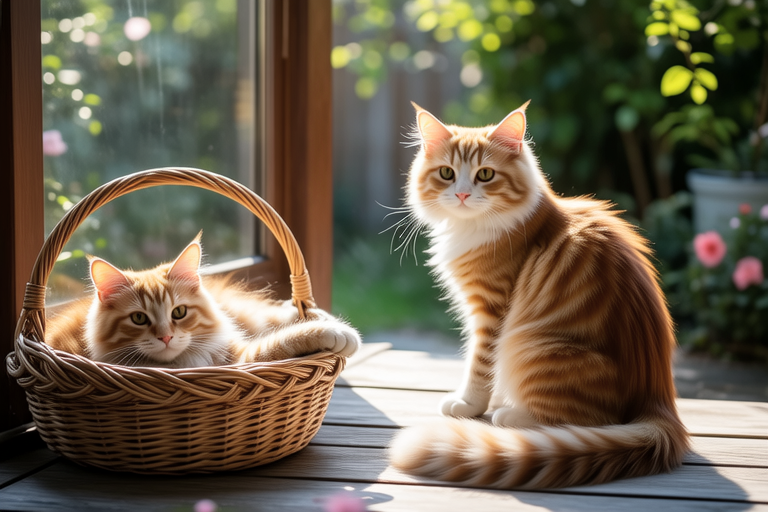
Orange Cats Unveiled: Secrets and Stories from a Sunny Pet
Welcome to the world of orange cats, where sunny dispositions meet playful personalities. These feline friends are more than just a splash of color; they’re bundles of joy that can brighten any home. Let’s dive into the fascinating world of these adorable creatures, exploring their unique traits, health peculiarities, and popular myths. We’ll also share some heartwarming stories to help you understand what it truly means to have an orange cat as part of your family.
A Glimpse into the World of Orange Cats
Orange cats, also known as ginger or marmalade cats, come in various shades, from light cream to deep copper. They are often associated with a striking tabby pattern, but not always. What makes them stand out is their vibrant coat color, which is due to a recessive gene. Interestingly, only about 15-30% of all cats worldwide are orange, making them a rare treat for cat lovers.
The Gentle Giants of the Feline World
Orange cats are often described as gentle giants, not because of their size, but due to their calm and affectionate nature. They tend to be very social and enjoy spending time with their human companions. Many orange cats are known for their loyalty and bond strongly with their families. They are typically good with children and other pets, making them ideal for households with multiple occupants.
One of the most endearing qualities of orange cats is their playful spirit. They love to engage in interactive play, whether it’s chasing a laser pointer or batting at toys. Their energy levels can vary, but generally, they are quite active during the day and prefer to relax in the evening. This makes them perfect for families who enjoy an energetic yet loving pet.
Health Peculiarities and Myths
While orange cats are generally healthy, there are a few health concerns that are more prevalent in this group. One such issue is a higher incidence of diabetes. This is thought to be linked to their genetic makeup and can be managed with proper diet and exercise. Another common concern is a sensitivity to certain medications. It’s important for owners to consult with their veterinarian before administering any new treatments.
There are several myths surrounding orange cats that are worth debunking. One popular myth is that all orange cats are male. While it’s true that the majority of orange cats are indeed male, females can also sport this stunning coat color. Another misconception is that orange cats are less intelligent than other cats. This couldn’t be further from the truth. Orange cats are just as smart and trainable as any other breed.
Heartwarming Stories and Anecdotes
Meet Whiskers, a beloved orange cat who has been a fixture in his neighborhood for years. Known for his friendly demeanor, Whiskers is always ready to greet visitors with a purr and a headbutt. His owner, Sarah, shares how Whiskers has brought joy to her life and helped her through tough times. “He’s my best friend,” she says. “Whenever I’m feeling down, he knows exactly how to cheer me up.”
Another story comes from a local animal shelter where an orange kitten named Sunny found a forever home. Sunny was initially shy and reserved but quickly blossomed under the care of his foster family. Today, Sunny is a confident and outgoing cat who brings laughter and warmth to his new home. These stories highlight the incredible impact that orange cats can have on our lives.
Care Tips for Your Orange Cat
Proper care is essential to ensure your orange cat leads a long and healthy life. Here are some tips to help you provide the best possible care for your feline friend:
- Dietary Needs: Orange cats require a balanced diet rich in protein and low in carbohydrates. It’s important to choose high-quality cat food that meets their nutritional needs. Consult with your veterinarian to determine the best diet for your cat based on age, weight, and activity level.
- Grooming Routines: Regular grooming is crucial for maintaining your orange cat’s coat and skin health. Brushing your cat at least once a week helps remove loose fur and prevents matting. Additionally, regular nail trimming and dental care are essential for overall health.
- Common Health Issues: Keep an eye out for signs of illness such as changes in appetite, behavior, or litter box habits. Early detection and treatment of health issues can make a significant difference in your cat’s well-being. Regular veterinary check-ups are vital for monitoring your cat’s health.
Creating a Happy Home for Your Orange Cat
Providing a safe and comfortable environment for your orange cat is key to their happiness. Make sure your home is cat-friendly by securing windows and providing plenty of vertical space for climbing and perching. Interactive toys and scratching posts can help keep your cat entertained and engaged. Establish a routine for feeding, playtime, and cuddle sessions to create a predictable and comforting environment.
Conclusion
Orange cats bring a unique blend of charm, intelligence, and affection to any household. By understanding their special needs and characteristics, you can ensure that your orange cat thrives and brings endless joy to your life. Whether you’re a seasoned cat owner or considering adopting your first feline friend, orange cats offer a rewarding companionship that will leave you smiling.
