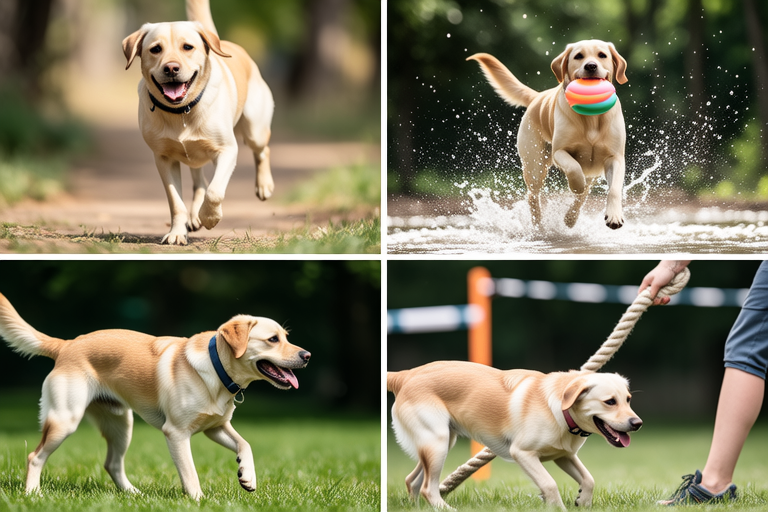
5 Creative Ways to Exercise Your Labrador for a Happier Pet
Welcome to our guide on how to keep your Labrador happy and healthy through creative exercise routines. Labradors are known for their high energy levels and intelligence, making them perfect candidates for engaging activities that stimulate both their minds and bodies. In this article, we’ll explore five innovative ways to exercise your Labrador, backed by scientific research, and provide step-by-step instructions tailored specifically for these delightful dogs.
Why Exercise Is Crucial for Labradors
Labradors are an active breed that requires regular physical activity to maintain good health. According to studies conducted by veterinary experts, lack of exercise can lead to obesity, joint problems, and behavioral issues such as excessive barking or chewing. Regular exercise helps prevent these conditions while promoting overall well-being.
Physical Benefits
- Weight Management: Exercise burns calories and helps maintain a healthy weight, reducing the risk of obesity-related diseases.
- Muscle Strength: Physical activity strengthens muscles, improving mobility and preventing injuries.
- Joint Health: Regular movement keeps joints flexible and reduces the likelihood of arthritis.
Mental Benefits
- Stress Reduction: Exercise releases endorphins, which act as natural mood lifters.
- Behavioral Improvement: Mental stimulation from various activities can reduce destructive behaviors caused by boredom.
- Increased Focus: Engaging in challenging tasks enhances concentration and problem-solving skills.
Exercise Idea 1: Agility Training
Agility training is a fantastic way to challenge your Labrador’s physical abilities while providing mental stimulation. This sport involves navigating obstacles like jumps, tunnels, and weave poles under controlled conditions.
Step-by-Step Instructions
- Select Appropriate Equipment: Choose lightweight, durable materials suitable for your Labrador’s size and weight. Ensure all surfaces are non-slip to prevent accidents.
- Start Slowly: Begin with basic obstacles such as small jumps and gentle slopes. Gradually increase difficulty as your Labrador becomes more confident.
- Use Positive Reinforcement: Reward correct responses with treats or praise. Avoid punishment; instead, redirect attention towards desired behaviors.
- Incorporate Games: Turn training sessions into fun games by hiding treats around the course or setting up relay races between you and your dog.
Benefits
- Improved Coordination: Navigating complex courses enhances balance and agility.
- Enhanced Bonding: Spending quality time together strengthens the bond between owner and pet.
- Mental Stimulation: Learning new skills engages the brain, preventing boredom-induced mischief.
Exercise Idea 2: Swimming
Swimming offers a low-impact alternative to traditional land-based exercises, ideal for Labradors prone to joint issues. It provides excellent cardiovascular conditioning without putting undue stress on bones and joints.
Step-by-Step Instructions
- Choose a Safe Location: Select a calm body of water free from strong currents or sharp objects. Pools, lakes, or designated dog beaches are good options.
- Introduce Gradually: Start by letting your Labrador paddle alongside you before encouraging deeper dives. Always supervise during initial sessions.
- Teach Basic Commands: Train your Labrador to respond to commands like ‘come’ and ‘stay’ in water environments. This ensures safety during unsupervised swims.
- Make It Fun: Incorporate toys into swimming sessions to turn them into playful adventures rather than just workouts.
Benefits
- Cardiovascular Fitness: Swimming improves heart health and endurance.
- Muscle Tone: Water resistance builds muscle strength without joint strain.
- Breathing Exercises: Holding breath underwater mimics deep breathing techniques beneficial for respiratory function.
Exercise Idea 3: Puzzle Feeding
Puzzle feeding stimulates your Labrador’s mind by requiring them to solve simple puzzles to access food rewards. This activity promotes cognitive development and reduces anxiety associated with mealtime competition.
Step-by-Step Instructions
- Choose Suitable Toys: Opt for interactive feeders designed for dogs, ensuring they are appropriate for your Labrador’s size and skill level.
- Begin with Easy Levels: Introduce basic puzzles first so your Labrador understands the concept. Progress to more challenging designs over time.
- Supervise Initial Attempts: Be present during early attempts to offer guidance if needed. Encourage success with verbal encouragement.
- Vary Difficulty: Rotate different types of puzzles to keep interest high and promote continuous learning.
Benefits
- Cognitive Engagement: Solving puzzles exercises the brain, enhancing memory and problem-solving abilities.
- Reduced Anxiety: The anticipation of receiving food through effort reduces competitive eating behavior among multiple pets.
- Mealtime Enjoyment: Turning feeding into a game adds excitement to mealtimes, increasing appetite and digestion efficiency.
Exercise Idea 4: Fetch Variations
Fetch is one of the most popular games played with Labradors due to its simplicity and versatility. By introducing variations, you can keep this classic activity fresh and exciting.
Step-by-Step Instructions
- Try Different Objects: Experiment with balls, frisbees, sticks, or even soft toys to find what excites your Labrador most.
- Change Directions: Vary throwing angles to encourage running in different directions, targeting various muscle groups.
- Incorporate Distance Challenges: Gradually increase distances between you and your Labrador, rewarding successful retrieves with extra playtime.
- Add Obstacles: Place cones or other safe barriers along the path to create a mini-obstacle course, adding complexity and fun.
Benefits
- Cardiovascular Health: Running after thrown items increases heart rate, improving circulation.
- Muscle Development: Sprints and turns strengthen leg muscles and improve coordination.
- Positive Reinforcement: The reward system inherent in fetch reinforces positive behaviors, fostering better communication between owner and pet.
Exercise Idea 5: Group Play Sessions
Group play allows your Labrador to socialize with other dogs, fostering friendships and reducing loneliness. These interactions also offer opportunities for controlled exercise within a structured environment.
Step-by-Step Instructions
- Find Local Meetups: Search online communities or ask at local parks about organized meetups where you can bring your Labrador.
- Observe Behavior: Before fully integrating, observe your Labrador interacting with others to ensure compatibility. Separate if signs of aggression appear.
- Establish Rules: Set boundaries regarding acceptable behaviors during playtime, reinforcing them consistently across sessions.
- Rotate Partners: Allow your Labrador to interact with different companions regularly to expand social circles.
Benefits
- Social Skills: Interacting with peers teaches important lessons about sharing, cooperation, and conflict resolution.
- Emotional Wellbeing: Positive experiences with other animals alleviate feelings of isolation, contributing to overall happiness.
- Safe Environment: Supervised group settings minimize risks associated with unstructured play, ensuring everyone remains safe.
Tips for Integrating Exercises into Daily Routine
To maximize the benefits of these activities, consider incorporating them into a balanced daily routine. Here are some practical suggestions:
- Consistency: Schedule specific times each day dedicated solely to exercising your Labrador.
- Diversity: Alternate between different types of exercises to avoid monotony and target various aspects of fitness.
- Gradual Progression: Increase intensity gradually based on your Labrador’s response and comfort level.
- Weather Considerations: Adjust outdoor activities according to weather conditions, opting for indoor alternatives when necessary.
- Health Monitoring: Regular vet check-ups help monitor your Labrador’s progress and address any emerging concerns promptly.
By following these guidelines and dedicating time to your Labrador’s wellbeing, you will contribute significantly to their longevity and joy. Remember, a well-exercised Labrador is not only physically fit but also mentally stimulated, leading to a happier, healthier companion.
