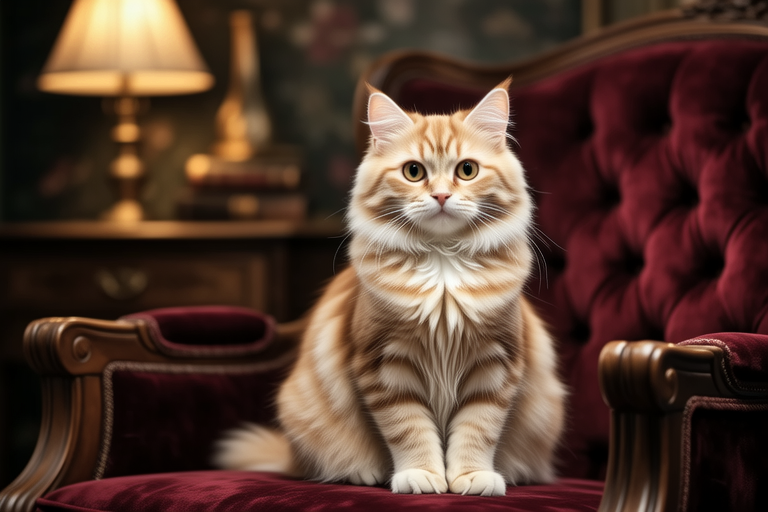
From Royalty to Companion: The Allure of Golden British Shorthair Cats
In the realm of feline elegance, few breeds can match the grace and charm of the Golden British Shorthair. With roots deeply embedded in British history, these majestic creatures have long been associated with nobility and royalty. This article delves into the rich heritage, physical attributes, and enduring appeal of the Golden British Shorthair, offering valuable insights for potential owners and cat enthusiasts alike.
A Royal Heritage
The British Shorthair, of which the Golden variant is a subset, has been a part of British culture for centuries. Their presence in the homes of the aristocracy dates back to the Victorian era, when they were often seen as status symbols. The breed’s history is intertwined with the British monarchy itself. It is said that Queen Victoria, a renowned animal lover, kept several British Shorthairs at her residences. This royal patronage helped solidify the breed’s reputation as a symbol of elegance and refinement.
Their association with nobility extends beyond mere companionship. These cats were often given as gifts between monarchs and dignitaries, further cementing their role as cherished symbols of wealth and prestige. The Golden British Shorthair, with its distinctive golden coat, was particularly favored for its striking appearance, making it a standout among other breeds.
Physical Characteristics
The Golden British Shorthair is easily recognizable by its plush, short coat, which ranges from a soft cream to a deep honey gold. This luxurious fur is one of the breed’s most defining features, giving them a regal appearance that belies their gentle nature. Their large, round eyes, typically a deep blue or green, add to their serene and captivating gaze. The breed is known for its robust build, with a broad chest and sturdy limbs, reflecting their heritage as a strong and resilient feline.
Beyond their striking looks, Golden British Shorthairs are known for their calm and affectionate temperament. They are generally easygoing and patient, making them excellent companions for families with children or other pets. Their playful yet composed demeanor ensures that they fit well into various household settings, whether urban or rural. Despite their independent streak, these cats are highly social and enjoy spending time with their human companions.
The Transition to Companions
As societal norms evolved, so did the role of the Golden British Shorthair. Once confined to the palaces and estates of the elite, these cats gradually found their way into the hearts of ordinary families. The democratization of pet ownership in the 20th century saw a shift in the perception of cats, moving away from symbols of luxury to cherished family members. Today, the Golden British Shorthair is a beloved companion in many households, appreciated for its loyalty and affection.
This transition from nobility to commonality has not diminished the breed’s allure. In fact, it has only served to enhance their popularity. Their gentle nature and adaptability make them ideal pets for a wide range of living environments, from cozy apartments to spacious homes. Their intelligence and curiosity also mean they are always ready for new experiences and challenges, ensuring that life with a Golden British Shorthair is never dull.
Grooming Needs and Health Considerations
While their plush coats are a hallmark of the Golden British Shorthair, maintaining this beauty requires some effort. Regular grooming is essential to keep their fur healthy and free from mats. Weekly brushing helps remove loose hair and stimulates the skin, promoting a shiny coat. Occasional baths may be necessary, but care should be taken to avoid over-bathing, which can strip the natural oils from their skin.
Health-wise, the Golden British Shorthair is generally a robust breed, but like all cats, they are prone to certain conditions. Regular veterinary check-ups are crucial to monitor their overall health and address any issues early. Some common concerns include dental disease and obesity, both of which can be managed through proper diet and exercise. A balanced diet rich in nutrients is key to maintaining their energy levels and supporting their immune system.
Compatibility with Different Environments
The Golden British Shorthair’s adaptability makes them a great fit for various living situations. Their calm demeanor means they can thrive in small spaces, such as apartments, as long as they have access to plenty of stimulation. Providing them with toys and scratching posts can help keep them engaged and prevent boredom. In larger homes, they can enjoy more space to explore and nap in sunny spots.
These cats are also well-suited to life with other pets, including dogs and other cats. Their even-tempered nature allows them to coexist peacefully with other animals, making them a good choice for multi-pet households. However, it’s important to introduce new pets gradually and under supervision to ensure a smooth integration.
Why Golden British Shorthairs Continue to Captivate
The enduring appeal of the Golden British Shorthair lies in their perfect blend of elegance and companionship. Their rich history, combined with their charming personalities, continues to draw admirers from around the world. Whether you’re a seasoned cat owner or considering your first pet, the Golden British Shorthair offers a rewarding and enriching experience.
As we look to the future, it’s clear that these magnificent cats will remain a cherished part of many households. Their timeless beauty, coupled with their loving and loyal nature, ensures that they will continue to capture the hearts of cat enthusiasts for generations to come. If you’re seeking a feline friend that combines the best of both worlds – the regal air of a noble past and the warmth of a devoted companion – the Golden British Shorthair is undoubtedly the breed for you.
