Aquarium Enthusiasts Beware: The Ultimate Arowana Challenge Revealed
Introduction:
The allure of owning an Arowana is undeniable. These ancient fish, often referred to as “Dragon Fish,” have captivated the hearts of aquarium enthusiasts for centuries. With their shimmering scales and predatory demeanor, they exude an exotic charm that few other freshwater species can match. However, the beauty of Arowanas comes with significant responsibilities and challenges. This article delves into the unique world of Arowana ownership, offering insights into their care requirements, common pitfalls, and the legal considerations surrounding their keeping.
The Exotic Appeal of Arowanas
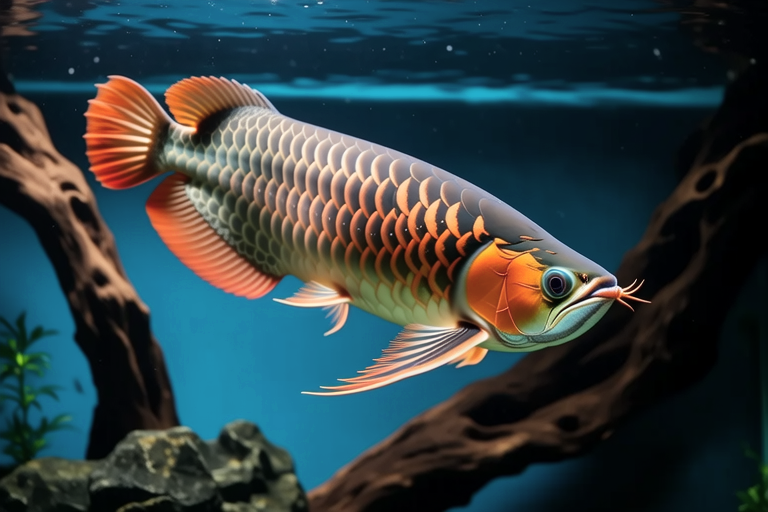
Arowanas belong to the Osteoglossidae family and are found in various parts of Asia, Africa, and South America. They are known for their elongated bodies, large pectoral fins, and remarkable jumping abilities. Their metallic scales, which can range from silver to gold, add to their striking appearance. Arowanas are not just beautiful; they are also intelligent creatures, capable of recognizing their keepers and exhibiting complex behaviors.
Care Requirements
Water Conditions
Maintaining the right water conditions is crucial for the health of your Arowana. These fish require stable temperatures between 78°F and 84°F (25°C to 29°C). The pH level should be kept within the neutral range of 6.5 to 7.5, and the water hardness should be moderate, around 5 to 15 dGH. Regular monitoring of these parameters ensures that your Arowana thrives in its environment.
Arowanas are sensitive to changes in water quality, so it’s essential to perform weekly water changes of about 20% to maintain optimal conditions. Utilize high-quality filtration systems that provide both mechanical and biological filtration to keep the water clean and free of harmful substances.
Diet
Arowanas are carnivorous and require a varied diet to meet their nutritional needs. In the wild, they feed on insects, small fish, crustaceans, and even birds. As pets, they can be fed a combination of live or frozen foods such as feeder fish, earthworms, and shrimp. It’s important to avoid overfeeding, as excess food can lead to poor water quality and obesity. Feeding them twice daily with appropriate portions is generally sufficient.
Space Needs
Arowanas grow rapidly and can reach lengths of up to 3 feet (90 cm) or more. Consequently, they require ample space to swim freely. A tank measuring at least 150 gallons (568 liters) is recommended for a single adult Arowana, but larger tanks are preferable. Ensure that the tank is long enough to allow the fish to fully extend its body while swimming. Additionally, provide plenty of hiding spots and open spaces for swimming to mimic their natural habitat.
Common Pitfalls
Temperature Control
One of the most common mistakes made by aquarium enthusiasts is failing to maintain consistent water temperatures. Fluctuations in temperature can stress Arowanas and make them more susceptible to diseases. Invest in reliable heaters and thermostats to ensure steady temperatures. Regularly check the thermometer to prevent any sudden changes.
Tank Size
Another frequent error is underestimating the space requirements for Arowanas. Many hobbyists start with smaller tanks, only to find themselves struggling to accommodate the fish as it grows. It’s crucial to plan for the future and invest in a suitably sized tank from the beginning. This not only ensures the well-being of the fish but also reduces the need for costly and stressful tank upgrades.
Selecting Healthy Specimens
Choosing a healthy Arowana is paramount for successful ownership. When purchasing, look for clear eyes, vibrant coloration, and active swimming behavior. Avoid fish with signs of injury, lethargy, or cloudy eyes. Additionally, ensure that the fish has been acclimated to its new environment gradually to minimize stress.
It’s advisable to purchase Arowanas from reputable breeders who prioritize the health and welfare of their stock. Conduct thorough research on potential suppliers to guarantee that you’re supporting ethical practices.
Maintaining Optimal Tank Environments
Creating a suitable tank environment involves more than just providing the right size and water conditions. Decorate the tank with rocks, driftwood, and plants to simulate the natural habitat of Arowanas. These elements not only enhance the aesthetic appeal of the tank but also offer hiding places and enrich the fish’s environment.
Regular maintenance is key to sustaining a healthy tank. This includes routine water testing, cleaning, and filter maintenance. By establishing a consistent maintenance schedule, you can prevent issues before they arise and ensure a thriving ecosystem for your Arowana.
Legal Considerations and Conservation Efforts
Before bringing home an Arowana, it’s vital to understand the legal implications of ownership. In many countries, certain species of Arowanas are protected due to their endangered status. For example, the Asian Arowana (Scleropages formosus) is listed under Appendix I of CITES, making it illegal to trade without proper permits. Research local regulations to ensure compliance and support conservation efforts.
Conservation initiatives aim to protect wild populations of Arowanas and promote sustainable breeding practices. By choosing captive-bred specimens and supporting organizations dedicated to their preservation, you contribute positively to the species’ survival.
Conclusion: A Call to Action
Owning an Arowana is a rewarding yet challenging endeavor. These magnificent creatures demand careful attention to detail and a commitment to providing the best possible care. Before embarking on this journey, take the time to research thoroughly, consult experienced aquarists, and prepare adequately for the responsibilities involved.
By understanding the unique needs of Arowanas and adhering to best practices, you can enjoy the splendor of these ancient fish while ensuring their well-being. Embrace the challenge, and you’ll be rewarded with a lifelong bond with one of nature’s most captivating creatures.
