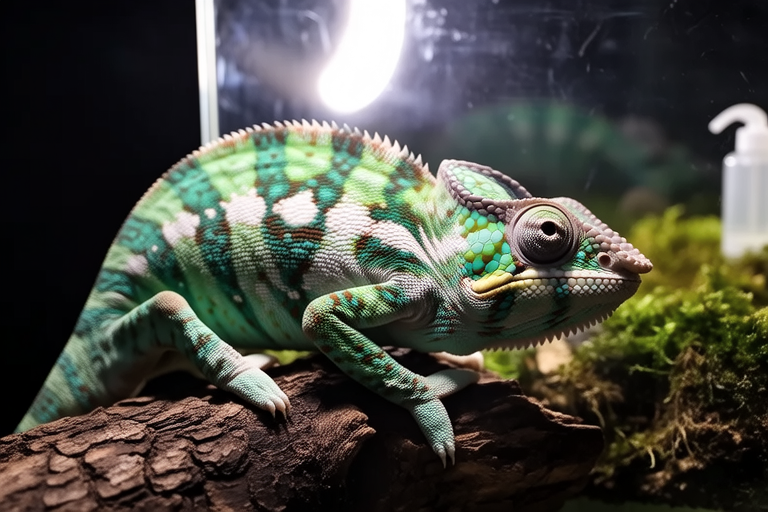
Chameleon Care Mistakes You Didn’t Know Were Harmful
Welcome to an insightful guide on chameleon care. Whether you’re a seasoned reptile enthusiast or a new owner, understanding the nuances of chameleon care can significantly impact your pet’s health and well-being. This article delves into some common yet often overlooked mistakes in chameleon care that can be detrimental to their health. We will provide clear explanations of why these mistakes are harmful and offer practical advice on how to correct them.
1. Insufficient UVB Lighting
One of the most critical aspects of chameleon care is providing adequate UVB lighting. Many owners overlook this necessity, assuming that natural sunlight is sufficient or that the chameleon will get enough from household lights. However, without proper UVB exposure, chameleons cannot synthesize vitamin D3, which is essential for calcium absorption and bone health. Deficiency in vitamin D3 can lead to metabolic bone disease (MBD), a condition characterized by soft, brittle bones that can result in fractures and deformities.
To correct this, ensure your chameleon has access to a high-quality UVB light source. The bulb should cover at least 75% of the enclosure and be placed within 6-12 inches of the basking area. Replace the bulb every six months, even if it still appears functional, as UVB output diminishes over time. Additionally, ensure the enclosure allows for direct exposure to the UVB light without any obstructions such as glass or plastic.
2. Inadequate Humidity Levels
Maintaining appropriate humidity levels is another crucial aspect of chameleon care. Chameleons require a humid environment to facilitate proper shedding and maintain hydration. If the air is too dry, they may struggle with shedding and suffer from dehydration, leading to kidney failure and other health issues. On the other hand, overly moist conditions can encourage bacterial and fungal growth, potentially causing respiratory infections.
To achieve optimal humidity, mist your chameleon’s enclosure several times daily, ensuring the humidity level reaches between 40% and 70%. Use a hygrometer to monitor humidity levels accurately. Employing a fogger or automatic misting system can also help maintain consistent humidity. Ensure there is good ventilation to prevent stagnant air and the buildup of harmful bacteria and fungi.
3. Improper Feeding Practices
Feeding chameleons correctly is vital for their health. Many owners make the mistake of feeding them exclusively on crickets, which can lead to nutritional deficiencies. A balanced diet should include a variety of insects, such as mealworms, waxworms, and superworms, along with leafy greens and vegetables. Each insect species provides different nutrients, so variety is key to ensuring your chameleon receives all necessary vitamins and minerals.
Another common mistake is overfeeding. Chameleons are prone to obesity if fed excessively, which can lead to liver problems and reduced longevity. Offer food items that are appropriately sized for your chameleon, and limit the number of feedings to once or twice a day. Dust insects with a high-quality calcium supplement at every feeding and a multivitamin supplement two to three times a week.
4. Poor Enclosure Setup
The design of a chameleon’s enclosure can greatly affect its health. Many owners underestimate the importance of vertical space, often opting for enclosures that lack height. Chameleons are arboreal creatures, meaning they spend most of their time in trees. An enclosure that does not provide ample vertical space can lead to stress and behavioral issues. Additionally, a poorly designed enclosure can result in inadequate temperature gradients, preventing the chameleon from regulating its body temperature effectively.
To set up an ideal enclosure, choose one that is tall and spacious, with a minimum height of 4 feet for adult chameleons. Equip the enclosure with branches and vines to allow for climbing and perching. Ensure there are multiple levels for your chameleon to explore. Place heat lamps and UVB lights at the top of the enclosure to create a gradient of temperatures, allowing your chameleon to thermoregulate effectively.
5. Overhandling and Stress
While interaction with your chameleon is important, overhandling can cause significant stress. Chameleons are solitary animals and prefer minimal human interaction. Handling them too frequently or roughly can lead to stress-related illnesses, including weakened immune systems and digestive issues. Stress can also manifest as changes in behavior, such as increased aggression or lethargy.
To minimize stress, handle your chameleon only when necessary and always gently. Limit handling sessions to short periods and avoid disturbing them during their active hours. Create a calm and stable environment by minimizing sudden noises and movements around the enclosure. Regular observation of your chameleon’s behavior can help identify signs of stress early.
6. Incorrect Water Supply
Proper hydration is crucial for chameleons. Many owners mistakenly believe that water dishes are sufficient for hydration, but chameleons rarely drink from standing water. Instead, they rely on droplets formed through misting or rain. Providing a reliable water supply is essential for maintaining hydration and preventing dehydration.
To ensure your chameleon stays hydrated, mist the enclosure several times a day, focusing on leaves and branches. Consider installing a drip system or fogger to simulate natural rainfall. Observe your chameleon’s drinking habits to adjust the frequency and duration of misting as needed. Always ensure the water supply is clean and free from contaminants.
7. Inadequate Temperature Regulation
Temperature regulation is fundamental for chameleons. They need a thermal gradient to regulate their body temperature effectively. Many owners fail to provide this gradient, leading to overheating or hypothermia. Overheating can cause organ damage and death, while hypothermia can slow down metabolism and digestion, leading to health issues.
To create a proper thermal gradient, use a combination of heat lamps and ambient room temperature. Position the heat lamp at one end of the enclosure to create a warm spot, while the cooler side remains unheated. The warm spot should reach around 85-90°F (29-32°C) during the day, gradually cooling to around 70-75°F (21-24°C) at night. Use a thermometer to monitor temperatures accurately and adjust the heat source as necessary.
Conclusion
By addressing these common yet overlooked mistakes in chameleon care, you can significantly enhance the quality of life for your pet. Understanding the specific needs of chameleons and making informed decisions about their care will contribute to their overall health and happiness. Remember, each chameleon is unique, so pay close attention to their behavior and adapt their care accordingly. With proper attention and care, your chameleon can live a long, healthy, and fulfilling life.
