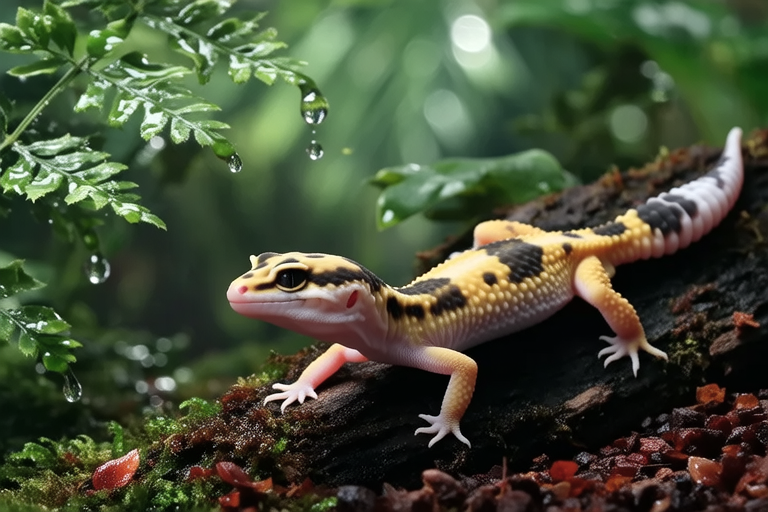
From Jungle to Home: The Ultimate Guide to Adopting and Raising a Chameleon
Understanding Chameleon Needs
Chameleons are fascinating creatures with unique needs that differ significantly from other pets. They are arboreal, meaning they spend most of their time in trees. In the wild, they thrive in warm, humid environments with plenty of foliage for climbing and hiding. Understanding these natural habitats is crucial for providing a similar environment at home.
Chameleons are solitary animals and prefer living alone. They are also territorial and can become stressed if housed with other chameleons. Each chameleon has its own personality, so it’s important to observe their behavior to understand their individual preferences and needs.
Selecting the Right Chameleon for Adoption
Choosing the right chameleon is an important decision. There are several species available, each with different care requirements. Common species include Panther Chameleons, Veiled Chameleons, and Jackson’s Chameleons. Panther Chameleons are popular due to their vibrant colors, while Veiled Chameleons are known for their hardiness and are often recommended for beginners.
When adopting a chameleon, look for one that is active, alert, and responsive. Avoid chameleons that appear lethargic or have visible signs of illness such as runny noses, swollen eyes, or irregularities in coloration. It’s also advisable to choose a chameleon from a reputable breeder who provides proper care and documentation of the animal’s health history.
Setting Up the Ideal Habitat
A well-designed habitat is essential for a chameleon’s health and happiness. The enclosure should be tall and spacious, allowing the chameleon ample room to climb and explore. A minimum size for a single adult chameleon is 4 feet wide by 4 feet deep by 6 feet tall. Smaller enclosures can lead to stress and health problems.
The enclosure should be equipped with branches and vines for climbing. These should be sturdy and safe for the chameleon to grip. Live or artificial plants can be added for additional cover and enrichment. Ensure that any live plants are non-toxic and safe for your pet.
Temperature control is crucial. Chameleons require a temperature gradient within their enclosure, typically ranging from 75°F (24°C) to 95°F (35°C). Use basking lights to create a warm spot, but avoid placing the heat source directly above the chameleon. UVB lighting is also necessary for calcium absorption and overall health. The UVB light should be replaced every six months to ensure effectiveness.
Dietary Requirements
Chameleons are insectivores, meaning their diet consists primarily of insects. A varied diet is important to ensure they receive all necessary nutrients. Common feeder insects include crickets, dubia roaches, and silkworms. Always gut-load insects with fresh vegetables and fruits before feeding them to your chameleon to increase nutritional value.
Vitamin and mineral supplementation is essential. Dust the feeder insects with a calcium supplement without D3 daily, and a multivitamin supplement with D3 once or twice a week. Over-supplementation can be harmful, so it’s important to follow a consistent and balanced regimen.
Water is another critical component of their diet. Chameleons drink water droplets from leaves rather than drinking from bowls. Mist the enclosure daily to provide fresh water, or use a drip system to simulate rain. Ensure that the water supply is clean and free from contaminants.
Health Care Tips
Regular veterinary check-ups are important for maintaining your chameleon’s health. Look for a veterinarian specializing in exotic pets, preferably with experience in chameleons. Early detection of health issues can prevent more serious problems down the line.
Signs of poor health include lethargy, loss of appetite, changes in color, and abnormal shedding. If you notice any of these symptoms, consult a vet immediately. Proper husbandry, including appropriate temperature, humidity, and diet, is the best defense against many common health issues.
Maintaining a clean enclosure is also vital. Regularly clean the enclosure and replace substrate as needed. This helps prevent bacterial growth and reduces the risk of infections. Clean water dishes and feeding utensils after each use to prevent contamination.
Common Challenges Faced by New Owners
New chameleon owners often face challenges related to habitat setup, diet, and handling. One common issue is incorrect temperature and humidity settings, which can lead to respiratory infections or metabolic bone disease. Ensuring the correct environmental conditions is key to overcoming this challenge.
Another frequent problem is inadequate nutrition. Many owners struggle to provide a balanced diet for their chameleons. Using a variety of feeder insects and carefully monitoring supplementation can help address this. Additionally, some owners find it difficult to handle their chameleons due to their delicate nature. It’s important to learn gentle handling techniques to minimize stress on the animal.
Ensuring a Happy and Healthy Life for Your Chameleon
To ensure a happy and healthy life for your chameleon, focus on creating a stimulating and enriching environment. Provide plenty of climbing opportunities and hiding spots. Rotate toys and branches periodically to keep the enclosure interesting.
Regular interaction and observation are also beneficial. Spend time watching your chameleon’s behavior and respond to any changes. This helps build trust and allows you to quickly identify potential health issues.
Finally, educate yourself continuously about chameleon care. The field of reptile husbandry is constantly evolving, and staying informed will help you provide the best possible care for your pet. Join online communities, attend workshops, and read books and articles to stay updated.
