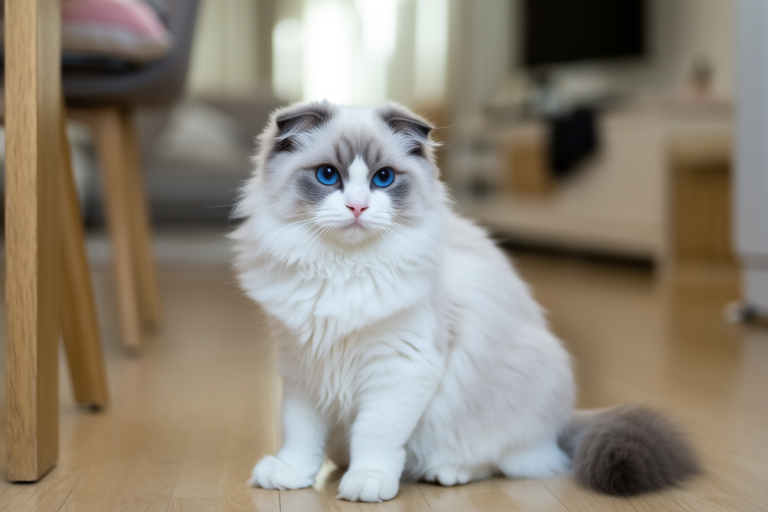
Life with a Scottish Fold: Unique Traits and Care Tips
Introduction to Scottish Folds, highlighting their origin and distinctive physical characteristics.
The Scottish Fold is a breed of cat known for its distinctively folded ears, which give it a unique look that resembles an owl. Originating from Scotland in the mid-20th century, this breed has captured the hearts of many pet lovers around the world. The story of the Scottish Fold began in 1961 when a barn cat named Susie was discovered with unusually folded ears. Her offspring inherited her unique ear structure, leading to the development of the Scottish Fold breed.
Distinctive physical characteristics of the Scottish Fold include their signature folded ears, which are caused by a genetic mutation affecting the cartilage in the ear. Not all kittens born to Scottish Fold parents will have folded ears; some may inherit straight ears. Despite their folded ears, these cats have excellent hearing. They come in various colors and patterns, making them visually appealing to many. Their medium-sized bodies are muscular and well-proportioned, with large, expressive eyes that often match their coat color.
Personality traits of Scottish Folds, discussing their temperament, interaction with humans, and typical behavior.
Scottish Folds are known for their friendly and affectionate nature. They tend to be calm and gentle, making them great companions for families and individuals alike. These cats enjoy being around people and often form strong bonds with their owners. They are typically tolerant of children and other pets, though they can be somewhat reserved with strangers. Their temperament is generally even-tempered, which makes them adaptable to different living situations.
Interaction with humans is one of the highlights of owning a Scottish Fold. They love to be involved in family activities and often follow their owners from room to room. Many Scottish Folds are also known to enjoy sitting on laps and being petted, showing their appreciation through purring and gentle kneading. Their playful nature means they enjoy interactive toys and games, keeping them mentally stimulated and physically active.
Health concerns specific to Scottish Folds, covering common genetic issues and necessary precautions.
While Scottish Folds are generally healthy cats, there are some health concerns specific to the breed due to their genetic makeup. One of the most significant issues is osteochondrodysplasia, a condition that affects the cartilage in their joints, particularly in their legs and tail. This condition can lead to arthritis-like symptoms and mobility issues as the cat ages. Early signs of discomfort or difficulty moving should prompt a visit to the veterinarian.
To mitigate these risks, it’s crucial to provide a balanced diet rich in nutrients that support joint health. Regular veterinary check-ups are also essential to monitor the cat’s overall health and address any emerging issues promptly. Additionally, maintaining a healthy weight for your Scottish Fold can help reduce the strain on their joints. Avoid over-exercising or placing undue stress on their limbs to prevent exacerbation of joint problems.
Dietary needs, focusing on appropriate nutrition and dietary considerations for optimal health.
Nutrition plays a vital role in the health and longevity of a Scottish Fold. A high-quality, balanced diet is essential to meet their nutritional needs and maintain their overall health. Look for cat food that provides complete and balanced nutrition, including proteins, fats, carbohydrates, vitamins, and minerals. Omega-3 fatty acids are particularly beneficial for their skin and coat health, while antioxidants can support their immune system.
Feeding practices should be tailored to the individual cat’s age, activity level, and health status. Kittens require more frequent meals and higher calorie intake compared to adult cats. Senior cats might benefit from lower-calorie diets to prevent obesity. Always consult with a veterinarian to determine the best diet for your Scottish Fold, especially if they have any health conditions that need special dietary management.
Grooming routines essential for maintaining the Scottish Fold’s coat and overall hygiene.
Maintaining the Scottish Fold’s coat requires regular grooming to keep their fur soft and free from mats. Despite having short hair, they still benefit from weekly brushing to remove loose hairs and distribute natural oils throughout their coat. Pay special attention to areas prone to matting, such as behind the ears and under the legs.
Bathing should be done sparingly, as excessive bathing can strip the skin of its natural oils. Use a gentle, cat-specific shampoo and ensure thorough rinsing to avoid irritation. Cleaning their ears regularly is important to prevent wax buildup and infections. Use a soft cloth or cotton ball dipped in a vet-approved ear cleaner to gently wipe the outer part of the ear. Keep their nails trimmed to prevent overgrowth and potential injuries.
Housing and environmental enrichment ideas that cater to their unique needs and promote well-being.
Providing a safe and stimulating environment is crucial for the well-being of your Scottish Fold. A spacious home with plenty of vertical space allows them to explore and exercise. Cat trees, shelves, and window perches offer opportunities for climbing and resting. Interactive toys and puzzles can keep them mentally engaged and prevent boredom.
Ensure that your home is secure, with no small objects or toxic substances accessible to the cat. Providing hiding spots and enclosed spaces can help them feel safe and secure. Consider creating a cozy sleeping area with comfortable bedding, and make sure they have access to fresh water at all times. Outdoor access should be limited to prevent exposure to dangers such as traffic, predators, and diseases.
Training tips and socialization techniques to enhance bonding and discipline.
Training and socialization are important aspects of raising a well-behaved and happy Scottish Fold. Positive reinforcement techniques, such as treats and praise, can be used to teach basic commands like ‘sit’ and ‘stay.’ Consistency is key when training, so use the same words and gestures each time.
Socialization from an early age helps your cat become comfortable with new people, animals, and environments. Expose them gradually to different stimuli, ensuring each experience is positive. This can involve introducing them to other pets, taking them to new places, or meeting new friends. Encourage good behavior by rewarding desired actions and redirecting unwanted behaviors without punishment.
Conclusion summarizing the joys and responsibilities of owning a Scottish Fold.
Owning a Scottish Fold is a rewarding experience filled with joy, companionship, and unique challenges. Their charming appearance, loving nature, and playful demeanor make them cherished members of many households. However, it comes with responsibilities, including providing proper care, addressing health concerns, and ensuring a safe and enriching environment.
By understanding and meeting the needs of your Scottish Fold, you can enjoy a fulfilling relationship with this special breed. With the right care and attention, your Scottish Fold will bring years of happiness and companionship to your life. Embrace the journey of raising a Scottish Fold, and cherish every moment spent with your beloved feline friend.
