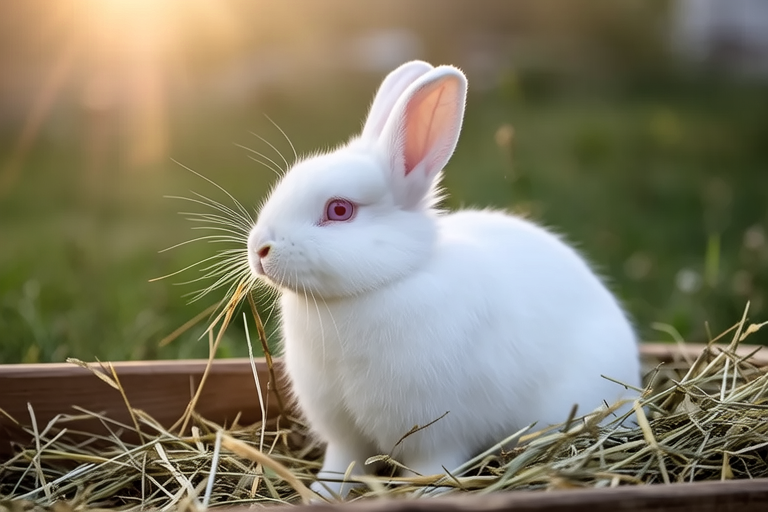
From Playful to Precious: Why Dutch Dwarf Rabbits Are Unstoppable Charmers
Welcome to the delightful world of Dutch Dwarf Rabbits! These tiny, charming creatures have captured the hearts of many pet enthusiasts with their unique blend of playfulness and preciousness. From their diminutive size to their gentle temperaments, Dutch Dwarfs are more than just adorable pets; they are lovable companions that bring joy and companionship to their owners. This article delves into the fascinating aspects of these rabbits, providing valuable insights for both prospective and current owners.
A Brief History of Dutch Dwarf Rabbits
The origins of the Dutch Dwarf Rabbit can be traced back to the Netherlands, where they were developed by crossing smaller breeds like the Netherland Dwarf and the Dutch Rabbit. Their creation was aimed at producing a rabbit breed that combined the compact size of the Netherland Dwarf with the distinct coloration and markings of the Dutch Rabbit. The result is a small, friendly, and visually striking breed that has gained popularity worldwide. The Dutch Dwarf Rabbit was officially recognized by the American Rabbit Breeders Association (ARBA) in 1969, solidifying its place in the rabbit fancy.
The Irresistible Appeal of Dutch Dwarf Rabbits
Dutch Dwarf Rabbits are known for their distinctive markings and petite size, making them one of the most recognizable breeds. They typically weigh between 1.5 to 2.5 pounds, which makes them an ideal choice for those living in apartments or homes with limited space. Their compact size also means they require less food and space compared to larger rabbit breeds, making them easier to care for. Additionally, their charming personalities and affectionate nature make them perfect companions for families and individuals alike.
A Gentle Giant in Miniature Form
Despite their small stature, Dutch Dwarf Rabbits possess a gentle giant’s heart. Their calm demeanor and friendly nature make them easy to handle and interact with. They are generally docile and patient, which makes them suitable for households with children. However, it’s important to remember that rabbits are delicate animals, so handling them should always be done gently and with care. Dutch Dwarfs are known to enjoy cuddling and bonding with their owners, often seeking out attention and affection.
Playful Nature and Enthusiasm
Beyond their gentle nature, Dutch Dwarf Rabbits are known for their playful antics. They love to explore their surroundings, often engaging in activities like digging and chewing. Providing them with toys and safe chew items can help satisfy their natural instincts and prevent destructive behavior. Their playful nature also extends to their interactions with humans; they enjoy being handled and will often follow their owners around the house, seeking attention and playtime. This combination of playfulness and affection makes Dutch Dwarfs incredibly engaging pets.
Caring for Your Dutch Dwarf Rabbit
Proper care is essential for ensuring your Dutch Dwarf Rabbit remains healthy and happy. Their diet should consist primarily of hay, fresh vegetables, and a small amount of pellets formulated specifically for rabbits. It’s important to provide them with a balanced diet rich in fiber to support digestive health. Clean water should always be available, and regular feeding schedules help maintain their energy levels and overall health.
In addition to proper nutrition, Dutch Dwarfs require a safe and comfortable living environment. A spacious cage or enclosure with adequate ventilation is necessary, along with soft bedding such as hay or straw. Regular cleaning of their living area is crucial to prevent the buildup of bacteria and ensure good hygiene. Providing hiding spots and tunnels can also enrich their environment and stimulate their natural behaviors.
Common Health Issues
Like all animals, Dutch Dwarf Rabbits are susceptible to certain health issues. One of the most common problems is dental disease, which can occur if their diet lacks sufficient fiber. Regular veterinary check-ups and maintaining a proper diet can help prevent this. Other potential health concerns include respiratory infections, gastrointestinal stasis, and skin conditions. Early detection and prompt treatment are key to managing these issues effectively. It’s advisable to consult with a veterinarian experienced in rabbit care for any health-related questions or concerns.
Tips for Potential Owners
If you’re considering adding a Dutch Dwarf Rabbit to your family, there are several factors to keep in mind:
- Space Requirements: While Dutch Dwarfs are small, they still need ample space to move around and exercise. A spacious cage or enclosure with room for hopping and stretching is essential.
- Handling: Always handle your rabbit gently and with care. Support their hindquarters when picking them up to avoid injury.
- Socialization: Dutch Dwarfs thrive on social interaction. Spend time with your rabbit daily, playing and bonding to strengthen your relationship.
- Regular Exercise: Provide opportunities for your rabbit to stretch and exercise outside of their enclosure. A supervised play area within your home can offer a safe and stimulating environment.
- Veterinary Care: Schedule regular check-ups with a veterinarian experienced in rabbit care. Vaccinations and preventive treatments are vital for maintaining their health.
Conclusion
Dutch Dwarf Rabbits are truly unstoppable charmers, combining playful energy with precious charm. Their unique blend of size, temperament, and appearance makes them irresistible companions for pet lovers. With proper care and attention, these delightful creatures can bring years of joy and companionship to their owners. Whether you’re a seasoned rabbit owner or new to the world of small pets, Dutch Dwarfs are sure to capture your heart and become cherished members of your family.
