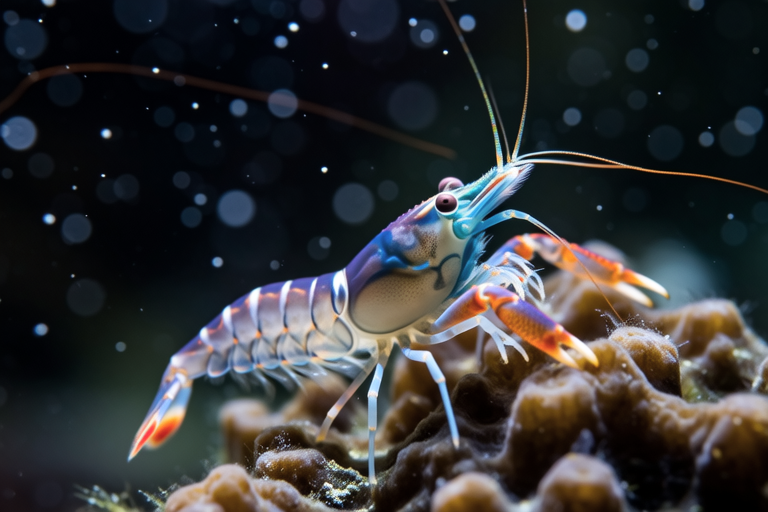
Uncovering the Vibrant World of Coral Shrimp: Perfect Aquarium Companions
Welcome to the fascinating world of coral shrimp! These small, colorful crustaceans are not only visually stunning but also play a crucial role in maintaining the health of your aquarium. This article will guide you through the diverse world of coral shrimp, exploring their vibrant colors, unique characteristics, and essential care requirements. Whether you’re a novice or an experienced aquarist, this guide will help you understand why coral shrimp are perfect companions for any aquarium.
Diversity of Coral Shrimp Species
Coral shrimp come in a wide variety of species, each with its own distinct appearance and behavior. One of the most popular types is the peppermint shrimp (Lysmata wurdemanni), known for its striking red-and-white-striped body. Another favorite is the scarlet cleaner shrimp (Lysmata amboinensis), which boasts vibrant red hues. The fire shrimp (Lysmata debelius) is another eye-catching species, featuring bright orange and white stripes. Additionally, the candy cane shrimp (Thor amboinensis) offers a delightful mix of white and red stripes. Each species brings its unique charm to the aquarium, making them a favorite among enthusiasts.
Natural Habitat and Ideal Tank Conditions
Coral shrimp naturally inhabit tropical waters, particularly around coral reefs and rocky areas. They thrive in environments with ample hiding spots and live rock structures. To replicate these conditions in an aquarium, it’s essential to provide plenty of live rock, caves, and crevices for them to explore and feel secure. A well-established reef tank with a stable water chemistry is ideal for these creatures. Maintaining optimal water parameters, including temperature (between 72-78°F), pH levels (8.1-8.4), and salinity (1.023-1.025 specific gravity), is crucial for their health and longevity.
Dietary Needs and Feeding Habits
Coral shrimp are omnivores, feeding on a variety of food sources. In the wild, they primarily consume algae, detritus, and small invertebrates. In captivity, they can be fed a balanced diet consisting of algae wafers, frozen foods like brine shrimp, and occasional meaty treats such as mysis shrimp. It’s important to note that coral shrimp are also beneficial for controlling algae growth in the tank. By providing a varied diet and ensuring adequate food supply, you’ll help maintain their vibrant coloration and overall health.
Maintaining Water Quality and Compatibility
To ensure the best possible living conditions for coral shrimp, regular maintenance of water quality is essential. Regular water changes, typically 10-20% every two weeks, help remove toxins and maintain water clarity. Using a protein skimmer can also assist in keeping the water clean and free from excess nutrients. Additionally, testing water parameters weekly and addressing any issues promptly is crucial. When selecting tankmates, it’s important to choose peaceful fish and invertebrates that won’t pose a threat to the shrimp. Avoid aggressive species that might harass or prey on the shrimp. Compatible tankmates include small clownfish, blennies, and other peaceful reef-dwelling fish.
The Benefits of Having Coral Shrimp in Your Aquarium
Incorporating coral shrimp into your aquarium offers numerous benefits. Firstly, they are excellent algae controllers, helping to keep the tank clean and aesthetically pleasing. Their constant grazing on algae prevents overgrowth, promoting a healthier environment for all inhabitants. Secondly, coral shrimp are fascinating to observe. Their vibrant colors and active behavior make them a delightful addition to any aquarium. Watching them interact with their surroundings provides endless entertainment. Lastly, coral shrimp contribute positively to the overall ecosystem of the tank. By maintaining a balanced environment, they support the well-being of all aquatic life within the aquarium.
Conclusion
Uncovering the vibrant world of coral shrimp reveals a realm of beauty and utility. From their diverse species to their unique care requirements, these small crustaceans bring much value to any aquarium. By understanding their natural habitat, dietary needs, and compatibility with other species, you can create an optimal environment for your coral shrimp. Embrace the joy of observing their colorful antics and the benefits they bring to your underwater world. With proper care and attention, coral shrimp will become cherished members of your aquatic family, enhancing both the visual appeal and ecological balance of your aquarium.
