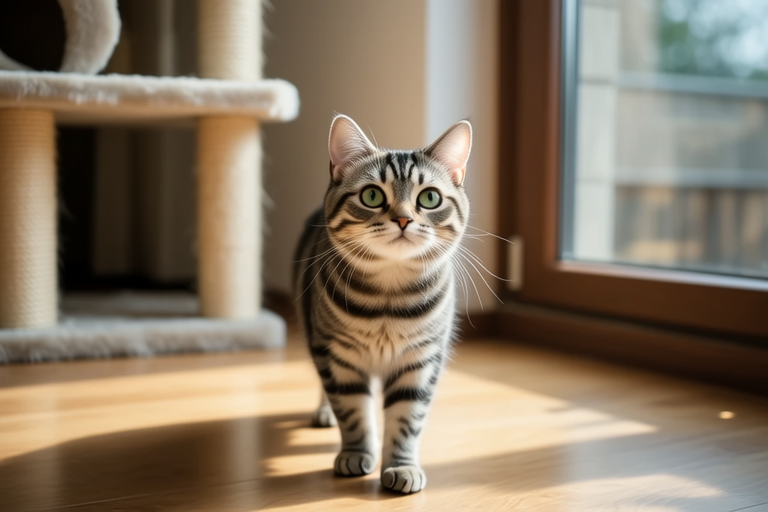
Life with a Munchkin: Fun Facts and Tips for New Owners
Welcome to the wonderful world of Munchkin cats! If you’ve recently welcomed a Munchkin into your home or are considering adopting one, you’re in for a treat. These charming, short-legged felines bring a unique blend of playfulness, affection, and adaptability to any household. In this article, we’ll explore the fascinating world of Munchkins, offering fun facts, practical tips, and essential information to help you provide the best care for your new furry friend.
Understanding the Unique Characteristics of Munchkin Cats
Munchkin cats are known for their distinctive short legs, which give them a unique appearance and movement style. This breed was first recognized in the 1980s when a cat named Blackberry was discovered with naturally short legs. Since then, the breed has gained popularity for its playful and affectionate nature. Despite their shorter limbs, Munchkins can move surprisingly fast and agilely, thanks to their strong back legs and flexible spines. They come in a variety of colors and patterns, making each Munchkin a one-of-a-kind companion.
Health Considerations for Munchkin Cats
While Munchkins are generally healthy cats, their unique physical characteristic—short legs—does come with some specific health considerations. One of the most significant concerns is lordosis, a condition where the spine curves inward. This can sometimes lead to difficulties in breathing or eating. Regular veterinary check-ups are crucial to monitor your Munchkin’s spinal health and address any issues early. Additionally, Munchkins may be more prone to joint problems, so it’s important to provide them with comfortable bedding and avoid letting them jump from high places.
Suitable Activities to Keep Your Munchkin Entertained
Munchkins are energetic and curious, so they need plenty of stimulation to stay happy and healthy. Interactive toys like feather wands or laser pointers can keep them engaged and active. Puzzle feeders are also excellent for mental stimulation, encouraging your Munchkin to work for their food. Since they are natural climbers, providing them with sturdy cat trees or shelves will allow them to explore their environment safely. Additionally, consider setting up a small tunnel or box for them to hide in, as many Munchkins enjoy having a cozy space to retreat to.
Tips for New Owners: Providing a Safe and Enriching Environment
Creating a safe and enriching environment is key to ensuring your Munchkin thrives. Start by securing any potential hazards such as electrical cords or small objects that could pose a choking risk. Munchkins love to explore, so make sure your home is free of sharp corners or areas where they might get stuck. Provide multiple litter boxes in different locations to accommodate their preference for privacy. Finally, consider enrolling your Munchkin in kitten classes or socialization programs to help them develop good behavior habits and confidence around other pets and people.
Common Myths About the Breed Debunked
There are several misconceptions about Munchkin cats that are worth addressing. One common myth is that all Munchkins suffer from severe health issues due to their short legs. While it’s true that some Munchkins may face certain challenges, many live long, healthy lives without major complications. Another myth is that Munchkins are less active than other cats. In reality, Munchkins are quite energetic and enjoy playing just as much as any other breed. It’s also important to note that Munchkins are not dwarfs; they are simply a distinct breed with a genetic mutation that results in shorter legs.
Grooming and Dietary Needs of Munchkin Cats
Munchkins have short, fine coats that require minimal grooming. A weekly brushing session with a soft-bristled brush should suffice to remove loose hair and distribute skin oils. However, pay special attention to their longer fur behind their ears and on their paws. Regular nail trimming is also necessary to prevent overgrowth and discomfort. When it comes to diet, Munchkins should be fed a high-quality, nutritionally balanced cat food that meets their specific needs. Consult with your veterinarian to determine the appropriate portion sizes and types of food based on your Munchkin’s age, weight, and activity level.
Building a Bond with Your Munchkin
The bond between you and your Munchkin will deepen as you spend time together and understand each other’s quirks. Munchkins are known for their affectionate nature and often enjoy cuddling with their owners. Spend quality time with your Munchkin by playing interactive games, offering treats, and simply sitting together. Be patient and consistent in your interactions, allowing your Munchkin to approach you at their own pace. Over time, you’ll form a strong, loving connection that brings joy to both of you.
Conclusion
Raising a Munchkin cat is a rewarding experience filled with laughter, companionship, and endless entertainment. By understanding their unique needs, providing a safe and stimulating environment, and addressing common myths, you can ensure your Munchkin leads a happy, healthy life. Remember to consult with your veterinarian regularly and seek professional advice when needed. With love, patience, and proper care, your Munchkin will become an integral part of your family, bringing years of joy and companionship.
