The Origins and Evolution of Persian Cats
Persian cats, one of the oldest known cat breeds, have captivated human hearts for centuries with their regal appearance and gentle demeanor. Their origins can be traced back to ancient Persia, now modern-day Iran, where they were highly prized for their luxurious coats and elegant presence. Over time, these felines have undergone significant changes, both physically and culturally, influenced by various historical events and breeding practices.
Historical Background
The exact origin of Persian cats is somewhat shrouded in mystery, but it is believed that they were first brought to Europe from Persia during the 17th century. These cats were initially bred for their striking appearance and were often kept as companions by nobility. The breed’s popularity grew rapidly, especially in England, where they were exhibited at cat shows and became a favorite among cat fanciers.
During the Victorian era, Persian cats gained immense popularity due to their association with luxury and refinement. Queen Victoria, a known animal lover, was particularly fond of these cats, which further elevated their status. The breed’s allure spread across the continent, and by the early 20th century, Persian cats were being exported to various parts of the world, including North America.
Distinctive Physical Traits
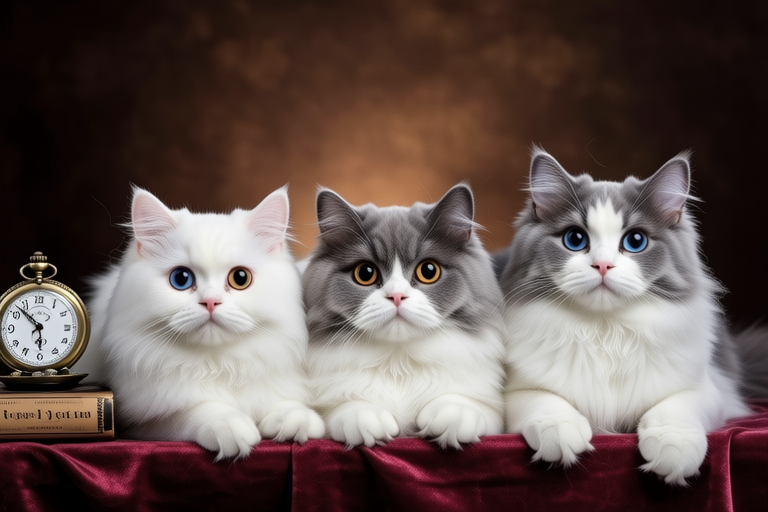
Persian cats are easily recognizable by their distinct physical features. They have a round head, large eyes, and small ears set far apart. Their coat is long, thick, and silky, available in a wide range of colors and patterns. The most common color is white, followed by black, blue, and cream. Persian cats also have short legs, a broad chest, and a stocky build, contributing to their overall majestic appearance.
One of the most notable characteristics of Persian cats is their facial structure, which has been selectively bred over generations. This includes a flattened face, known as brachycephaly, which gives them their characteristic ‘smushed’ look. While this trait is highly desirable in the show circuit, it can lead to health issues such as breathing difficulties and dental problems.
Gentle Temperament
Besides their striking looks, Persian cats are renowned for their calm and affectionate nature. They are generally docile, patient, and enjoy the company of humans. These qualities make them ideal family pets, especially for households with children or other pets. Persian cats tend to be less active than some other breeds, preferring to spend their days lounging around and enjoying the comfort of their surroundings.
Despite their laid-back personality, Persian cats are intelligent and can form strong bonds with their owners. They are often described as being ‘people-oriented,’ meaning they seek out human interaction and enjoy being petted and pampered. This makes them excellent companions for those looking for a low-maintenance yet emotionally fulfilling pet.
Popularity as Pets
The popularity of Persian cats has grown steadily over the years, thanks to their appealing appearance and gentle temperament. Today, they are one of the most popular cat breeds worldwide, cherished for their elegance and grace. Their presence in homes and shelters alike is a testament to their enduring appeal.
In addition to their role as beloved pets, Persian cats have also made appearances in various forms of media, including books, films, and television shows. They have been featured in works of art, from paintings to sculptures, and have even inspired fashion trends. Their influence extends beyond the realm of pet ownership, making them a cultural icon in many societies.
Notable Mentions in Art, Literature, and Royal Courts
Persian cats have been celebrated in art and literature for centuries. In paintings, they are often depicted alongside their owners, adding an element of sophistication and elegance to the scene. One famous example is the painting “The Persian Cat” by Sir Edwin Landseer, which captures the breed’s regal appearance and gentle expression.
In literature, Persian cats have been mentioned in various works, including novels and poetry. They have been associated with themes of beauty, luxury, and companionship, reflecting their status as prized possessions. In royal courts, Persian cats were often kept as exotic pets, symbolizing wealth and power. The breed’s association with nobility has contributed to its enduring appeal, making it a symbol of refinement and grace.
Breeding Practices
The development of the Persian cat breed has been significantly influenced by selective breeding practices. Breeders have focused on enhancing the breed’s physical traits, such as the length of the coat and the shape of the face, while striving to maintain its gentle temperament. However, these efforts have also led to certain challenges.
One of the most significant challenges faced by Persian cats is the prevalence of health issues, particularly respiratory problems and dental issues. The flattened face, which is highly sought after in the show circuit, can cause breathing difficulties and contribute to dental overcrowding. Additionally, the breed’s long coat requires regular grooming to prevent matting and skin infections.
To address these challenges, breeders have implemented various strategies, including selective breeding programs aimed at improving the breed’s health and reducing the incidence of genetic disorders. Genetic testing has become an essential tool in identifying carriers of hereditary conditions, allowing breeders to make informed decisions about mating pairs. Despite these efforts, there is still ongoing debate within the breeding community about the ethical implications of certain breeding practices and the impact they have on the overall well-being of the breed.
Care Requirements
Owning a Persian cat comes with specific care requirements, primarily due to their long, dense coats. Regular grooming is essential to prevent matting and skin infections, and most owners find it necessary to brush their cats daily. Professional grooming sessions may also be required to keep their coats in top condition.
Aside from grooming, Persian cats require a balanced diet and regular veterinary check-ups to ensure their overall health and well-being. They are prone to certain health issues, including respiratory problems, dental issues, and urinary tract infections, so it is crucial to monitor their health closely and provide prompt medical attention when needed.
Enduring Appeal in Contemporary Times
In contemporary times, Persian cats continue to hold a special place in the hearts of cat lovers worldwide. Their unique combination of elegance, intelligence, and affection makes them ideal companions for many households. They have become a symbol of luxury and refinement, often featured in advertisements and promotional materials.
Today, Persian cats play an important role in families, providing companionship and emotional support to their owners. Their gentle nature and calm demeanor make them excellent therapy animals, often used in hospitals, nursing homes, and schools. As society becomes more aware of the benefits of pet ownership, the demand for Persian cats as family pets continues to grow.
Moreover, Persian cats have maintained their status as cultural icons, appearing in various forms of media and inspiring fashion trends. Their enduring appeal lies in their ability to transcend time and space, remaining relevant in an ever-changing world. Whether as cherished pets or symbols of luxury, Persian cats will undoubtedly continue to captivate and inspire for generations to come.
