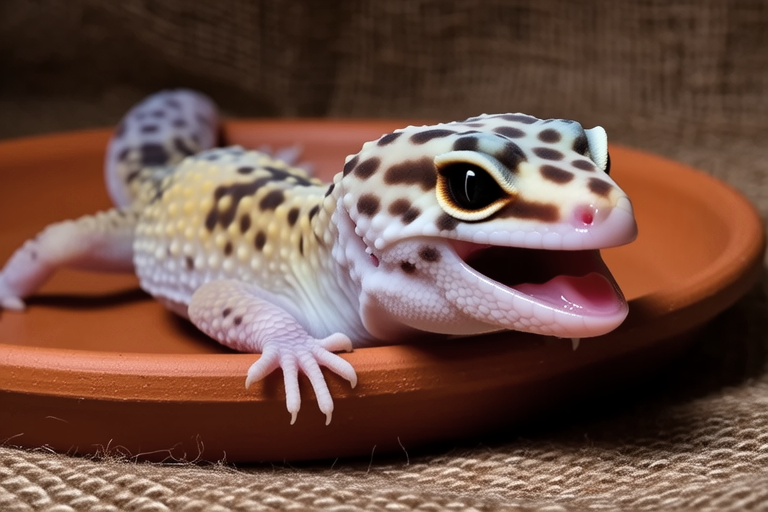
Leopard Geckos: A Unique Pet with Enchanting Charm
Leopard geckos are among the most popular reptile pets due to their docile nature, ease of care, and captivating appearance. These small lizards have become a favorite among both novice and experienced reptile enthusiasts. In this article, we will explore the unique charm of leopard geckos, their physical characteristics, interesting behaviors, and provide tips for photographing these beautiful creatures.
Physical Characteristics: Colorations and Patterns
Leopard geckos are known for their striking appearance, which is characterized by their vibrant colors and unique patterns. The base color of their skin can range from yellow to orange, while their spots come in various shades of brown or black. These spots give them their name, resembling the rosettes found on leopards. Some geckos have more pronounced patterns, while others may have a more subdued look. Additionally, breeders have developed numerous morphs, which are variations of the standard leopard gecko. These morphs include albino, high yellow, jungle, and patternless varieties, each with its own distinct appearance. Leopard geckos also possess a series of tiny bumps along their back, called tubercles, which give them a rough texture and enhance their camouflage abilities in the wild.
Interesting Behaviors and Facts
Leopard geckos exhibit several fascinating behaviors that make them an engaging pet. One of the most notable behaviors is their ability to detach their tail when threatened, a process known as autotomy. This defense mechanism allows the gecko to escape predators while the predator is distracted by the wriggling tail. The gecko will eventually regrow its tail, though it may not look exactly the same as the original. Another interesting behavior is their nocturnal nature; they are primarily active during the night, making them ideal for those who want a pet that doesn’t require constant attention. They are also known for their excellent climbing abilities, although they prefer to stay on the ground. Leopard geckos are solitary animals, and it’s best to keep them alone to avoid stress or fighting. They communicate through body language, such as head bobbing, arm waving, and tail flicking. These gestures can indicate aggression, submission, or even courtship.
Tips for Photographing Leopard Geckos
Capturing the beauty of your leopard gecko on camera requires some preparation and attention to detail. First, choose the right equipment, such as a macro lens for close-up shots or a DSLR camera with a good zoom capability. When setting up your shooting environment, ensure it’s comfortable for your gecko. Use natural light whenever possible, as it provides a soft and natural look. If you’re using artificial lighting, consider using a ring light or softbox to avoid harsh shadows. Experiment with different angles to find the best perspective that highlights your gecko’s features. Try getting low to the ground for a more intimate shot or shooting from above for a more dramatic effect. Pay attention to the gecko’s expressions, as they can convey a lot of personality. Focus on capturing moments where the gecko is relaxed or engaged in an activity, such as hunting or exploring its enclosure. Finally, take multiple shots to increase your chances of getting the perfect image. With patience and practice, you’ll be able to capture stunning photos of your leopard gecko.
Potential Challenges in Caring for Leopard Geckos
While leopard geckos are generally easy to care for, there are still some challenges that owners may face. One common issue is providing the appropriate temperature gradient within the enclosure. Leopard geckos need a warm side and a cool side to regulate their body temperature. Without proper heating, they may experience health problems such as respiratory infections or metabolic bone disease. Another challenge is ensuring proper humidity levels. While leopard geckos don’t require high humidity like some other reptiles, they do need occasional misting to maintain hydration. Over-misting can lead to mold growth, so it’s essential to strike a balance. Feeding can also be a challenge, especially if your gecko is picky or has dietary restrictions. It’s important to offer a variety of appropriately sized insects, such as crickets, mealworms, and dubia roaches. Dust the insects with calcium and vitamin D3 supplements to prevent nutritional deficiencies. Lastly, handling your gecko can be tricky at first, but with gentle and consistent handling, your gecko will become more comfortable around you.
Conclusion: The Beauty and Appeal of Leopard Geckos Through Photography
Leopard geckos are truly enchanting creatures, and their unique charm is evident in every aspect of their lives. From their vibrant colorations and patterns to their fascinating behaviors, these small lizards have captured the hearts of many reptile enthusiasts. By photographing your leopard gecko, you can showcase their beauty and personality in a way that words cannot. With the right equipment, lighting, and techniques, you can create stunning images that highlight their captivating features. Whether you’re a seasoned photographer or just starting out, capturing the essence of your leopard gecko can be a rewarding and enjoyable experience. So, grab your camera and start snapping away, knowing that you’re preserving a moment of pure joy and wonder. Leopard geckos are not only wonderful pets but also subjects that can bring a touch of magic into your photography.
