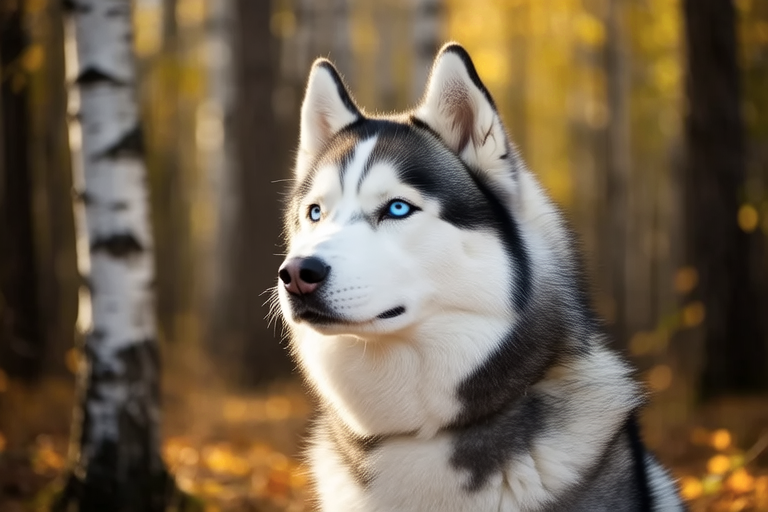
Understanding Siberian Huskies: Beyond Their Iconic Blue Eyes
Siberian Huskies have long been celebrated for their striking blue eyes, but there’s much more to these beautiful creatures than meets the eye. Known for their resilience, adaptability, and unique characteristics, Siberian Huskies offer a rich tapestry of behaviors that stem from their deep-rooted history and origins. In this article, we will explore the various facets of Siberian Husky behavior, including their pack mentality, communication styles, intelligence, exercise needs, and more. By understanding these aspects, pet owners and enthusiasts can better appreciate and care for these magnificent dogs.
The Historical Background and Origins of Siberian Huskies
Siberian Huskies trace their roots back to the Chukchi people of northeastern Asia, who used these dogs for sledding, herding, and as companions. The harsh Arctic environment demanded dogs with endurance, strength, and a strong work ethic, shaping the breed’s physical and behavioral traits over generations. These dogs were valued not only for their ability to pull sleds but also for their loyalty and companionship.
The introduction of Siberian Huskies to North America came during the Alaskan Gold Rush in the early 20th century. They played a crucial role in the famous 1925 serum run to Nome, where they transported life-saving diphtheria antitoxin across treacherous terrain. This event brought worldwide attention to the breed and solidified their reputation as hardworking, reliable sled dogs.
Pack Mentality and Communication Styles
Siberian Huskies exhibit strong pack mentality, a trait inherited from their ancestors who lived and worked together in tight-knit groups. This means they thrive in environments where they feel part of a larger community, whether it be a family or a group of other animals. They often form close bonds with their human families and may show protective behaviors towards them.
Communication within a pack is vital, and Siberian Huskies excel at non-verbal cues such as body language and facial expressions. They are highly observant and can interpret subtle signals from both humans and other animals. This keen awareness allows them to navigate social interactions effectively, making them excellent companions in multi-pet households.
Intelligence Levels and Common Behavioral Challenges
Siberian Huskies are intelligent and quick learners, which can sometimes lead to behavioral challenges if not properly managed. Their independent nature means they may test boundaries and require consistent, positive reinforcement training. Without proper guidance, they might become stubborn or even aggressive. For instance, a Siberian Husky named Bella was known to dig extensive tunnels under fences to escape and explore new areas. This behavior stemmed from her innate desire to roam and explore, a trait common among the breed.
To address such challenges, it’s essential to establish clear rules and routines. Consistency is key when training Siberian Huskies, as they respond well to structured environments. Positive reinforcement techniques, such as treats and praise, work best. It’s important to note that punishment-based methods can exacerbate behavioral issues and damage the bond between dog and owner.
Exercise Needs
Siberian Huskies have high energy levels and require ample exercise to stay healthy and happy. They were bred for endurance and can cover long distances without tiring easily. Regular physical activity helps prevent destructive behaviors like chewing or digging, which often arise due to boredom or excess energy.
Owners should provide opportunities for their Siberian Huskies to engage in activities that mimic their natural instincts, such as running, hiking, or participating in dog sports like agility or obedience trials. A Siberian Husky named Max, for example, found great satisfaction in competing in mushing events, channeling his ancestral heritage into modern-day activities.
Training Methods
Effective training methods for Siberian Huskies involve patience, consistency, and positive reinforcement. Due to their independent nature, traditional training approaches may not yield the desired results. Instead, focus on building a strong relationship based on trust and mutual respect.
Begin by establishing yourself as the leader of the pack through gentle, assertive leadership. Use commands consistently and reward good behavior promptly. Siberian Huskies respond well to verbal cues and hand signals, so incorporating both can enhance their learning experience. For example, teaching “sit” or “stay” can be done using treats and praise, ensuring the dog understands what is expected of them.
Social Interaction Preferences
Siberian Huskies are generally friendly and sociable, enjoying the company of both humans and other animals. However, their strong pack mentality means they may exhibit possessive or territorial behaviors if not properly socialized. Early exposure to various environments, people, and animals can help foster a well-rounded, confident dog.
They tend to be affectionate with their immediate family but may be reserved around strangers. Socialization from an early age is crucial to ensure they develop appropriate interactions with others. For instance, a Siberian Husky named Luna was initially shy around new people but became more comfortable after attending puppy classes and meeting different individuals in controlled settings.
Real-Life Examples and Case Studies
One notable case study involves a Siberian Husky named Apollo, who was adopted from a shelter. Initially, Apollo exhibited aggressive tendencies towards other dogs due to lack of proper socialization. Through consistent training and exposure to various stimuli, he transformed into a loving and well-adjusted companion. His story highlights the importance of early intervention and positive reinforcement in addressing behavioral issues.
Another example is a Siberian Husky named Zara, who excelled in agility competitions. Her owner attributed her success to regular mental stimulation and physical exercise. Zara’s achievements demonstrate the potential of Siberian Huskies when given the right opportunities to showcase their abilities.
Conclusion
Siberian Huskies are fascinating creatures with a rich history and unique behavioral traits. Understanding their pack mentality, communication styles, intelligence levels, and exercise needs can greatly enhance the bond between dog and owner. By providing consistent training, ample exercise, and positive social experiences, pet owners can ensure their Siberian Huskies live fulfilling, joyful lives. Whether you’re a seasoned dog enthusiast or a first-time owner, these remarkable dogs offer endless love, companionship, and adventure.
