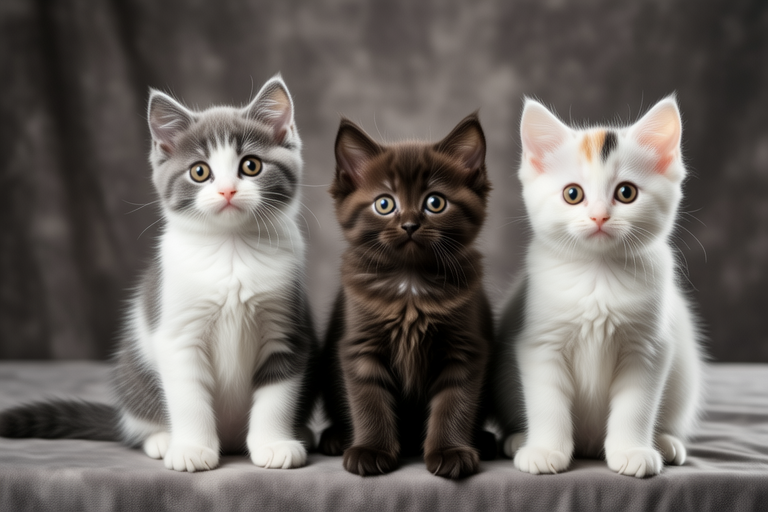
Meet the Adorable Munchkins: The Cats with Unique Short Legs
Welcome to the delightful world of Munchkin cats! These endearing felines have captured the hearts of many with their unique short legs and playful personalities. Known for their distinctive appearance, Munchkins are a breed that has garnered attention for their charm and companionship. In this article, we will explore the fascinating aspects of these short-legged cats, including their physical characteristics, temperament, health considerations, history, and care tips. We’ll also hear from owners who have embraced the joy of living with a Munchkin.
The Distinctive Appearance of Munchkin Cats
Munchkin cats are easily recognizable due to their disproportionately short legs compared to their body size. This unique trait is the result of a genetic mutation that affects the long bones in their legs, giving them a distinctively low-slung profile. Despite their short stature, Munchkins are agile and surprisingly fast, often surprising people with their ability to leap and climb despite their limited leg length.
In addition to their short legs, Munchkins come in a wide variety of coat types, colors, and patterns, making each one unique. Their coats can be either long-haired or short-haired, and their eyes come in a range of colors, adding to their individuality. Regardless of their physical differences, all Munchkins share a common playful and curious nature that makes them delightful companions.
Temperament and Personality
Munchkin cats are known for their friendly and outgoing personalities. They are affectionate, sociable, and love to interact with their human companions. Their playful nature means they are always ready for games, whether it’s chasing toys or exploring their surroundings. Munchkins are also intelligent and can be trained to perform tricks, making them both entertaining and easy to bond with.
Despite their small stature, Munchkins are surprisingly resilient and adaptable. They thrive in environments where they can explore and play, but they are equally comfortable lounging on a cozy cushion. Their friendly demeanor makes them excellent pets for families with children or other pets, as they enjoy social interaction and are generally tolerant of others.
Health Considerations
While Munchkin cats are generally healthy, there are some specific health concerns associated with their unique anatomy. Due to their short legs, they may be more prone to spinal issues such as lordosis (swayback) and pectus excavatum (sunken chest). It’s important for owners to monitor their cats for any signs of discomfort or mobility issues and to provide appropriate support and care.
Regular veterinary check-ups are essential for maintaining the health of your Munchkin. Additionally, providing a safe and supportive environment can help prevent injuries and promote overall well-being. This includes ensuring that their living space is free of hazards and that they have access to comfortable bedding and climbing structures that accommodate their shorter legs.
The History of Munchkin Cats
The origins of the Munchkin cat can be traced back to Louisiana in the 1980s, where a woman named Sandra Hochenedel discovered a stray cat with unusually short legs. She named the cat Blackberry, and from this single cat, the Munchkin breed began to develop. Over time, Blackberry had offspring with other cats, and the trait for short legs was passed down through generations.
The breed gained recognition and popularity in the 1990s when enthusiasts began selectively breeding Munchkins to preserve and enhance their unique characteristics. Today, Munchkins are recognized by several cat registries, including the International Cat Association (TICA), and their numbers continue to grow as more people discover the joy of owning one of these charming cats.
Caring for a Munchkin Cat
Caring for a Munchkin cat involves providing them with a balanced diet, regular exercise, and a nurturing environment. Munchkins require a high-quality diet that meets their nutritional needs, which may vary depending on their age, weight, and activity level. Consult with your veterinarian to determine the best diet for your Munchkin and ensure they receive proper nutrients to maintain their health.
Exercise is crucial for keeping Munchkins fit and healthy. While they may not be able to jump as high as other cats, they still enjoy playing and exploring. Providing interactive toys, scratching posts, and climbing structures can help stimulate their minds and bodies. Encourage your Munchkin to engage in physical activities that suit their abilities, such as chasing lightweight toys or climbing ramps designed for short-legged cats.
Anecdotes from Owners
Many owners of Munchkin cats share stories of their unique and loving companions. One owner, Sarah, describes her Munchkin, Whiskers, as “a constant source of joy.” She says, “Whiskers may be small, but his personality is enormous. He loves to play and is always up for an adventure. His short legs don’t stop him from exploring every nook and cranny of our home.” Another owner, Mike, notes, “My Munchkin, Luna, is incredibly affectionate. She follows me around the house and loves to snuggle on the couch. Her playful nature keeps me entertained, and she’s always ready for a game.”
These anecdotes highlight the special bond that owners form with their Munchkin cats. Whether through their playful antics or their affectionate nature, these cats bring immense happiness to their families.
Conclusion
Munchkin cats are truly unique and delightful companions. With their distinctive short legs, playful personalities, and friendly temperaments, they offer a special kind of joy to those who choose to welcome them into their homes. By understanding their health needs, providing proper care, and creating a nurturing environment, you can ensure that your Munchkin lives a happy and fulfilling life. As more people discover the charm of these adorable cats, their popularity continues to grow, and they remain a beloved addition to many households.
