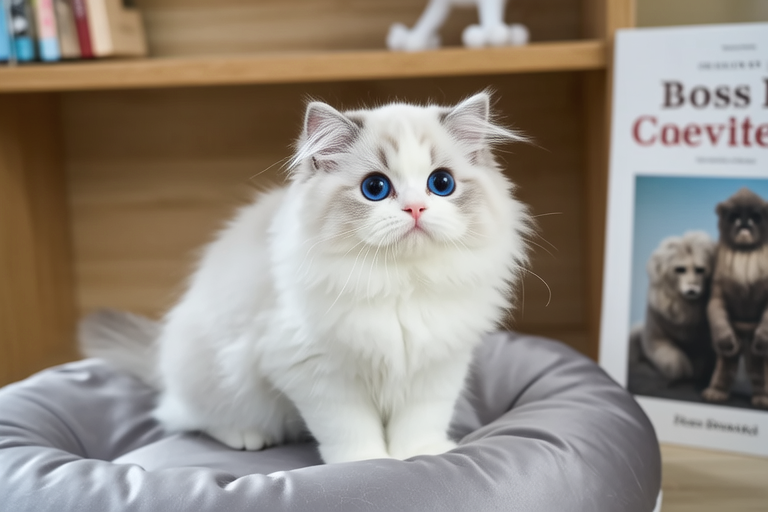
The Ultimate Guide for First-Time Persian Cat Owners!
Welcome to the wonderful world of Persian cats! These long-haired, gentle companions are known for their striking appearance and affectionate nature. As a first-time Persian cat owner, you’re embarking on an exciting journey filled with love, laughter, and perhaps some challenges. This comprehensive guide will walk you through everything you need to know to provide the best care for your Persian friend.
Choosing the Right Persian Cat
Selecting the perfect Persian cat involves considering various factors such as age, personality, and health. Kittens are full of energy and require more attention, while adult cats might be calmer and more independent. Personality traits vary widely within the breed, so it’s essential to find one that matches your lifestyle and preferences.
When adopting from a breeder, look for reputable sources that prioritize the health and well-being of their cats. Ensure they conduct thorough health checks and provide documentation regarding vaccinations and genetic testing. If possible, visit the breeder’s facility to meet the mother and observe the kittens’ environment. This helps gauge the overall care and conditions under which the cats are raised.
Understanding Grooming Needs
Persian cats have luxurious, dense coats that require daily brushing to prevent matting and hairballs. Use a slicker brush or comb designed for long-haired breeds to gently remove loose fur and tangles. Pay special attention to areas where mats commonly form, such as behind the ears and around the tail.
In addition to brushing, bathing your Persian cat every four to six weeks can help maintain their coat’s condition. Use a mild, pH-balanced shampoo specifically formulated for cats. Be sure to thoroughly rinse out all soap residue to avoid skin irritation. After bathing, dry your cat completely with a soft towel or blow dryer set on low heat.
Eyelid cleaning is another crucial aspect of grooming. Persian cats often experience tear staining due to their short noses and wide-set eyes. Wipe away any discharge or crust with a damp cotton ball or cloth. This helps prevent infections and keeps their face clean and tidy.
Dietary Requirements
Providing a balanced diet is vital for maintaining your Persian cat’s health and longevity. High-quality commercial cat foods formulated for indoor or senior cats are generally suitable. Look for products containing real meat as the primary ingredient and avoid those with fillers or artificial preservatives.
Consult your veterinarian about specific dietary recommendations based on your cat’s age, weight, and activity level. They may suggest supplements or specialized diets if your cat has any underlying health conditions. Always ensure access to fresh water at all times to keep them hydrated.
Health Concerns Specific to the Breed
Persian cats are prone to certain health issues due to their unique physical characteristics. Polycystic kidney disease (PKD) is a hereditary disorder affecting many Persians. Regular veterinary check-ups and ultrasound screenings can help monitor this condition.
Upper respiratory infections are also common among Persians because of their flat faces. Signs include sneezing, runny nose, and watery eyes. Prompt treatment by a veterinarian is necessary to prevent complications.
Osteoarthritis may develop as your cat ages, causing joint pain and stiffness. Weight management and anti-inflammatory medications prescribed by your vet can alleviate symptoms and improve mobility.
Tips for Creating a Comfortable Living Environment
Create a cozy space for your Persian cat with soft bedding, scratching posts, and elevated resting spots. Provide plenty of toys to stimulate their minds and bodies. Consider installing cat trees or shelves to give them vertical territory to explore.
Persian cats enjoy quiet environments, so choose a location away from noisy appliances or high-traffic areas. Place litter boxes in easily accessible but private locations. Clean litter boxes regularly to encourage proper bathroom habits.
Training and Socialization
Begin training your Persian cat during kittenhood to establish good behavior patterns. Positive reinforcement techniques, such as treats and praise, work best for teaching commands or discouraging unwanted behaviors.
Socializing your cat early on helps them become comfortable around people and other animals. Expose them gradually to different stimuli, including sounds, sights, and textures. This builds confidence and reduces anxiety in unfamiliar situations.
Common Behavioral Issues and Solutions
Excessive grooming or licking can indicate stress or boredom. Offer interactive play sessions and provide puzzle toys to redirect their energy. If the behavior persists, consult your veterinarian to rule out medical causes.
Aggression towards other pets or humans may stem from fear, territoriality, or frustration. Address these issues by providing separate spaces for each animal and ensuring adequate exercise opportunities. Professional behavior consultations can offer tailored strategies for managing aggressive tendencies.
Advice on Regular Veterinary Care
Establish a relationship with a trusted veterinarian who understands Persian-specific healthcare needs. Schedule routine examinations annually, even when your cat appears healthy. These visits allow early detection of potential problems and preventive treatments.
Vaccinations protect against serious diseases like rabies, feline leukemia virus, and feline immunodeficiency virus. Spaying or neutering prevents unwanted pregnancies and reduces risks associated with certain cancers.
Ensuring Longevity and Happiness for Your Persian Cat
To promote a long and happy life for your Persian cat, focus on maintaining optimal weight through proper nutrition and exercise. Engage in regular playtime to keep them mentally stimulated and physically active.
Monitor your cat’s overall well-being by observing changes in appetite, energy levels, and bathroom habits. Early intervention can make a significant difference in treating illnesses effectively.
Resources for New Owners
Join online forums or local clubs dedicated to Persian cat enthusiasts. These communities offer valuable support, advice, and networking opportunities. Additionally, consider subscribing to magazines or following blogs focused on feline care and welfare.
Invest in educational materials such as books or videos about Persian cats. These resources provide in-depth information on various aspects of ownership, from breeding practices to advanced grooming techniques.
