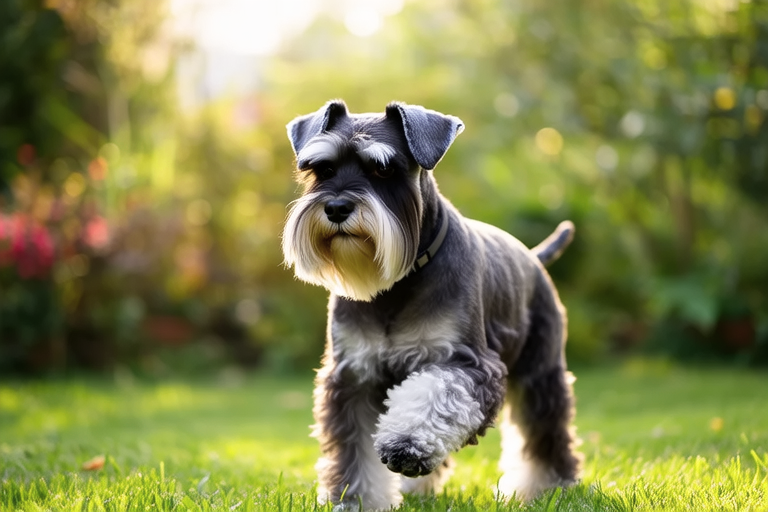
The Ultimate Guide to Raising a Healthy Schnauzer
Raising a healthy schnauzer involves more than just providing food and shelter; it requires a comprehensive approach to ensure your furry friend enjoys a long, happy, and healthy life. From proper nutrition and exercise to grooming and socialization, this guide covers all the essential aspects of schnauzer care.
Proper Diet and Nutrition Tailored for Schnauzers
A balanced diet is crucial for maintaining your schnauzer’s health. Schnauzers have specific dietary needs due to their size, activity levels, and potential genetic predispositions to certain health conditions. A high-quality dog food that meets the Association of American Feed Control Officials (AAFCO) standards is recommended. Look for foods rich in protein, moderate in fat, and low in carbohydrates. Avoid foods containing artificial preservatives, colors, and flavors. Consult with a veterinarian to determine the right amount of food based on your schnauzer’s age, weight, and activity level.
Water is equally important. Always provide fresh, clean water for your schnauzer. Dehydration can lead to serious health problems, so monitor your dog’s water intake, especially during hot weather or after intense physical activities.
Exercise Routines Suitable for Different Life Stages
Schnauzers are energetic dogs that require regular exercise to stay fit and healthy. However, the type and duration of exercise may vary depending on your schnauzer’s age and stage of life.
Puppies (0-1 Year)
Young schnauzers need plenty of playtime but should avoid excessive jumping and running, which could harm their developing joints. Short walks, play sessions in a fenced yard, and interactive toys are ideal. Aim for about 15-20 minutes of exercise twice daily.
Adults (1-6 Years)
Adult schnauzers benefit from more vigorous activities. Daily walks of at least 30 minutes, jogging, swimming, and playing fetch are great options. These exercises help keep them physically active while also stimulating their minds.
Seniors (7+ Years)
Senior schnauzers may slow down, but they still need regular exercise to maintain muscle tone and mobility. Gentle walks, short play sessions, and low-impact activities like walking on a leash or swimming are beneficial. Monitor your senior schnauzer closely for signs of fatigue or discomfort.
Grooming Tips to Maintain Their Coat Health
Schnauzers are known for their distinctive coats, which require regular grooming to keep them looking their best. Proper grooming also helps prevent skin issues and ensures your schnauzer feels comfortable.
Bathing
Regular baths are necessary to remove dirt and oils from your schnauzer’s coat. Use a gentle, pH-balanced shampoo specifically designed for dogs. Bathe your schnauzer every 4-6 weeks, or as needed. After bathing, thoroughly dry your schnauzer to prevent skin irritation.
Brushing
Brush your schnauzer’s coat regularly, ideally daily, to prevent matting and tangles. Use a slicker brush to remove loose hair and distribute natural oils throughout the coat. Pay special attention to areas prone to matting, such as behind the ears and around the tail.
Haircuts
Schnauzers often require professional grooming to maintain their signature look. Regular haircuts are necessary to trim the beard, eyebrows, and other areas prone to matting. Professional groomers can also help with shaping and trimming to keep your schnauzer’s coat neat and tidy.
Common Health Issues Faced by Schnauzers and Preventive Measures
While schnauzers are generally healthy dogs, they are prone to certain health issues. Being aware of these potential problems and taking preventive measures can help ensure your schnauzer stays healthy.
Health Issues
- Bladder Stones: These can cause painful urination and blockages.
- Allergies: Schnauzers can develop allergies to food, environmental factors, or flea bites.
- Diabetes: This condition affects blood sugar levels and can lead to serious complications if left untreated.
- Heart Disease: Some schnauzers may be predisposed to heart problems.
Preventive Measures
Regular veterinary check-ups are crucial for early detection and treatment of health issues. Keep your schnauzer’s vaccinations up to date and follow a parasite control program. Provide a balanced diet and maintain a healthy weight to reduce the risk of obesity-related health problems. Additionally, consider genetic testing to identify any potential hereditary conditions.
Training Methods That Work Best with Schnauzer’s Temperament
Schnauzers are intelligent, independent dogs that respond well to positive reinforcement training methods. Consistency and patience are key when training your schnauzer.
Positive Reinforcement
Use treats, praise, and affection to reward good behavior. Schnauzers thrive on mental stimulation, so incorporate games and puzzles into your training routine. Be patient and consistent, and avoid harsh corrections, which can lead to fear or aggression.
Early Socialization
Expose your schnauzer to various environments, people, and animals from an early age. This helps build confidence and reduces the likelihood of behavioral issues later in life. Positive experiences during socialization can make your schnauzer a well-rounded, friendly companion.
Advice on Socializing Your Schnauzer for a Well-Adjusted Pet
Proper socialization is vital for raising a well-adjusted schnauzer. Early exposure to different stimuli helps your dog become comfortable in various situations and around different people and animals.
Start Early
Begin socializing your schnauzer as soon as you bring them home. Expose them to different environments, sounds, and experiences gradually and positively. This helps build confidence and reduces the risk of anxiety or aggression.
Encourage Positive Interactions
Ensure that all social interactions are positive and stress-free. Introduce your schnauzer to new people and animals in controlled settings. Reward calm and friendly behavior with treats and praise.
Join Dog Training Classes
Enroll your schnauzer in obedience classes to enhance their social skills and learn new commands. These classes provide opportunities for supervised interactions with other dogs and handlers.
Creating a Nurturing Environment for Your Schnauzer’s Overall Wellbeing
To ensure your schnauzer leads a fulfilling life, create a nurturing environment that promotes physical, emotional, and mental health.
Safe Living Space
Create a safe living space for your schnauzer, free from hazards such as toxic plants, small objects, and dangerous chemicals. Provide a cozy bed or crate where your schnauzer can retreat for comfort and rest.
Mental Stimulation
Provide toys and activities that stimulate your schnauzer’s mind. Puzzle toys, interactive feeders, and treat-dispensing devices can help keep your schnauzer mentally engaged.
Companionship
Schnauzers are social dogs that enjoy the company of their human family. Spend quality time with your schnauzer through play, cuddling, and outdoor activities. Consider getting another dog if you’re away from home frequently to provide companionship.
Consistent Routine
Dogs thrive on routine. Establish a consistent schedule for feeding, exercise, and bedtime to provide a sense of security and predictability. This helps reduce stress and anxiety, promoting better behavior and overall health.
Conclusion
Raising a healthy schnauzer requires attention to detail and a commitment to their overall wellbeing. By providing proper nutrition, exercise, grooming, and socialization, you can ensure your schnauzer lives a long, happy, and healthy life. Remember to consult with a veterinarian for personalized advice and guidance throughout your schnauzer’s life.
