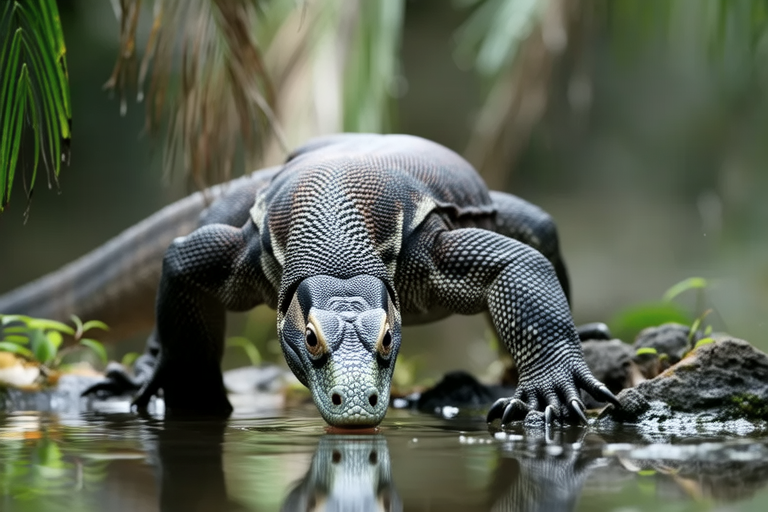
The Secret Life of the Water Monitor: Insights into its Behavior and Care
The water monitor (Varanus salvator) is one of the largest lizards in the world, known for its impressive size, agility, and adaptability. Native to Southeast Asia, this species thrives in a variety of environments, from dense jungles to mangrove swamps. Understanding the water monitor’s natural habitat, diet, and behavior is crucial for anyone considering keeping one as a pet. This article delves into the secrets of the water monitor’s life, offering insights into its care requirements and behavioral nuances.
Natural Habitat and Adaptability
Water monitors inhabit a diverse range of habitats, including freshwater rivers, lakes, and marshes, as well as coastal areas with brackish water. They are excellent swimmers, often spending more time in the water than on land. Their ability to thrive in such varied environments is a testament to their adaptability. In the wild, they can be found basking on rocks, climbing trees, or lurking in the underbrush, always on the lookout for prey.
Dr. Sarah Thompson, a herpetologist at the University of Florida, explains, “Water monitors are incredibly versatile. They have evolved to exploit different niches within their environment, which makes them fascinating subjects for study.”
Diet and Feeding Habits
In the wild, water monitors are opportunistic feeders, consuming a wide variety of prey, including insects, small mammals, birds, fish, and even carrion. Their diet reflects their omnivorous nature, making them highly adaptable to different food sources. As pets, it is essential to replicate this diversity in their diet to ensure they receive all necessary nutrients.
Experts recommend a diet that includes a mix of lean proteins like mice, rats, and fish, along with occasional fruits and vegetables. Regular feeding should include calcium and vitamin supplements to support bone health and overall well-being. Dr. Thompson advises, “It’s important to vary the diet to mimic their natural feeding patterns and provide a balanced nutrition.”
Behavior in the Wild
Water monitors are highly active and curious creatures. In the wild, they are constantly exploring their surroundings, using their keen senses to locate prey and avoid predators. They are also known for their intelligence, capable of problem-solving and learning from experience. This intelligence translates into their interactions with humans, making them both intriguing and challenging pets.
One notable behavior is their use of scent marking. Water monitors release a musky odor from glands near their cloaca to mark territory and communicate with other members of their species. This behavior can sometimes be observed in captivity, especially during breeding season.
Care Requirements for Pet Owners
Keeping a water monitor as a pet requires careful consideration and preparation. These animals grow quickly and can reach lengths of up to seven feet, necessitating spacious enclosures. A large, custom-built terrarium with ample swimming space is ideal. The enclosure should also provide plenty of vertical space for climbing and basking areas.
Temperature regulation is critical for the health of your water monitor. They require a warm basking area of around 95-100°F (35-38°C) and a cooler area for thermoregulation. UVB lighting is essential to promote calcium absorption and prevent metabolic bone disease. Regular monitoring of humidity levels is also important, as water monitors need a humid environment to maintain healthy skin and mucous membranes.
Feeding Your Water Monitor
Feeding a water monitor can be both a challenge and a delight. These animals have voracious appetites and can consume large quantities of food. It is crucial to offer a varied diet to meet their nutritional needs. Young monitors may eat daily, while adults can be fed every few days. Always supervise feeding sessions to prevent overeating or aggressive behavior towards feeder animals.
Personal anecdote: “I once had a water monitor named Charlie who would eagerly await his meals. He was so enthusiastic that I had to keep his feeder mice in a separate container to prevent him from snatching them before I could place them in the enclosure,” shares Mark, a seasoned reptile keeper.
Enrichment Activities
To keep your water monitor mentally stimulated and physically active, provide enrichment activities that mimic their natural behaviors. Floating logs or branches can serve as perches for basking and climbing. Puzzle feeders can encourage foraging behaviors. Additionally, regular interaction and handling can help build trust and reduce stress.
Expert opinion: “Regular interaction is key to maintaining a healthy relationship with your water monitor. It helps them become more comfortable with human presence, which is beneficial for both their mental and physical health,” says Dr. Thompson.
Common Health Issues and Signs of Distress
Like any pet, water monitors can suffer from various health issues. Metabolic bone disease, caused by insufficient calcium or vitamin D3, is a common concern. Signs include softening of the bones, difficulty moving, and swollen limbs. Respiratory infections can also occur, characterized by labored breathing, nasal discharge, and lethargy. Regular veterinary check-ups are recommended to catch and treat these conditions early.
Monitoring your water monitor’s behavior and appearance is crucial. Sudden changes in appetite, activity level, or skin condition can indicate underlying health problems. Early intervention can often prevent more serious complications.
Conclusion
The water monitor is a remarkable creature with a fascinating life in the wild and unique care requirements as a pet. By understanding their natural habitat, diet, and behavior, you can provide a safe and enriching environment for your water monitor. With proper care, these intelligent and adaptable lizards can make rewarding companions. However, due to their size and specific needs, they are best suited for experienced reptile owners with the resources and knowledge to meet their complex care requirements.
