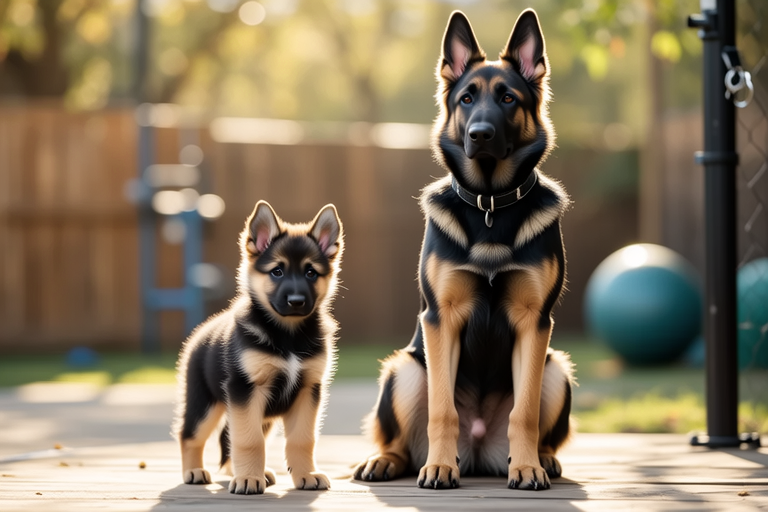
From Puppy to Prodigy: Raising a Well-Behaved German Shepherd
Introduction
German Shepherds are among the most intelligent and versatile breeds, renowned for their loyalty, strength, and keen sense of duty. Originally bred for herding, they have since found their place in numerous roles, from police and military work to therapy and service dogs. Their remarkable adaptability makes them ideal companions for families, but this also means that proper guidance is crucial during their formative years. From puppyhood to adulthood, German Shepherds require careful nurturing to develop into well-behaved and reliable pets. This article will guide you through the process of raising your German Shepherd, from initial socialization to advanced training techniques.
Early Socialization Techniques
The first few months of a German Shepherd’s life are critical for their development. Early socialization plays a pivotal role in shaping their behavior and ensuring they grow into confident, well-adjusted adults. Exposing your puppy to various environments, sounds, and people is essential. Introduce them to different surfaces, such as grass, concrete, and carpet, to help them become comfortable in any setting. Familiarize them with common household appliances, like vacuum cleaners and washing machines, to prevent fear-based reactions later on. Additionally, invite friends and family over to meet your puppy, ensuring they have positive interactions with a variety of people.
Establishing a Routine
Consistency is key when it comes to raising a German Shepherd. Establishing a daily routine for feeding, exercise, and training helps create structure and predictability in their lives. Feed your puppy at the same times each day to avoid confusion and promote healthy digestion. Regular meals also make it easier to manage weight and energy levels. Exercise is equally important, providing opportunities for physical and mental stimulation. Daily walks, play sessions, and interactive games keep your dog active and engaged. Training should be integrated into your routine, with short, focused sessions that reinforce desired behaviors.
Positive Reinforcement Training Methods
Positive reinforcement is the cornerstone of effective dog training. It involves rewarding desirable behaviors while ignoring or redirecting unwanted ones. Start by teaching basic commands like ‘sit,’ ‘stay,’ ‘come,’ and ‘heel.’ Use treats, praise, and affection to encourage compliance. For example, hold a treat above your puppy’s head and say ‘sit’ until they lower their bottom to the ground. Once they understand the command, gradually phase out treats and rely more on verbal praise. Consistency is vital; always reward correct responses immediately to reinforce learning.
Common Behavioral Issues and Solutions
German Shepherds, like all dogs, may exhibit certain behavioral challenges. Separation anxiety, excessive barking, and destructive chewing are common issues. Address separation anxiety by creating a calm environment when you leave and gradually increase the time spent away. Teach your dog that being alone is safe and enjoyable. For excessive barking, identify triggers and address them directly. If your dog barks at passersby, desensitize them by exposing them to the stimulus without rewarding the barking. Destructive chewing often stems from boredom or teething. Provide appropriate chew toys and rotate them regularly to maintain interest.
Mental Stimulation and Physical Activity
Mental and physical stimulation are crucial for German Shepherds, who are highly energetic and intelligent. Mental stimulation can be achieved through puzzle toys, obedience training, and interactive games. These activities challenge their minds and provide outlets for problem-solving. Physical activity is equally important, helping to burn off excess energy and maintain good health. Regular exercise prevents boredom-related behaviors and ensures your dog remains fit and agile. Incorporate a mix of activities, such as running, hiking, and agility training, to keep things interesting.
Transforming a Puppy into a Prodigy
The journey of raising a German Shepherd from puppy to prodigy is both challenging and rewarding. Consistent training, love, and patience are essential in shaping their behavior. By following the guidelines outlined in this article, you can foster a well-behaved, loyal companion. Remember, every dog is unique, and what works for one may not work for another. Be patient, adapt your approach as needed, and enjoy the process of watching your German Shepherd grow into a confident and capable adult. The bond you build with your dog is a testament to the effort and care you’ve invested, making the experience truly fulfilling.
