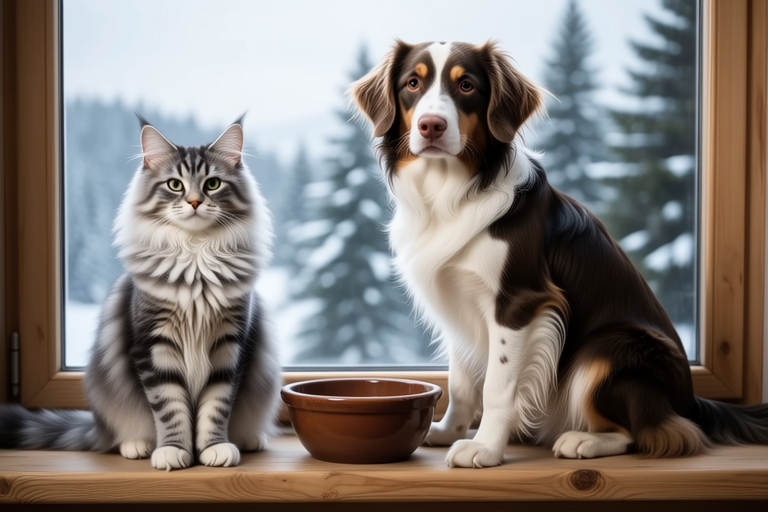
The Unique Traits That Make Norwegian Pets Stand Out from the Crowd
Welcome to a journey into the world of Norwegian pets! This article delves into the distinctive characteristics that set Norwegian pets apart, from their popular breeds and unique care practices to their dietary habits and exercise routines. We will also explore the cultural influences on pet ownership in Norway and how Norwegian pets contribute positively to their communities and families.
Popular Breeds in Norway
Norway has a rich history with certain dog breeds that have become particularly popular due to their suitability for the country’s climate and terrain. The Norwegian Elkhound, for instance, is a quintessential example of a breed that thrives in the harsh Nordic environment. Known for its resilience and loyalty, this breed is often used for hunting and herding, showcasing its versatility. Another favorite is the Lundehund, a rare breed with six toes on each foot, which makes it exceptionally adept at navigating rugged cliffs and rocky shores.
Cats are also cherished companions in Norway. The Norwegian Forest Cat, or ‘Skogkatt,’ is a majestic feline known for its thick, water-resistant coat, making it well-suited for the cold Norwegian winters. These cats are not only beautiful but also independent and playful, qualities that make them beloved by many Norwegians.
Unique Care Practices
In Norway, pet care is taken seriously, and there are several unique practices that reflect the country’s commitment to animal welfare. One such practice is the emphasis on regular veterinary check-ups. According to a survey conducted by the Norwegian Veterinary Association, over 90% of pet owners ensure their pets receive annual health examinations. This proactive approach helps detect potential health issues early, ensuring longer, healthier lives for pets.
Norwegian pet owners also place a high value on mental stimulation for their animals. Dogs, in particular, benefit from various interactive toys and games designed to challenge their minds. For instance, puzzle feeders that require problem-solving to release treats are widely used. This not only keeps dogs entertained but also promotes cognitive development.
Dietary Habits
The dietary habits of Norwegian pets are influenced by both traditional practices and modern nutritional science. Many pet owners opt for high-quality, locally sourced ingredients when preparing homemade meals for their pets. This trend is supported by the availability of organic and ethically produced meat products in Norway, ensuring pets receive nutritious food while supporting sustainable farming practices.
For commercial pet foods, there is a growing preference for grain-free and hypoallergenic options. These diets cater to pets with specific dietary needs, reducing the risk of allergies and digestive issues. Additionally, some pet owners incorporate supplements like fish oil, rich in omega-3 fatty acids, to promote skin and coat health.
Exercise Routines
The Norwegian landscape provides ample opportunities for outdoor activities, and this extends to pet exercise routines. Dogs, in particular, enjoy long walks through forests, along beaches, and across mountains. The Norwegian government has implemented policies to protect natural areas, creating numerous parks and trails where pets can safely roam.
Winter sports are also popular among Norwegian pets. Sled dog racing, for example, is a tradition that dates back centuries. Today, many families participate in recreational mushing, taking their dogs out for winter adventures. This activity not only keeps dogs fit but also strengthens the bond between pets and their human companions.
Cultural Influences on Pet Ownership
Pet ownership in Norway is deeply rooted in the country’s cultural heritage. Historically, dogs were valued for their utility, assisting in hunting, herding, and protecting livestock. Over time, this utilitarian relationship evolved into one of companionship and affection. Today, pets are considered integral members of the family, and their well-being is a priority for many Norwegians.
The concept of ‘friluftsliv,’ or open-air living, is central to Norwegian culture. This philosophy emphasizes spending time outdoors and appreciating nature. As a result, pets are often included in outdoor activities, fostering a strong connection between pets and their natural surroundings.
Positive Contributions to Communities and Families
Norwegian pets play a significant role in enhancing the quality of life for their human companions. Research has shown that interacting with pets can reduce stress levels, lower blood pressure, and improve overall mental health. In families, pets provide unconditional love and companionship, helping to build stronger bonds between family members.
Community involvement is another area where Norwegian pets excel. Therapy dogs, for instance, visit hospitals, nursing homes, and schools, bringing joy and comfort to those in need. Stories abound of how these visits brighten the days of patients and residents, providing moments of happiness and distraction from their ailments.
One such story involves a therapy dog named Luna, who regularly visits a local children’s hospital. Her gentle demeanor and playful nature have brought smiles to countless faces. Children who might otherwise be withdrawn due to illness find solace in playing with Luna, and the positive impact on their recovery is evident.
Conclusion
The unique traits of Norwegian pets stem from a combination of genetic predisposition, cultural values, and environmental factors. From their popular breeds and unique care practices to their dietary habits and exercise routines, Norwegian pets stand out as exceptional companions. Their positive contributions to families and communities further underscore their importance in Norwegian society.
As we continue to learn more about the needs and behaviors of our animal friends, it is clear that the love and respect Norwegians have for their pets enriches their lives in countless ways. Whether through companionship, outdoor adventures, or community service, Norwegian pets truly make a difference.
