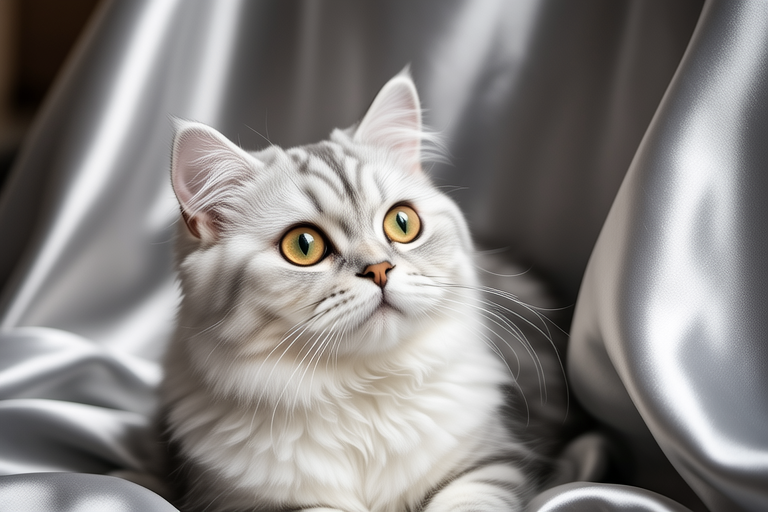
The British Shorthair Cat: A Fluffy Silver Companion
The British Shorthair is a breed of domestic cat known for its distinctive plush, silver coat and its charming, gentle demeanor. This breed has a rich history and has become increasingly popular over the years for its endearing qualities. From its origins to its current status as one of the most beloved cat breeds, this article will explore the history, characteristics, and reasons why the British Shorthair makes an excellent pet.
History and Origins
The British Shorthair’s origins trace back to ancient times, where these cats were brought to Britain by the Romans. Initially used as working cats to control rodent populations, they adapted well to the British climate and environment. Over time, these felines interbred with local domestic cats, leading to the development of the British Shorthair breed. In the late 19th century, cat fanciers began to standardize the breed, and it was officially recognized by the Governing Council of the Cat Fancy (GCCF) in 1912. The breed nearly disappeared during World War II due to the lack of breeding programs, but dedicated breeders worked tirelessly to revive it, leading to its resurgence in popularity.
Distinguishing Features
One of the most striking features of the British Shorthair is its plush, dense, and short fur, which gives it a robust, rounded appearance. The silver coat, often referred to as chinchilla, is a hallmark of the breed, although they come in various colors, including black, blue, white, red, and cream. Their large, round eyes, typically copper or green, add to their charming and expressive appearance. Another distinctive feature is their broad head, short neck, and powerful body, making them look like miniature lions.
Temperament and Personality
The British Shorthair is renowned for its calm, gentle, and affectionate nature. They are known to be laid-back and patient, making them ideal companions for families with children and other pets. These cats enjoy human company and often seek out attention, but they are not overly demanding or clingy. They are independent and can entertain themselves when necessary, but they also appreciate regular interaction and playtime. Their even-tempered disposition makes them a joy to have around, and they are rarely aggressive or prone to sudden mood swings.
Health Considerations
British Shorthairs are generally healthy cats with few genetic predispositions to specific diseases. However, some health issues may arise if proper care is not provided. One common concern is obesity, as these cats tend to gain weight easily. It is essential to monitor their diet and provide opportunities for exercise to maintain a healthy weight. Regular veterinary check-ups, vaccinations, and dental care are crucial for keeping your British Shorthair in optimal health. Additionally, certain hereditary conditions, such as hypertrophic cardiomyopathy (HCM), may affect some individuals, so it is advisable to purchase from reputable breeders who conduct genetic testing.
Grooming Needs
Despite their thick, plush coats, British Shorthairs require minimal grooming compared to long-haired breeds. Weekly brushing with a slicker brush helps remove loose hair and prevents matting. Bathing is usually unnecessary unless the cat gets into something particularly messy. Claw trimming, dental hygiene, and ear cleaning are other essential grooming tasks to keep your cat looking and feeling its best. Regular grooming sessions also provide an opportunity to bond with your cat and check for any skin issues or abnormalities.
Typical Behaviors
The British Shorthair is a relatively inactive breed, often preferring to relax and observe rather than engage in high-energy activities. They are known for their playful yet reserved nature, enjoying interactive toys and games without becoming overly hyperactive. These cats are intelligent and can learn simple tricks, making training sessions enjoyable for both you and your pet. Their curiosity and investigative nature make them great indoor companions, and they often find ways to amuse themselves with household items.
Why British Shorthairs Make Excellent Pets
British Shorthairs are highly sought after as pets due to their numerous positive traits. Their calm and gentle nature makes them perfect for families with young children and other pets. They are patient and tolerant, rarely showing signs of aggression or irritation. Their adaptability allows them to thrive in various living environments, from small apartments to spacious homes. The breed’s intelligence and trainability make them easy to handle, and their affectionate demeanor ensures they will always be there to offer comfort and companionship.
Compatibility with Families
British Shorthairs are known for their excellent compatibility with families. They are gentle, patient, and tolerant, making them ideal companions for households with children and other pets. Their relaxed demeanor means they can handle the occasional roughhousing or unexpected noise, and their affectionate nature ensures they will always be there to offer comfort and companionship. They are also adaptable to various living environments, from small apartments to spacious homes, making them suitable for families of all sizes and lifestyles.
Unique Traits
What sets the British Shorthair apart from other breeds is their distinctive appearance and personality. Their plush, silver coat, combined with their robust, rounded physique, gives them a unique and recognizable look. Their calm and gentle nature, coupled with their intelligence and trainability, makes them stand out as exceptional companions. Their adaptability and compatibility with families further enhance their appeal, making them a top choice for many cat lovers.
Tips for Potential Owners
If you’re considering adopting a British Shorthair, here are some tips to ensure a smooth transition:
- Choose a Reputable Breeder: Purchase your kitten from a reputable breeder who prioritizes the health and well-being of their cats. Ask about the breeder’s experience, breeding practices, and any health guarantees they offer.
- Prepare Your Home: Create a comfortable, safe space for your new cat, complete with a litter box, scratching post, toys, and cozy bedding. Ensure your home is free from hazards that could harm your cat.
- Gradual Introduction: If you have other pets, introduce your new British Shorthair gradually to minimize stress and conflict. Allow them to get accustomed to each other’s scents before meeting face-to-face.
- Regular Veterinary Care: Schedule routine veterinary visits to ensure your cat remains healthy and up-to-date on vaccinations and preventive treatments. Discuss any concerns with your veterinarian and ask about breed-specific health issues.
- Provide Mental Stimulation: Engage your British Shorthair with interactive toys, puzzles, and play sessions to keep them mentally stimulated and prevent boredom. Rotate toys regularly to maintain their interest.
- Nutrition: Feed your British Shorthair a balanced diet appropriate for their age, size, and activity level. Consult with your veterinarian to determine the best food options for your cat’s individual needs.
- Exercise: Encourage regular physical activity through playtime and interactive toys. Provide opportunities for climbing, jumping, and exploring to keep your cat physically fit.
In conclusion, the British Shorthair is a delightful and charming breed that offers much to its owners. With their plush, silver coat, gentle demeanor, and excellent compatibility with families, they are a popular choice among cat enthusiasts. By understanding their unique needs and providing proper care, you can ensure a lifetime of happiness and companionship with your British Shorthair. Whether you’re a seasoned cat owner or a first-time pet parent, the British Shorthair is sure to bring joy and warmth into your home.
