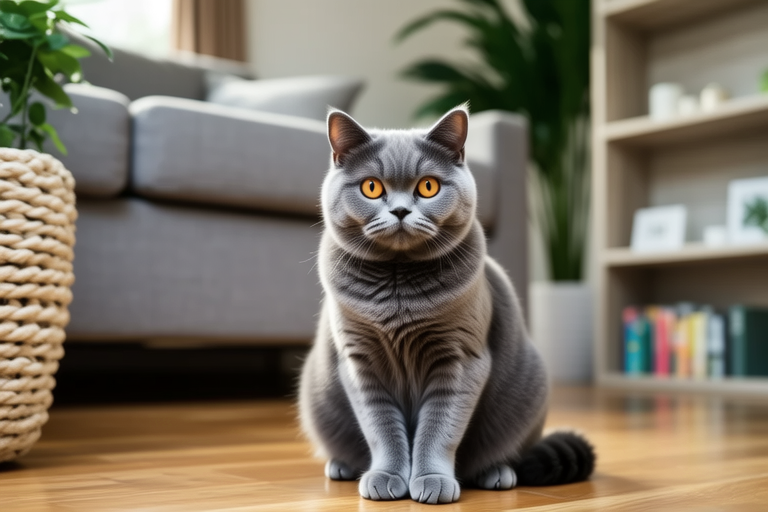
A Complete Guide to Caring for Your American Shorthair at Home
The American Shorthair is a breed of cat that has been around for centuries, and it is known for its friendly demeanor, easygoing nature, and striking appearance. If you are considering bringing an American Shorthair into your home, it’s important to understand how to care for this breed properly. This guide will cover essential topics such as diet and nutrition, grooming needs, exercise requirements, health concerns, suitable living environments, training tips, and bonding activities for American Shorthair cats. Whether you’re a new or experienced cat owner, this information will help you provide the best care for your feline friend.
Diet and Nutrition
Proper nutrition is crucial for the overall health and well-being of your American Shorthair. These cats have specific dietary needs that must be met to ensure they stay healthy and active. A balanced diet should include high-quality protein, fats, carbohydrates, vitamins, and minerals. You can feed your cat dry food, wet food, or a combination of both. It’s important to choose a brand that is specifically formulated for cats and meets their nutritional requirements. Always check the ingredients list and avoid foods that contain fillers or artificial preservatives.
Water is also an essential part of your cat’s diet. Make sure there is always fresh water available in a clean bowl. Some cats prefer running water, so consider investing in a pet fountain to encourage them to drink more. Additionally, you can offer occasional treats as rewards during training sessions or as a special treat. However, treats should only make up a small portion of your cat’s daily calorie intake.
Grooming Needs
Despite their short coat, American Shorthairs still require regular grooming to maintain their coat’s health and appearance. Brushing your cat once or twice a week with a soft-bristled brush or a rubber grooming mitt will help remove loose hair and distribute natural oils throughout the coat. This will also prevent matting and reduce shedding in your home.
Bathing your American Shorthair is generally not necessary unless they get particularly dirty or have a medical condition that requires it. If you do need to bathe your cat, use a mild shampoo specifically formulated for cats and be gentle when rinsing to avoid irritating their skin. After bathing, dry your cat thoroughly with a towel or a blow dryer set on low heat.
Regular nail trimming is also important to prevent overgrown nails from causing discomfort or injury. Use a pair of clippers designed for cats and trim the tips of the nails, being careful not to cut into the quick (the pink part inside the nail). If you’re unsure about how to trim your cat’s nails, consult your veterinarian for guidance.
Exercise Requirements
American Shorthairs are relatively inactive compared to other breeds, but they still need some form of physical activity to stay healthy and happy. Providing toys and interactive games can help stimulate your cat mentally and physically. Consider purchasing puzzle feeders, laser pointers, feather wands, and other toys that encourage play and exploration. Rotate the toys regularly to keep your cat interested.
In addition to playing with your cat, you can create an environment that encourages movement. Set up climbing structures, perches, and scratching posts to give your cat opportunities to stretch and exercise. Encourage your cat to jump and climb by placing treats or toys on elevated surfaces. Regular exercise can help prevent obesity and other health issues associated with a sedentary lifestyle.
Health Concerns
Like all breeds, American Shorthairs are prone to certain health problems. Some of the most common conditions include hypertrophic cardiomyopathy (HCM), polycystic kidney disease (PKD), and hip dysplasia. To prevent these issues, it’s important to take your cat for regular veterinary check-ups and follow your vet’s recommendations for preventive care.
Obesity is another concern for American Shorthairs, especially if they are not getting enough exercise. To prevent weight gain, monitor your cat’s food intake and adjust portion sizes as needed. Encourage regular playtime and provide opportunities for physical activity. If your cat is overweight, consult your veterinarian for advice on a safe weight loss plan.
Suitable Living Environments
American Shorthairs are adaptable cats that can thrive in various living situations, including apartments, houses, and multi-pet households. However, they do require a safe and comfortable environment where they can feel secure. Provide plenty of hiding spots, such as under furniture or behind curtains, to give your cat a sense of security. Consider adding a cat tree or tower to give your cat vertical space to explore and climb.
If you live in a multi-pet household, introduce your new cat gradually to other animals to prevent conflicts. Monitor interactions closely and separate pets if necessary. If you have children, teach them how to interact gently with your cat and supervise all interactions to ensure everyone’s safety.
Training Tips
While cats are often thought of as independent creatures, they can be trained to respond to basic commands and cues. Positive reinforcement is the most effective method for training your American Shorthair. Reward desired behaviors with treats, praise, or playtime, and ignore unwanted behaviors. Consistency is key, so use the same command words and rewards each time you train your cat.
Common commands to teach your cat include “sit,” “come,” and “stay.” Start by holding a treat close to your cat’s nose and slowly moving it upward, which should encourage your cat to sit. Once your cat sits, say the command word and give the treat as a reward. Repeat this process several times until your cat responds to the command without the treat. Similarly, you can teach your cat to come when called by associating the command with a positive experience, such as playtime or treats.
Bonding Activities
Bonding with your American Shorthair is essential for building a strong relationship and ensuring your cat’s emotional well-being. Spend quality time with your cat every day through play, cuddling, and grooming. Pay attention to your cat’s body language and vocalizations to understand their needs and preferences. Some cats enjoy being brushed or petted, while others may prefer interactive play or simply sitting next to you.
Another way to bond with your cat is through clicker training. Clicker training involves using a small handheld device that makes a clicking sound to mark desired behaviors. When your cat performs a behavior you want to reinforce, click the clicker and immediately give a treat. Over time, your cat will associate the click with a reward and learn to repeat the behavior. Clicker training can be used to teach a variety of behaviors, from basic commands to more complex tricks.
Common Challenges and Solutions
One of the most common challenges for cat owners is litter box training. If your American Shorthair is having accidents outside the litter box, it could be due to several factors, including stress, illness, or an unsuitable litter box setup. To address this issue, try cleaning the litter box more frequently, providing multiple boxes in different locations, and using a litter that your cat prefers. Consult your veterinarian if the problem persists, as it could indicate an underlying health issue.
Another challenge is dealing with destructive behavior, such as scratching furniture or knocking things over. Provide appropriate outlets for your cat’s natural instincts, such as scratching posts and interactive toys. Redirect your cat’s attention to these items when they engage in destructive behavior. If necessary, use deterrent sprays or covers to protect your belongings.
Lastly, some cats may become anxious or stressed in certain situations, such as during thunderstorms or fireworks. Create a safe and comfortable space for your cat to retreat to during stressful events, and consider using calming pheromone diffusers or supplements to help reduce anxiety. Spend extra time with your cat during these periods to provide comfort and reassurance.
Conclusion
Caring for an American Shorthair requires attention to their dietary needs, grooming, exercise, health concerns, living environment, training, and bonding activities. By following the advice in this guide, you can provide your cat with a happy, healthy, and fulfilling life. Remember that every cat is unique, so pay attention to your individual cat’s needs and preferences. With proper care and attention, your American Shorthair will be a beloved member of your family for many years to come.
