The Surprising Reasons Why Chameleons Make Unique Pets
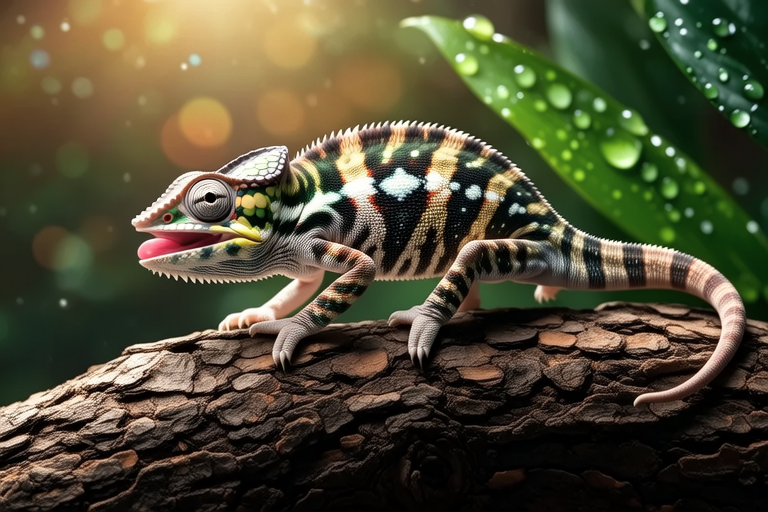
Chameleons have long captivated the imagination of people around the world with their extraordinary abilities and distinctive features. These fascinating creatures belong to the family Chamaeleonidae, which comprises approximately 200 species. Native to Africa, Madagascar, southern Europe, and parts of Asia, chameleons thrive in diverse environments ranging from rainforests to deserts. Their ability to change colors, coupled with their unique physical adaptations, makes them one of the most intriguing reptiles.
Natural Habitats and Adaptations
Chameleons inhabit various ecosystems, each offering distinct challenges that have shaped their remarkable adaptations. In the dense rainforests of Madagascar, where many chameleon species originate, they have evolved to blend seamlessly into their surroundings. Their prehensile tails, zygodactylous feet (feet with two toes pointing forward and two backward), and elongated tongues aid in climbing and catching prey efficiently. These physical traits enable them to navigate complex environments while minimizing energy expenditure.
Unique Characteristics: Color-Changing Abilities and Specialized Tongues
One of the most striking features of chameleons is their ability to change color. This adaptation serves multiple purposes beyond camouflage. By altering hues, chameleons can communicate their mood, health status, and intentions to other chameleons. For instance, vibrant colors may indicate aggression or readiness to mate, while duller tones suggest relaxation or submission. The process of color change involves specialized cells called chromatophores, which contain pigments responsible for coloration.
Another remarkable feature is their tongue, which can extend up to twice the length of their body. This extraordinary adaptation allows chameleons to catch insects from considerable distances. The tongue’s speed—reaching speeds of over 26 feet per second—enables them to secure prey before it has time to react. This efficient hunting mechanism is a testament to the chameleon’s evolutionary success.
Care Requirements: Diet, Housing, and Environmental Needs
Owning a chameleon requires careful consideration of their specific needs to ensure optimal health and well-being. A balanced diet is crucial for maintaining their vitality. Insects such as crickets, mealworms, and wax moths form the core of their diet. It is essential to gut-load these insects with nutritious foods prior to feeding them to your chameleon. Additionally, supplementing their diet with calcium and vitamin D3 helps prevent metabolic bone disease, a common ailment among captive chameleons.
Housing is another critical aspect of chameleon care. A spacious vivarium that mimics their natural habitat is ideal. The enclosure should provide ample vertical space, as chameleons are arboreal and prefer climbing. Branches, vines, and artificial plants create a stimulating environment that encourages exercise and exploration. Proper ventilation is necessary to maintain humidity levels between 40% and 70%, depending on the species. Temperature gradients within the enclosure should range from 75°F to 95°F (24°C to 35°C) during the day, with a slight drop at night.
Lighting plays a vital role in chameleon husbandry. UVB lighting is essential for vitamin D synthesis, which aids in calcium absorption. Full-spectrum lighting also contributes to overall health by promoting natural behaviors and reducing stress. Providing basking spots with temperatures reaching 100°F (38°C) ensures thermoregulation, allowing your chameleon to regulate its body temperature effectively.
Why Chameleons Are Unique Compared to Common Pets
Compared to traditional pets like dogs or cats, chameleons offer a unique experience that appeals to those seeking something different. Their solitary nature makes them ideal for individuals who enjoy observing rather than interacting directly with their pets. Unlike social animals that require companionship, chameleons are independent and thrive when left undisturbed. This characteristic can be particularly appealing for busy professionals or those who prefer low-maintenance pets.
Moreover, chameleons’ exotic appearance sets them apart from more conventional pets. Their vibrant colors, distinctive facial structures, and unique behaviors make them visually captivating. Watching a chameleon change color or extend its tongue to catch prey provides endless fascination for both novice and experienced reptile enthusiasts alike.
Surprising Facts About Chameleon Behavior and Intelligence
Despite their reputation for being solitary creatures, chameleons exhibit complex social behaviors. Studies have shown that they can recognize individual members of their species and respond differently based on familiarity. Some species even engage in elaborate courtship rituals involving color displays and vocalizations. Understanding these interactions offers valuable insights into chameleon psychology and communication.
Recent research suggests that chameleons possess higher cognitive abilities than previously thought. They demonstrate problem-solving skills and memory retention, indicating a level of intelligence comparable to birds and mammals. For example, chameleons can learn to associate certain stimuli with rewards, such as food, and adapt their behavior accordingly. This intelligence adds another layer of intrigue to keeping chameleons as pets, as owners can observe and encourage their cognitive development.
The Commitment Required for Owning a Chameleon
While chameleons offer a unique and rewarding pet experience, it is important to recognize the commitment involved in providing proper care. Ensuring a healthy environment requires ongoing attention to detail, including regular maintenance of the vivarium, monitoring temperature and humidity levels, and adjusting lighting schedules. Feeding a balanced diet and addressing any health concerns promptly are also essential responsibilities.
Owners must be prepared to invest time in learning about chameleon biology, behavior, and care requirements. Resources such as books, online forums, and local reptile clubs can provide valuable information and support. Building a community of fellow chameleon enthusiasts fosters shared knowledge and experiences, enhancing the overall pet ownership journey.
The Rewards of Having a Chameleon as a Pet
Despite the challenges, owning a chameleon can be incredibly rewarding. Observing their daily routines, watching them display their colors, and witnessing their natural behaviors offer a sense of connection and wonder. Each chameleon has its own personality, making them fascinating companions. The satisfaction of successfully caring for these unique creatures and contributing to their well-being is immeasurable.
In conclusion, chameleons make exceptional pets for those willing to embrace the responsibility and rewards of their care. Their captivating appearance, intriguing behaviors, and intellectual capabilities set them apart from more common pets. By understanding and meeting their specific needs, owners can create a thriving environment that allows chameleons to flourish. Whether you’re a seasoned reptile enthusiast or a newcomer to the world of exotic pets, a chameleon offers a one-of-a-kind experience that will captivate and inspire.
