Health Checks: Essential Tips for Keeping Your Guinea Pig Happy
Welcome to this comprehensive guide on how to ensure your guinea pig’s health and happiness. Whether you’re a seasoned pet owner or just bringing home your first furry friend, understanding the nuances of guinea pig care can make a significant difference in their quality of life. This article will cover everything from regular health check routines to dietary advice, exercise needs, grooming tips, and environmental considerations.
Regular Health Check Routines
Regular health checks are crucial for catching any potential issues early. Start by observing your guinea pig daily. Notice changes in behavior, appetite, and energy levels. A weekly thorough inspection can help identify problems before they become serious.
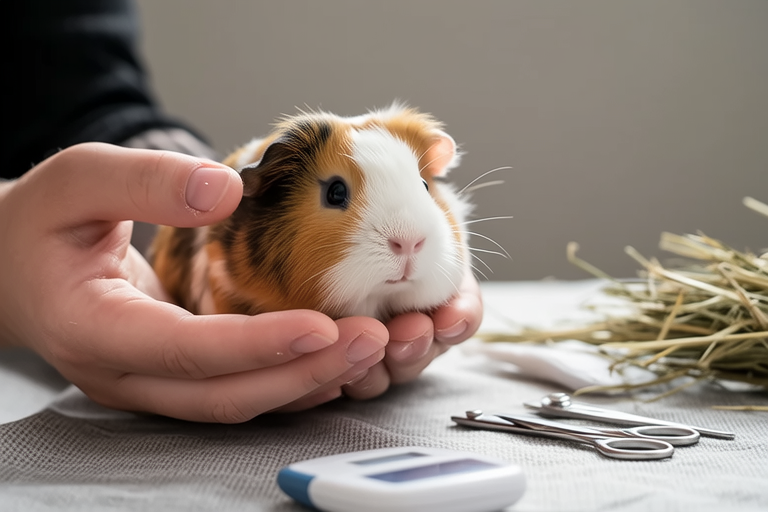
- Weight Check: Weigh your guinea pig regularly using a small digital scale. Significant weight loss or gain could indicate underlying health issues.
- Coat Examination: Run your hands over your guinea pig’s body to feel for lumps, bumps, or areas of discomfort. Check for signs of external parasites like fleas or mites.
- Tooth Inspection: Guinea pigs have continuously growing teeth that need to be monitored. Overgrown teeth can cause pain and affect eating habits. Look for sharp edges or drooling.
- Eyes and Ears: Ensure there’s no discharge or redness around the eyes. Clean any debris gently with a damp cotton ball. Inspect the ears for wax buildup or signs of infection.
Signs of Illness to Watch For
Early detection is key to treating illnesses effectively. Here are some common signs that may indicate your guinea pig isn’t feeling well:
- Lethargy: If your normally active guinea pig becomes unusually quiet or less mobile, it might be unwell.
- Changes in Appetite: Loss of interest in food or water can signal digestive issues.
- Fur Condition: Poor coat condition, such as bald patches or excessive shedding, can point towards stress or malnutrition.
- Breathing Issues: Wheezing, sneezing, or labored breathing suggests respiratory problems.
- Limping or Abnormal Posture: These symptoms could indicate joint pain or injury.
If you notice any of these signs, consult a veterinarian promptly.
Proper Diet and Nutrition Advice
A balanced diet is vital for maintaining good health. Guinea pigs require a mix of hay, fresh vegetables, pellets, and vitamin C supplements.
- Hay: Unlimited access to high-quality timothy hay is essential for digestion and dental health.
- Fresh Vegetables: Offer a variety of dark leafy greens like kale, spinach, and parsley. Limit acidic fruits to prevent diarrhea.
- Pellets: Provide a commercial guinea pig pellet that contains at least 18% fiber and no added sugars.
- Vitamin C: Supplement their diet with vitamin C-rich foods like bell peppers or orange slices. Consider vitamin C drops if necessary.
Rotate different types of vegetables to keep their diet interesting and provide a range of nutrients.
Exercise Needs
Physical activity promotes overall health and mental stimulation. Provide ample space for your guinea pig to explore and play.
- Playtime: Allow supervised time outside their cage each day. Use tunnels, balls, and chew toys to encourage movement.
- Running Wheels: While wheels are popular, ensure they are safe and appropriate for guinea pigs to avoid injuries.
- Environmental Enrichment: Introduce hiding spots, tunnels, and other items that mimic natural environments.
Exercise also helps maintain a healthy weight and reduces the risk of obesity-related diseases.
Grooming Tips
Regular grooming keeps your guinea pig clean and comfortable.
- Bathing: Avoid frequent baths as they can strip natural oils from the skin. Use a gentle pet-safe shampoo when needed.
- Nail Trimming: Keep nails short to prevent overgrowth. Use clippers designed for small animals and trim carefully to avoid cutting the quick.
- Tooth Care: As mentioned earlier, monitor tooth growth. Provide wooden chews or mineral blocks to help wear down teeth naturally.
- Brushing: Regular brushing removes loose fur and prevents hairballs. Choose a soft-bristled brush suitable for delicate coats.
Grooming sessions also offer bonding opportunities between you and your pet.
Environmental Considerations
The right environment plays a critical role in keeping your guinea pig healthy.
- Cage Setup: Provide a spacious cage with adequate ventilation and bedding. Use paper-based products instead of wood shavings which can irritate sensitive noses.
- Temperature Control: Maintain a consistent temperature between 65-75°F (18-24°C). Avoid placing the cage near drafts or direct sunlight.
- Social Interaction: Guinea pigs are social creatures. Consider adopting another compatible guinea pig for company if possible.
- Toys and Chewables: Supply plenty of toys and safe chewing materials to prevent boredom and destructive behaviors.
Creating a comfortable living space enhances both physical and emotional wellbeing.
Conclusion
Maintaining the health of your guinea pig involves proactive measures rather than reactive ones. By incorporating regular health checks, providing nutritious diets, ensuring sufficient exercise, maintaining proper grooming practices, and setting up ideal environments, you contribute significantly to your pet’s longevity and happiness. Remember, prevention is always better than cure when it comes to animal care.
