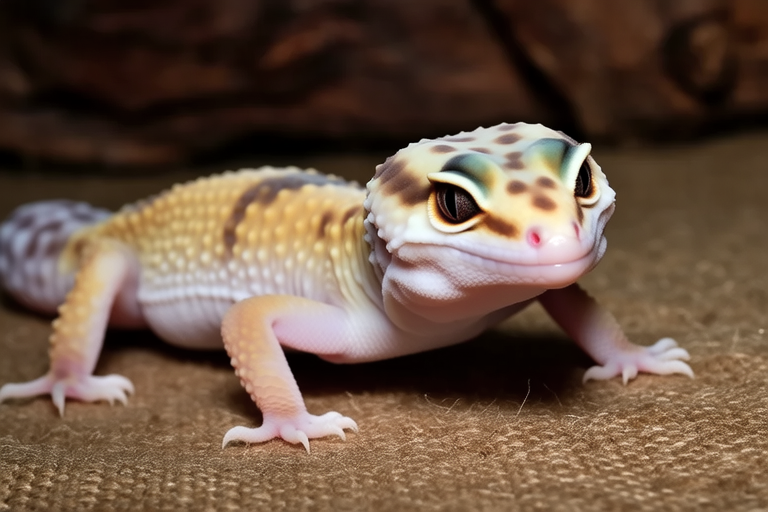
Leopard Gecko: The Perfect Pet for Beginners
Welcome to the wonderful world of reptiles! If you’re considering adopting a pet that’s unique yet manageable for first-time owners, look no further than the leopard gecko. These small, docile creatures are becoming increasingly popular among pet enthusiasts, and it’s easy to see why. Leopard geckos are relatively low-maintenance, require minimal space, and have fascinating behaviors that make them a joy to observe. This article will guide you through everything you need to know about owning a leopard gecko, from setting up their habitat to ensuring their health and happiness.
An Ideal Companion for Novice Owners
Leopard geckos are perfect for beginners because they are generally calm and gentle, making them easy to handle. Unlike some other reptiles, they don’t have teeth that can harm you, nor do they bite unless severely provoked. Their size also makes them easy to manage; adult leopard geckos typically grow to around eight inches in length, so they take up minimal space in your home. Additionally, they are nocturnal, meaning they are most active at night, which can be convenient for those who work during the day.
Habitat Setup
The first step in providing a healthy environment for your leopard gecko is creating the right habitat. A 20-gallon tank is recommended for one or two geckos, ensuring they have enough room to move around comfortably. The enclosure should have a secure lid to prevent escape and allow for proper ventilation. Use a substrate that is safe and easy to clean, such as paper towels, reptile carpet, or coconut fiber bedding. Avoid loose substrates like sand or gravel, which can pose choking hazards if ingested.
Provide hiding spots within the tank using caves, tunnels, or half logs. Leopard geckos are naturally shy and benefit from having areas where they can retreat when feeling stressed or threatened. Adding live or artificial plants can enhance the aesthetic appeal of the habitat while offering additional hiding places. Ensure there is ample space between obstacles to prevent injury.
Temperature control is crucial for maintaining your gecko’s health. Install a heat mat or under-tank heater on one side of the enclosure to create a warm area, ideally between 88°F and 90°F (31°C to 32°C). The cooler side should remain around 75°F to 80°F (24°C to 27°C). Use a thermometer to monitor these temperatures accurately. A nighttime drop in temperature is acceptable but should not fall below 65°F (18°C).
Feeding Habits
Leopard geckos are insectivores, meaning their diet consists primarily of insects. Crickets are a staple food source, but variety is key to ensuring your gecko receives all necessary nutrients. Other suitable options include dubia roaches, mealworms, and waxworms. It’s important to gut-load feeder insects by feeding them nutritious foods before offering them to your gecko. This practice enhances the nutritional value of the insects and benefits your pet’s overall health.
Dust the insects with calcium powder containing vitamin D3 before feeding to support bone health. Feed juveniles daily, reducing frequency as they mature. Adult geckos can be fed every other day or every three days. Always remove uneaten insects after feeding to prevent stress or injury to your gecko.
Health Maintenance
Regular veterinary check-ups are essential for keeping your leopard gecko healthy. Choose a veterinarian experienced with reptiles to ensure they understand the specific needs of your pet. Monitor your gecko’s behavior and appearance for any signs of illness, such as lethargy, loss of appetite, or unusual discharge. Early detection and treatment of health issues can prevent more serious complications.
Keep the enclosure clean by removing waste and spot cleaning as needed. Perform a thorough cleaning of the tank and accessories every few weeks using a reptile-safe disinfectant. This helps maintain hygiene and reduces the risk of infections.
Tips for Handling and Bonding
Handling your leopard gecko gently and regularly can help build trust and strengthen your bond. Always wash your hands before and after handling to avoid transferring harmful bacteria. Approach the gecko slowly and calmly, allowing it time to become accustomed to your presence. Gently scoop it up using both hands, supporting its body fully. Avoid squeezing or restraining the gecko, as this can cause stress.
Gradually increase the amount of time spent handling your gecko over several weeks. Offer treats during handling sessions to create positive associations. With patience and consistency, your gecko may become more comfortable with human interaction, potentially leading to a stronger connection between you and your pet.
Finding Reliable Information and Support
As a new leopard gecko owner, it’s important to stay informed about the latest care practices and connect with other enthusiasts. Join local reptile clubs or online forums dedicated to leopard geckos for valuable advice and support. Many experienced owners are willing to share their knowledge and offer guidance on common challenges.
Additionally, consult reputable sources for accurate information. Books, magazines, and websites focused on reptile care provide detailed insights into various aspects of leopard gecko ownership. Remember that each gecko is unique, so what works for one might not work for another. Be open to learning and adapting your approach based on your pet’s individual needs.
Owning a leopard gecko can be an enriching experience filled with discovery and companionship. By following the guidelines outlined in this article, you’ll be well-equipped to provide a loving home for your new reptilian friend. Enjoy the journey of caring for these captivating creatures!
