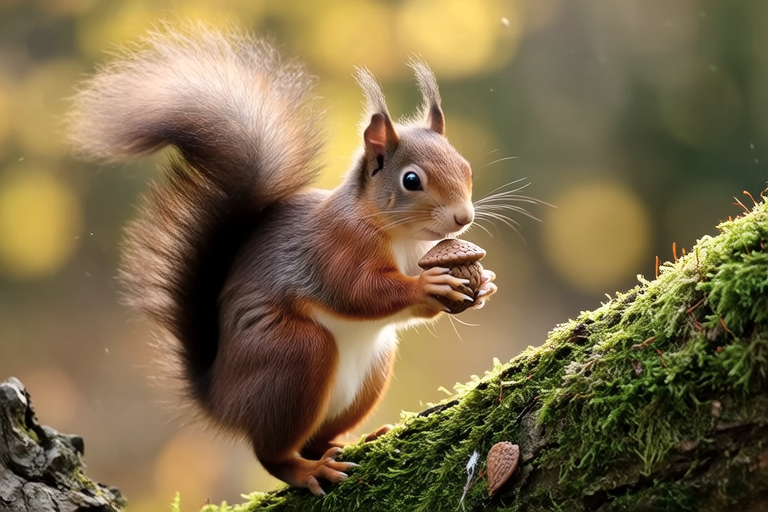
Squirrel Cam: Inside the Nut-Storing, Tree-Leaping Adventures You Missed
Welcome to Squirrel Cam, your exclusive window into the secret world of these bushy-tailed creatures. From the moment you wake up with the dawn’s first light, to the quiet moments just before dusk, our cameras have captured every leap, every stash, and every interaction. This article takes you on a journey through the day in the life of a squirrel, offering insights into their strategic nut storage, agility while leaping between trees, and the intricate social dynamics within their habitat.
The Early Morning Routine
As the sun peeks over the horizon, our Squirrel Cam reveals a bustling world of activity. The first rays of sunlight filter through the dense canopy, illuminating the forest floor. A squirrel, already up and about, scurries from tree to tree, its sharp claws gripping bark as it searches for breakfast. This early riser knows that time is of the essence; the best nuts are often found by those who rise early.
Our camera follows this determined creature as it leaps from branch to branch, showcasing the remarkable agility of squirrels. Their powerful hind legs allow them to jump distances up to ten times their body length. Each leap is a calculated move, aimed at reaching the next safe spot without exposing themselves to predators. This morning, our squirrel is particularly focused, its tiny paws moving quickly as it inspects potential food sources.
Nut Stashing: The Ultimate Survival Strategy
As the morning progresses, our Squirrel Cam captures the heart of the squirrel’s survival strategy: nut stashing. These industrious creatures are known for their impressive ability to cache food for the winter months. It’s estimated that a single squirrel can store thousands of nuts each season, a feat that requires both precision and memory.
Our camera follows as the squirrel selects a particularly large acorn and carries it to a nearby tree. With careful deliberation, it finds a crevice in the bark, perfect for hiding its prize. After placing the acorn, it covers it with leaves and twigs, creating a natural camouflage. This process is repeated throughout the day, with the squirrel visiting multiple locations to ensure a diverse cache of food.
Interestingly, research has shown that squirrels often forget where they’ve hidden some of their stash. This might seem counterproductive, but it actually benefits the ecosystem. Many of the forgotten nuts grow into new trees, contributing to forest regeneration. Our Squirrel Cam provides a front-row seat to this fascinating behavior, revealing the intricate relationship between squirrels and their environment.
Lunchtime Leaps and Chases
By midday, the forest is alive with activity. Our Squirrel Cam captures a lively chase scene as two squirrels race across branches, their tails flicking in excitement. This playful interaction is not just for fun; it serves as practice for the agility required when evading predators or securing the best spots for nut stashing.
These chases also highlight the social dynamics within squirrel communities. While generally solitary creatures, squirrels occasionally engage in brief interactions. Our camera captures a moment of mutual grooming, a rare display of affection among these usually independent animals. This behavior helps reinforce bonds and maintains social harmony within the group.
Urban Living: Challenges and Adaptations
As the day moves on, our Squirrel Cam shifts focus to an urban setting. Here, squirrels face unique challenges and opportunities. Cities offer an abundance of food sources, from bird feeders to discarded snacks, but they also present dangers such as traffic and predators like domestic cats. Despite these risks, squirrels have adapted remarkably well to urban environments.
Our camera captures a squirrel navigating the busy streets of a city park. It carefully crosses a road, pausing frequently to assess traffic before darting across. Once safely on the other side, it climbs a tree, its keen eyes scanning the surroundings for potential threats. This adaptability is one of the reasons why squirrels thrive in cities, where they find a balance between risk and reward.
