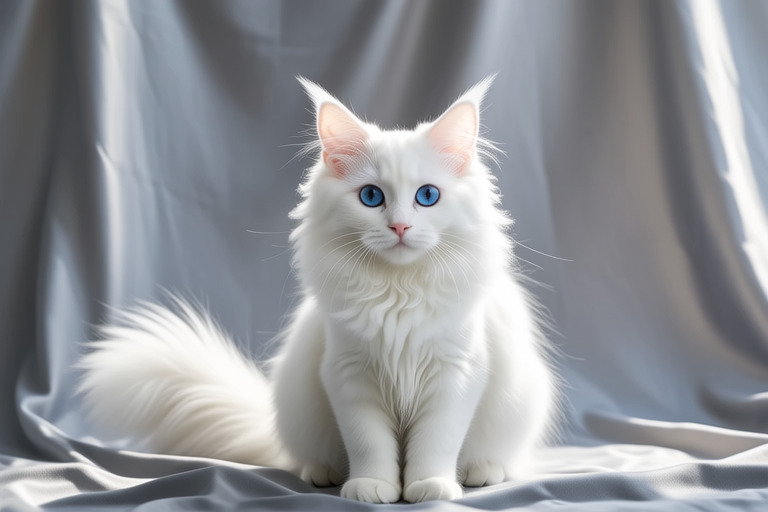
Unveiling the Mysterious Beauty of the Turkish Angora
The Turkish Angora, a breed of cat renowned for its elegance and grace, has captivated hearts and minds for centuries. Originating from the Ankara region of central Turkey, this feline is not just a pet but a symbol of national pride and heritage. This article delves into the historical origins, cultural significance, physical attributes, personality traits, health considerations, and the breed’s role in modern times.
Historical Origins and Cultural Significance
The Turkish Angora traces its roots back to ancient Anatolia, where it was revered for its beauty and agility. Legends and folklore often mention these cats, attributing them with mystical powers and guardianship over homes and palaces. The breed’s name, derived from the capital city of Ankara (formerly Angora), underscores its deep connection to Turkish culture. In the 16th century, Turkish Angoras were highly prized as royal pets and were gifted to European nobility, further cementing their status as a symbol of luxury and refinement.
In Turkey, the Turkish Angora is more than just a domesticated animal; it represents a piece of history. Efforts have been made to preserve the breed’s purity, with dedicated breeding programs established in the 1950s at the Ankara Zoo. These programs aim to maintain the breed’s original characteristics and ensure its survival for future generations.
Distinct Physical Characteristics
Turkish Angoras are known for their striking appearance. They possess a medium-sized, slender body that exudes poise and elegance. Their legs are long and graceful, giving them an almost regal stance. Their heads are triangular, complemented by large, expressive ears that are slightly rounded at the tips. The eyes, which can be blue, green, amber, or a combination thereof, are almond-shaped and contribute significantly to their mysterious allure.
One of the most distinctive features of the Turkish Angora is its coat. It is typically semi-longhaired, soft, and silky, with a fine texture that requires minimal grooming. The breed comes in a wide array of colors, ranging from white, black, and red to more exotic patterns like tortoiseshell and tabby. White Turkish Angoras are particularly sought after due to their rarity and association with the breed’s historical roots.
Unique Personality Traits and Behaviors
Beyond their physical beauty, Turkish Angoras are known for their engaging personalities. They are intelligent, curious, and playful, often displaying a mischievous streak that keeps owners entertained. Their sociable nature makes them excellent companions, and they thrive in environments where they can interact with family members or other pets. Despite their independence, Turkish Angoras enjoy being involved in household activities and are known to follow their owners around the house.
These cats are also known for their vocal communication. While not as loud as some breeds, they are adept at using a range of chirps, trills, and meows to express themselves. Their intelligence extends to problem-solving, making them adept at figuring out how to open doors or cabinets when they want to explore.
Health Considerations and Care Tips
Like all breeds, Turkish Angoras come with specific health considerations. One of the most notable is their susceptibility to certain genetic conditions. Hypertrophic cardiomyopathy, a heart disease, can affect some individuals. Regular veterinary check-ups and early detection are crucial for managing this condition.
Another concern is their tendency to develop urinary tract issues, particularly in male cats. Ensuring they have access to fresh water and a balanced diet can help mitigate these risks. Grooming is relatively simple due to their short undercoat, but regular brushing can prevent matting and promote healthy skin.
Feeding a high-quality diet tailored to their nutritional needs is essential. Obesity can lead to various health problems, so monitoring their food intake and providing opportunities for exercise are important. Regular play sessions with interactive toys can help keep them active and engaged.
The Role of Turkish Angoras in Modern Times
In contemporary society, Turkish Angoras continue to play significant roles. They are popular among cat enthusiasts who appreciate their elegance and charm. Many breeders and fanciers participate in cat shows, where Turkish Angoras often take home top prizes. Their presence in these events helps raise awareness about the breed and its unique qualities.
Notable Turkish Angoras have also made appearances in media and popular culture. Celebrities and public figures have adopted these cats, bringing attention to the breed and inspiring others to consider them as pets. For instance, Turkish Angoras have been featured in advertisements, movies, and television shows, further enhancing their appeal.
Moreover, the Turkish Angora has contributed to scientific research. Due to their genetic makeup, they have been subjects in studies related to genetics and hereditary diseases. This research not only benefits the breed but also contributes to broader medical knowledge, potentially aiding in the development of treatments for both animals and humans.
In conclusion, the Turkish Angora is more than just a beautiful cat; it is a living testament to the rich tapestry of Turkish culture and history. From its origins in ancient Anatolia to its current status as a beloved pet and symbol of elegance, the Turkish Angora continues to enchant and inspire. Whether you’re a seasoned cat lover or a casual observer, the Turkish Angora offers a fascinating glimpse into the world of feline beauty and grace.
