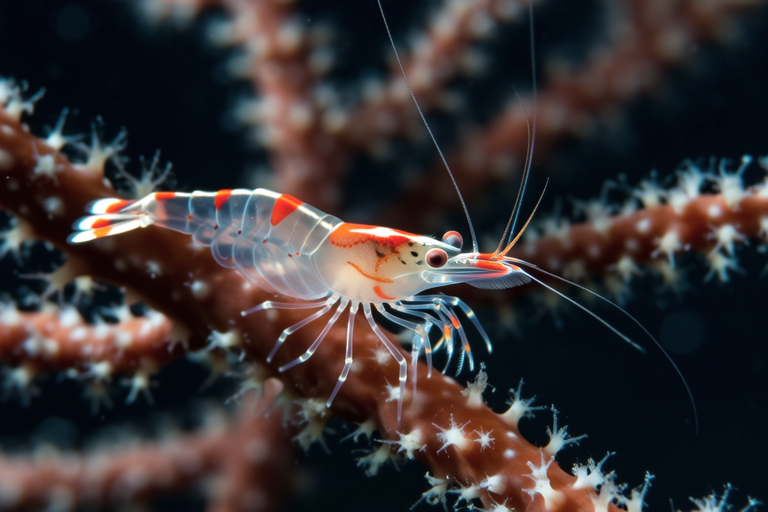
From Ocean to Aquarium: The Journey of Coral Shrimp
Welcome to a fascinating exploration of the vibrant world of coral shrimp. This article delves into the diverse species found in ocean ecosystems, their crucial roles, unique adaptations, and the challenges they face. We will also discuss the process of selecting healthy coral shrimp for aquariums, ethical considerations, and the best practices for maintaining them in home environments.
Diverse Species of Coral Shrimp
Coral reefs are bustling ecosystems teeming with life, including numerous species of coral shrimp. These small crustaceans come in various shapes and sizes, each adapted to its specific niche within the reef. Some of the most commonly known species include the Periclimenes brevicarpalis, also known as the coral banded shrimp, and the Squilla empusa, or the mantis shrimp. Each species has evolved distinct features that help them thrive in their habitats.
The coral banded shrimp, for instance, is known for its striking black and white banding, which serves as camouflage among the corals it inhabits. This shrimp is a cleaner, removing parasites from larger fish and maintaining the health of the reef ecosystem. On the other hand, the mantis shrimp, though less commonly kept in aquariums due to its aggressive nature, is famous for its powerful raptorial claws capable of stunning prey.
Roles and Unique Adaptations
These tiny creatures play vital roles in maintaining the balance of coral reef ecosystems. As cleaners, they help keep larger fish free from harmful parasites, contributing to overall reef health. Their symbiotic relationships with certain corals provide mutual benefits, where the shrimp receive shelter and food, while the coral gets protection from predators and possibly nutrients from the shrimp’s waste.
Unique adaptations have allowed these shrimp to survive in their challenging environments. Many species have developed specialized appendages for hunting, cleaning, or defense. For example, some shrimp can produce bioluminescent light to communicate or attract prey in dark waters. Others have hard exoskeletons that protect them from predators and harsh conditions.
Challenges in Natural Habitat
Despite their adaptability, coral shrimp face numerous challenges in their natural habitat. Environmental changes, such as rising sea temperatures and increased acidity, threaten the survival of these delicate ecosystems. Additionally, human activities like overfishing, pollution, and destructive fishing practices contribute to the degradation of coral reefs.
Threats to coral shrimp include habitat destruction, overharvesting for the aquarium trade, and competition with invasive species. To combat these issues, conservation efforts focus on protecting reef areas, promoting sustainable fishing practices, and raising awareness about the importance of preserving marine biodiversity.
Selecting Healthy Coral Shrimp for Aquariums
When considering coral shrimp for your aquarium, it’s essential to select healthy specimens from reputable sources. Ethical sourcing ensures that you’re supporting responsible harvesting practices and contributing positively to conservation efforts. Look for suppliers who prioritize sustainability and adhere to guidelines set by organizations dedicated to marine wildlife preservation.
Healthy coral shrimp exhibit vibrant colors, active behavior, and intact exoskeletons. Avoid individuals showing signs of disease or injury, such as discoloration, lethargy, or missing limbs. Proper acclimation techniques are crucial when introducing new shrimp to your tank to minimize stress and promote adaptation.
Care Instructions for Maintaining Coral Shrimp in Home Aquariums
Maintaining coral shrimp in home aquariums requires attention to detail and understanding their specific needs. A well-planned tank setup is key to ensuring the longevity and happiness of your shrimp. Start by providing ample hiding spots, such as live rock, caves, and coral structures, which mimic their natural environment.
Diet plays a significant role in the health of coral shrimp. In the wild, they feed on detritus, algae, and small organisms. In captivity, offer a balanced diet consisting of high-quality flake foods, sinking pellets, and occasional treats like blanched vegetables or frozen foods. Regular water changes and monitoring water parameters are essential for maintaining optimal conditions.
Common health issues include bacterial infections, shell diseases, and molting problems. Early detection and prompt treatment are crucial for addressing these concerns. Quarantine new additions before introducing them to the main tank to prevent the spread of diseases.
Positive Impacts of Keeping Coral Shrimp as Pets
Keeping coral shrimp as pets can have a positive impact on raising awareness about marine conservation efforts. By sharing knowledge about these fascinating creatures and their habitats, hobbyists can inspire others to take action in protecting our oceans. Educational initiatives, community events, and social media campaigns can further amplify the message of marine conservation.
Encouraging responsible practices, such as participating in reef restoration projects and supporting local marine conservation organizations, can foster a greater sense of responsibility towards marine life. Engaging in discussions about the importance of sustainable aquarium practices and promoting ethical sourcing can also contribute to positive change.
In conclusion, the journey of coral shrimp from ocean to aquarium is a testament to the resilience and adaptability of these remarkable creatures. By understanding their roles, challenges, and care requirements, we can appreciate the beauty and complexity of marine ecosystems while actively contributing to their preservation. Let us continue to explore, learn, and protect the wonders of our underwater world together.
