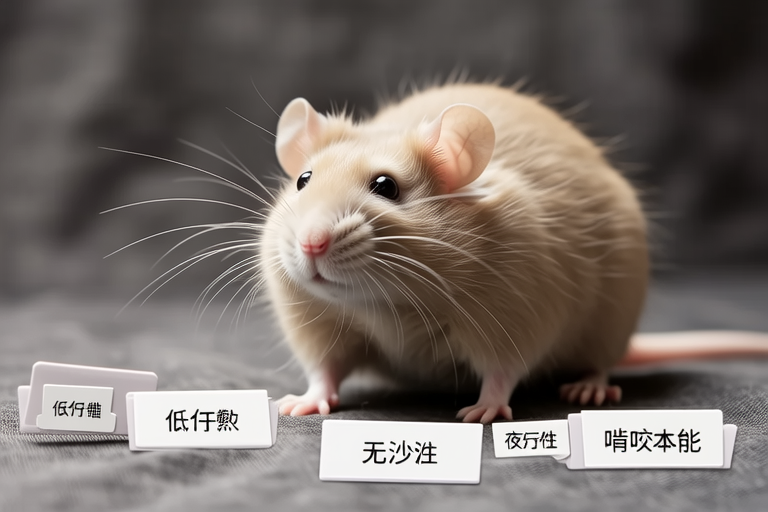
5 Surprising Facts About Chinchillas Every Pet Owner Should Know
Welcome to the world of chinchillas, one of the most unique and fascinating small pets you can bring into your home. Known for their soft, luxurious fur and playful nature, chinchillas have become increasingly popular among pet enthusiasts. However, owning a chinchilla comes with its own set of challenges and responsibilities. These animals require specific care and environments to thrive, making them more than just another cute addition to your family. In this article, we will explore five surprising facts about chinchillas that every pet owner should know. Understanding these facts will help you provide the best possible care for your furry friend.
Fact 1: Chinchillas Have the Softest Fur in the World
The first surprising fact about chinchillas is their incredibly soft fur. Their coat consists of approximately 60 hairs per follicle, which is much denser compared to other mammals. This unique characteristic not only makes them look adorable but also serves as an excellent insulation against cold temperatures. The thickness of their fur helps them maintain body heat efficiently, especially during colder months.
Tip: Due to their dense fur, chinchillas are highly susceptible to overheating. It’s crucial to keep their living environment cool, ideally between 60-70°F (15-21°C). Avoid placing their cage near windows or heat sources like radiators. Additionally, ensure they have access to a dust bath at least three times a week to maintain the health of their fur. A dust bath helps remove oils and debris from their coat without damaging it.
Fact 2: Chinchillas Need Regular Dust Baths
Chinchillas are known for their love of dust baths, which play a vital role in maintaining their health. Unlike water baths, dust baths help clean their fur and prevent skin issues. The fine volcanic ash used in dust baths absorbs excess oils and dirt from their coats, keeping them clean and healthy. This grooming behavior is natural for wild chinchillas, who would take dust baths in the mineral-rich soil found in their native habitats.
Tip: Providing regular dust baths is essential for the well-being of your chinchilla. Ensure the dust is specifically designed for chinchillas and not too fine, as it could cause respiratory issues. Allow your chinchilla to enjoy a dust bath for about 15 minutes twice a week. Afterward, gently shake off any remaining dust particles to avoid irritation.
Fact 3: Chinchillas Are Nocturnal Creatures
Another interesting aspect of chinchillas is their nocturnal nature. They are most active during the night and sleep during the day. This behavior is typical of many small rodents, including hamsters and gerbils. Being nocturnal means chinchillas prefer to rest during daylight hours and engage in activities such as running, playing, and eating when it gets dark.
Tip: To accommodate your chinchilla’s sleeping schedule, try to minimize disturbances during the day. Keep their living area quiet and dimly lit to encourage them to rest. At night, provide stimulating toys and a running wheel to keep them entertained. This routine helps maintain their natural sleep cycle and ensures they remain happy and healthy.
Fact 4: Chinchillas Are Social Animals
Despite their small size, chinchillas are highly social creatures that thrive on companionship. In the wild, they live in large groups called herds, which can consist of hundreds of individuals. This social structure is important for their emotional well-being. Chinchillas kept alone may become lonely or stressed, leading to behavioral problems or health issues.
Tip: If you’re considering adopting a chinchilla, it’s advisable to get two instead of one. This way, they can keep each other company and alleviate feelings of loneliness. Ensure they have enough space to interact safely and avoid overcrowding their enclosure. Providing multiple levels within their cage can also stimulate exploration and social interaction.
Fact 5: Chinchillas Have Sensitive Digestive Systems
Chinchillas have delicate digestive systems that require careful attention to diet. Their diet primarily consists of hay, pellets, and fresh vegetables. Feeding them inappropriate foods, such as fruits or sugary treats, can lead to digestive upset, obesity, or even fatal blockages. It’s essential to understand what constitutes a balanced diet for your chinchilla.
Tip: Always consult with a veterinarian before introducing new foods into your chinchilla’s diet. Stick to high-quality chinchilla pellets and fresh timothy hay as the main components of their diet. Offer a variety of safe vegetables in moderation, such as carrots, bell peppers, and leafy greens. Avoid feeding them seeds, nuts, or any food containing sugar or fat. Regular monitoring of their weight and fecal output can help ensure their digestive system remains healthy.
Conclusion
Understanding these five surprising facts about chinchillas is crucial for any pet owner looking to provide the best care for their new furry friend. From their ultra-soft fur to their sensitive digestive systems, each aspect of a chinchilla’s life requires careful consideration. By following the tips outlined in this article, you can ensure your chinchilla leads a healthy, happy life. Remember, knowledge is power when it comes to pet ownership, and taking the time to learn about your chinchilla’s unique needs will greatly benefit both you and your pet.
