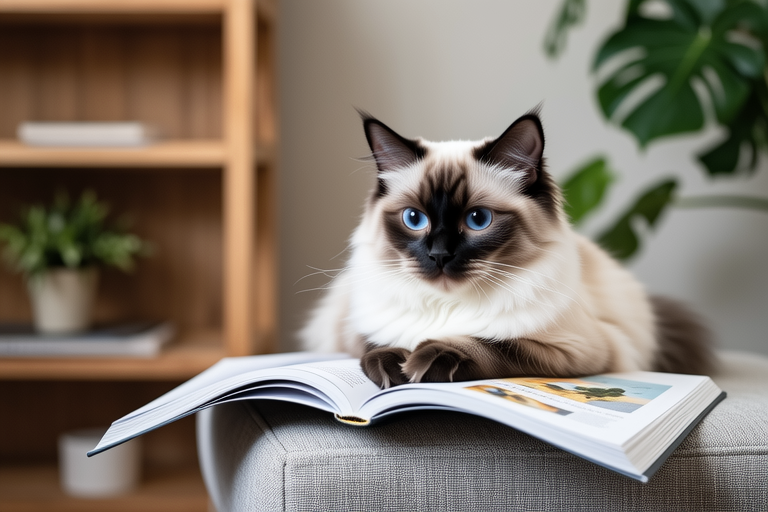
Raising a Siamese Cat: Tips and Tricks for First-Time Owners
Introduction: Unique Traits of Siamese Cats
Welcome to the world of Siamese cats! Known for their striking blue almond-shaped eyes, sleek coats, and distinctive color points, Siamese cats are one of the most recognizable breeds. Their intelligence, affectionate nature, and tendency to be quite vocal make them excellent companions for those who enjoy a more interactive relationship with their pets. With their playful demeanor and strong desire for attention, Siamese cats can be delightful yet demanding. This guide will provide you with all the essential information you need to raise a happy and healthy Siamese cat.
Dietary Needs
Siamese cats require a balanced diet that meets their nutritional needs for energy, growth, and overall health. High-quality commercial cat food, either wet or dry, formulated for adult cats is generally sufficient. Ensure that the food contains adequate amounts of protein, fat, vitamins, and minerals. Avoid overfeeding, as Siamese cats are prone to obesity, which can lead to various health issues such as diabetes and joint problems. Additionally, always provide fresh water and consider occasional treats, but keep them to a minimum to avoid unnecessary weight gain.
Exercise Requirements
Siamese cats are active and playful, so it’s important to engage them in regular physical activity. Interactive toys, such as feather wands or laser pointers, can help stimulate their hunting instincts and provide entertainment. Consider setting aside time each day for play sessions to keep your Siamese cat physically fit and mentally stimulated. Providing climbing structures or scratching posts also encourages movement and helps maintain their agility. Regular exercise not only benefits their physical health but also contributes to their emotional well-being.
Grooming Tips
Siamese cats have short, fine coats that are relatively easy to maintain. However, they still require regular grooming to keep their fur clean and free from tangles. Brushing your Siamese cat once or twice a week with a soft-bristled brush will help remove loose hair and distribute natural oils throughout their coat. Bathing is usually necessary only when absolutely needed, as frequent bathing can strip their skin of essential oils. Pay special attention to their ears, nails, and teeth during grooming sessions. Regular cleaning of their ears can prevent infections, while trimming their nails every few weeks and brushing their teeth daily can promote good oral hygiene.
Common Health Issues
Like any breed, Siamese cats are susceptible to certain health issues. Hypertrophic cardiomyopathy, a form of heart disease, is one of the most common conditions affecting Siamese cats. Regular veterinary check-ups can help detect this condition early. Other potential health concerns include respiratory infections, dental problems, and digestive issues. To minimize the risk of these ailments, ensure your cat receives proper nutrition, maintains a healthy weight, and stays up-to-date with vaccinations and preventive care. Early intervention and consistent monitoring are key to managing any health challenges your Siamese cat may face.
Socializing Your Siamese Cat
Socialization is crucial for raising a well-adjusted Siamese cat. Introduce your cat to various environments, people, and other animals gradually to help them become comfortable and confident. Encourage positive interactions with family members and friends, and expose them to different sounds, sights, and smells in controlled settings. Socialization should begin at a young age and continue throughout their life. A well-socialized Siamese cat is more likely to be friendly, adaptable, and less prone to behavioral issues. Patience and consistency are key during this process.
Training Methods Suitable for Siamese Cats
Siamese cats are highly intelligent and trainable, making them ideal candidates for basic obedience training. Positive reinforcement techniques, such as rewarding desired behaviors with treats or praise, are effective ways to encourage good behavior. Teach your Siamese cat commands like “sit,” “stay,” and “come” using consistent cues and rewards. Clicker training can also be beneficial, as it provides immediate feedback and helps reinforce desired actions. Avoid punishment-based methods, as they can cause stress and damage the bond between you and your cat. Training not only enhances communication but also strengthens the relationship between you and your Siamese companion.
Mental Stimulation
Mental stimulation is vital for the well-being of Siamese cats. These intelligent creatures thrive on mental challenges and can become bored easily if left without enough engagement. Puzzle toys that dispense treats when solved, interactive games, and even teaching them tricks can provide the mental stimulation they need. Rotate toys periodically to keep things interesting and introduce new activities regularly. Mental stimulation helps prevent boredom-related behaviors, such as excessive meowing or destructive chewing, and keeps your Siamese cat mentally sharp and engaged.
Creating a Safe and Enriching Environment
To ensure a safe and enriching environment for your Siamese cat, start by cat-proofing your home. Remove toxic plants, secure loose wires, and keep potentially harmful substances out of reach. Provide multiple scratching posts, perches, and hiding spots to satisfy their natural instincts. Create vertical spaces, such as cat trees or shelves, to allow them to explore and climb. Ensure your Siamese cat has access to a quiet area where they can retreat when feeling overwhelmed. By creating a stimulating and secure space, you’ll help your Siamese cat feel safe, happy, and content in their home.
