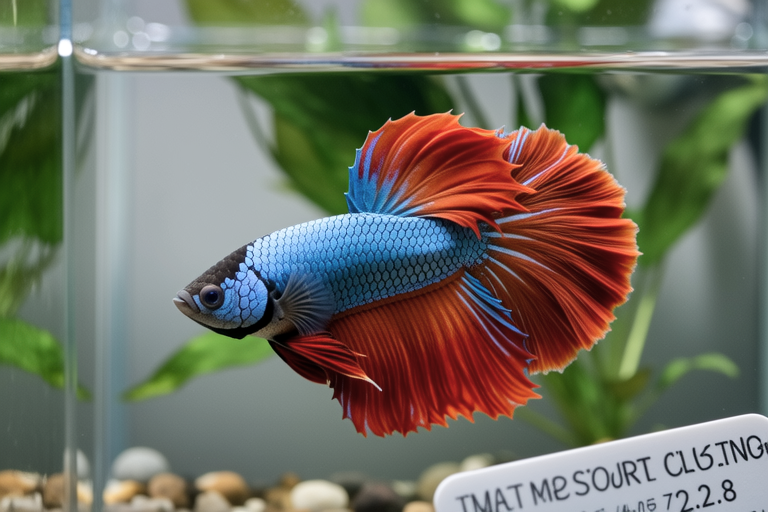
Betta Care Guide: Tips for Keeping Your Pet Happy and Healthy
Welcome to your comprehensive guide on how to take care of your Betta fish! This guide will cover everything you need to know about setting up the perfect tank, maintaining water quality, providing a balanced diet, choosing suitable tank mates, meeting exercise needs, and addressing common health issues. Whether you’re a first-time Betta owner or looking to enhance your current knowledge, this guide aims to help you create a happy and healthy living environment for your pet.
1. Tank Setup
Setting up the right habitat is crucial for your Betta’s well-being. Bettas require at least 2.5 gallons of water, but a larger tank is always better. The tank should have a lid to prevent the fish from jumping out, as they are known to be curious swimmers. Equip your tank with a filter to keep the water clean and circulating. However, ensure that the filter’s flow isn’t too strong, as Bettas prefer gentle water movement.
Decorate your tank with plants, caves, and other structures to provide hiding spots and stimulate natural behavior. Live plants can also improve water quality by absorbing nitrates. Avoid overcrowding the tank with decorations, allowing enough space for swimming. Finally, add substrate like gravel or sand to mimic a natural riverbed and hide uneaten food.
2. Water Quality Maintenance
Water quality is vital for your Betta’s health. Regularly check the temperature, pH level, ammonia, nitrite, and nitrate levels. Ideal water parameters include a temperature between 76°F and 82°F (24°C to 28°C), a pH level between 6.5 and 7.5, and zero ammonia and nitrite levels. Test these parameters weekly and adjust them if necessary.
Change 25% of the water every week to maintain cleanliness and prevent harmful bacteria from building up. When changing water, use a siphon to remove debris and replace it with dechlorinated water. If your tap water contains chlorine or chloramine, treat it with a water conditioner before adding it to the tank.
3. Appropriate Diet
A balanced diet is essential for your Betta’s growth and overall health. Feed your Betta high-quality flake food or pellets specifically designed for tropical fish. These foods are formulated to meet their nutritional requirements and promote vibrant colors. Supplement their diet with occasional treats such as frozen bloodworms, brine shrimp, or daphnia.
Feed your Betta two to three times daily, offering only what they can consume within two minutes. Overfeeding can lead to obesity and poor water quality. Monitor your Betta’s eating habits and adjust the portion sizes accordingly. Remove any uneaten food after feeding to prevent it from decomposing and polluting the water.
4. Suitable Tank Mates
Bettas are often referred to as “solitary” fish, but they can coexist with compatible tank mates. Avoid keeping them with aggressive or fin-nipping species, as they may become stressed or injured. Suitable companions include peaceful bottom-dwelling fish like corydoras catfish, small tetras, and guppies.
When introducing new fish, monitor their interactions closely. Some Bettas may show territorial behavior towards newcomers, especially those with similar body shapes. Always research potential tank mates thoroughly to ensure compatibility. Additionally, avoid housing multiple male Bettas together, as they are highly territorial and will likely fight.
5. Exercise Needs
Bettas are active swimmers and benefit from regular exercise. Ensure your tank has ample swimming space by avoiding overcrowding with decorations or plants. Encourage your Betta to swim by providing enrichment activities such as floating objects or gently moving decorations. Some owners even set up a small current in the tank to simulate natural water flow.
Provide hiding spots and areas for exploration to stimulate your Betta’s natural behaviors. This helps reduce stress and promotes mental well-being. Consider adding floating plants or artificial structures that allow your Betta to rest and explore different parts of the tank.
6. Common Health Issues
Like all pets, Bettas can suffer from various health problems. One of the most common issues is fin rot, characterized by frayed or discolored fins. Fin rot can result from poor water quality or bacterial infections. To prevent fin rot, maintain excellent water conditions and quarantine any new additions to the tank.
Another common problem is ich, a parasitic infection causing white spots on the fish’s body. Ich can be treated with medications available at pet stores. Early detection and treatment are crucial for successful recovery. Other health issues include dropsy, swim bladder disorder, and constipation. Consult a veterinarian specializing in fish for proper diagnosis and treatment.
7. Practical Tips for Daily Care
Maintaining a routine is key to ensuring your Betta’s happiness and health. Spend time observing your Betta each day to monitor its behavior and appearance. Look for signs of distress, such as lethargy, loss of appetite, or unusual swimming patterns. Address any issues promptly to prevent them from escalating.
Regularly clean the tank and equipment to prevent the buildup of algae and debris. Use a soft brush to scrub the tank walls and decorations. Clean the filter media according to the manufacturer’s instructions to maintain optimal filtration performance. Replace any damaged or worn-out equipment to ensure a safe and comfortable environment for your Betta.
8. Creating an Enriching Environment
To create an enriching environment for your Betta, consider incorporating elements that stimulate their senses. Add live or artificial plants to provide hiding spots and visual stimulation. Floating objects, such as ping pong balls or decorative ornaments, can encourage exploration and play. Introduce gentle lighting to mimic natural daylight cycles and promote healthy circadian rhythms.
Provide a consistent routine for feeding and tank maintenance to establish a sense of security for your Betta. Regular interaction with your Betta can strengthen the bond between you and your pet. Gently wave your hand near the tank or talk softly to your Betta during feeding times to foster a positive relationship.
In conclusion, taking care of a Betta fish requires attention to detail and commitment. By following the guidelines outlined in this Betta care guide, you’ll be well-equipped to provide a happy and healthy living environment for your pet. Remember to stay informed about the latest advancements in Betta care and consult with experts when needed. With proper care and dedication, your Betta will thrive and bring joy to your home for years to come.
