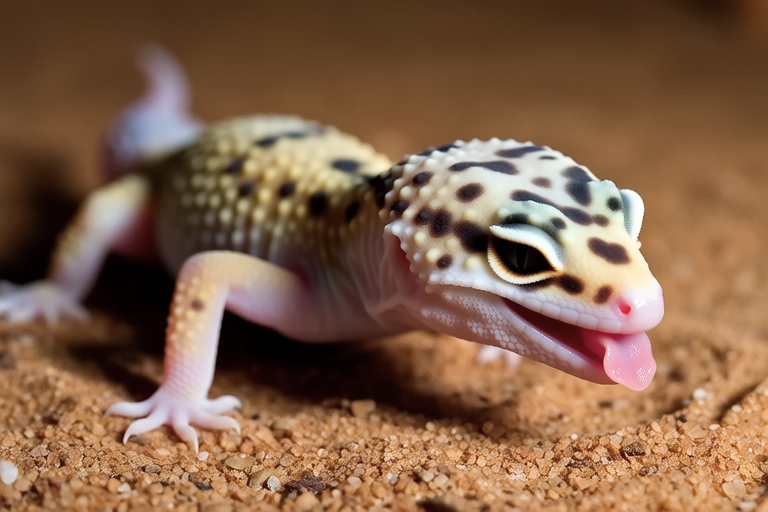
Leopard Gecko Behavior Decoded: What Your Pet’s Actions Really Mean
Welcome to the fascinating world of leopard geckos! These small, docile lizards have become increasingly popular among reptile enthusiasts and first-time pet owners alike. Leopard geckos are known for their striking appearance, with their spots resembling those of their namesake cat, and their easy care requirements. Understanding your gecko’s behavior is key to ensuring its happiness and health. In this article, we’ll decode the common behaviors of leopard geckos and provide insights into what these actions mean for your pet’s well-being.
The Popularity of Leopard Geckos
Leopard geckos are native to the arid regions of Pakistan, Afghanistan, and parts of India. They thrive in captivity due to their relatively simple dietary needs and their ease of handling. Their gentle nature makes them ideal pets for families with children, while their nocturnal habits ensure they won’t disrupt nighttime sleep. As a result, leopard geckos have become one of the most sought-after reptiles in the pet trade.
Basking and Temperature Preferences
One of the first behaviors you might notice in your leopard gecko is its tendency to bask under a heat lamp. Basking is essential for thermoregulation, allowing the gecko to maintain its body temperature within a comfortable range. A healthy gecko will spend time alternating between its warm and cool sides of the enclosure. If your gecko spends too much time on the cooler side, it may be an indication that the heating element isn’t functioning correctly. Conversely, if it stays close to the heat source constantly, it could be too hot, leading to dehydration or other health issues.
Hiding and Security
Leopard geckos are naturally shy creatures that prefer to hide during the day. Providing ample hiding spots within the enclosure is crucial for your gecko’s mental and physical health. A well-hidden gecko is usually a happy one, as it feels secure and less stressed. If your gecko suddenly becomes more active and visible, it could be a sign that something in its environment has changed, or it may be stressed. Always ensure that hiding spots are clean and provide sufficient space for your gecko to feel safe.
Eating Habits
Observing your gecko’s eating habits is another way to assess its overall health. Leopard geckos are insectivores, primarily feeding on crickets, mealworms, and waxworms. A healthy gecko will eagerly consume prey items when offered. If your gecko shows little interest in food or refuses to eat, it could indicate underlying health issues such as parasites, respiratory infections, or environmental stress. It’s important to offer appropriately sized prey to prevent choking or digestive problems. Additionally, dusting the insects with calcium and vitamin supplements ensures your gecko receives all necessary nutrients.
Signs of Stress or Discomfort
Recognizing signs of stress in your gecko is vital for prompt intervention. Some common indicators include reduced activity, refusal to eat, excessive hiding, or changes in skin coloration. If your gecko displays any of these symptoms, it’s essential to investigate potential causes such as improper temperatures, inadequate humidity levels, overcrowding, or bullying from cage mates. Addressing these issues promptly can prevent more severe health problems. Consult a veterinarian specializing in reptiles if you suspect your gecko is unwell.
Maintaining a Healthy Environment
To promote optimal behavior and health in your leopard gecko, maintaining a suitable habitat is crucial. The enclosure should be spacious enough to allow for movement and exploration but not so large that the gecko feels lost. Use substrates like paper towels or reptile carpets to minimize the risk of impaction from swallowed substrate. Ensure proper ventilation and regular cleaning to maintain hygiene. Provide a shallow water dish for drinking and soaking, which helps with shedding. Additionally, monitor lighting and temperature carefully, as fluctuations can stress your gecko and lead to health issues.
Bonding with Your Leopard Gecko
Building a bond with your gecko takes time and patience. Leopard geckos are generally calm and docile, making them excellent candidates for gentle handling. Start by letting your gecko get used to your presence without immediate interaction. Gradually introduce brief periods of handling, ensuring you support its body properly. Avoid sudden movements or loud noises that might startle your gecko. Over time, you’ll notice individual personality traits, such as curiosity, shyness, or playfulness. Each gecko is unique, and understanding its preferences can enhance your relationship.
Understanding Unique Personality Traits
While all leopard geckos share similar basic behaviors, each has its own distinct personality. Some geckos may enjoy being handled more frequently, while others prefer minimal contact. Pay attention to your gecko’s responses during interactions and adjust accordingly. By respecting your gecko’s boundaries and providing a stimulating environment, you can foster a strong and positive relationship. Regular observation of your gecko’s behavior will help you better understand its needs and preferences.
In conclusion, decoding the behavior of your leopard gecko provides valuable insights into its health and well-being. From basking and hiding to eating habits and signs of stress, understanding these actions can help you create an optimal environment for your pet. With proper care and attention, you can ensure your leopard gecko leads a happy and fulfilling life. Take the time to learn about your gecko’s unique personality, and you’ll be rewarded with a loyal and delightful companion.
