Unleashing the Mystery Behind Arowana Care: Tips for Thriving Aquariums
Arowanas, often referred to as “Dragon Fish,” are among the most captivating creatures in the aquatic world. These prehistoric-looking fish have been around for millions of years, earning them the title of “living fossils.” Their striking appearance, combined with their unique behaviors, makes them a sought-after species for aquarium enthusiasts. However, caring for arowanas requires a deep understanding of their specific needs and environmental conditions. This guide will delve into the mysteries behind arowana care, offering tips and advice for setting up and maintaining a thriving aquarium environment.
The Unique Characteristics of Arowanas
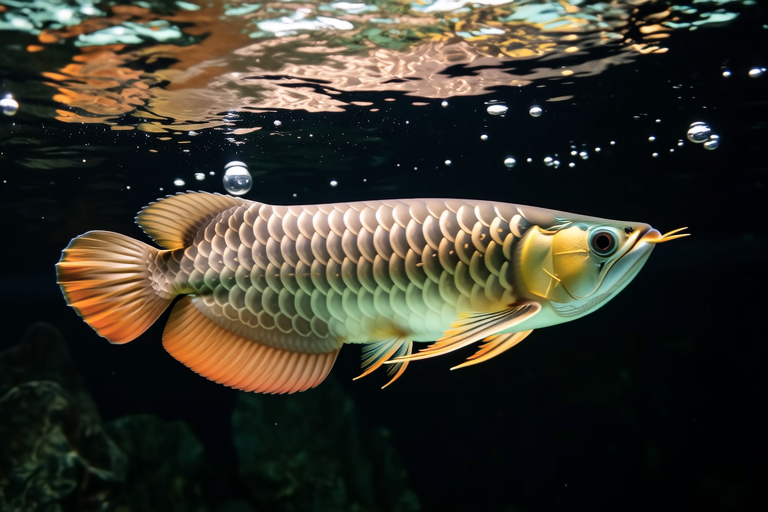
Arowanas possess several unique features that set them apart from other freshwater fish. They have elongated bodies, powerful jaws, and sharp teeth, which they use to capture prey. Their scales are large and iridescent, reflecting light in a mesmerizing display of colors. The dorsal fin is long and extends almost the entire length of their body, providing stability while swimming. Their pectoral fins are particularly notable; they can move independently, allowing arowanas to hover in place or glide through the water effortlessly.
These fish are highly intelligent and exhibit complex behaviors. They are known to recognize their caretakers and even show signs of curiosity and playfulness. Arowanas are also strong jumpers, capable of leaping out of the water to catch insects or small birds. In the wild, they inhabit rivers, lakes, and swamps, where they hunt for fish, crustaceans, and insects. Their ability to leap makes them excellent predators, but it also poses a challenge for aquarium owners who must provide secure enclosures.
Environmental Requirements for Optimal Health
To ensure the well-being of your arowanas, it’s crucial to recreate their natural habitat as closely as possible. Arowanas thrive in warm, tropical waters, so maintaining the right temperature is essential. The ideal temperature range for arowanas is between 78°F and 84°F (25°C to 29°C). Water pH should be slightly acidic to neutral, between 6.5 and 7.5. Ammonia and nitrite levels should be kept at zero, while nitrate levels should be maintained below 20 ppm.
Proper filtration is vital for keeping the water clean and oxygenated. Arowanas produce a significant amount of waste, so a robust filtration system is necessary to prevent water quality issues. High-quality filters with biological, mechanical, and chemical media should be used to ensure efficient waste removal and nitrogen cycle management. Additionally, aeration is important to maintain high oxygen levels, especially if the tank is densely populated.
Diet and Feeding Habits
Arowanas are carnivorous fish with a varied diet that includes fish, insects, crustaceans, and occasionally plant matter. In captivity, they should be fed a diet rich in protein, with a focus on high-quality frozen or live foods such as feeder fish, shrimp, and worms. Some aquarists supplement their diet with pellets or flakes designed for carnivorous fish, but these should not form the primary part of their diet.
Feeding frequency depends on the age and size of the arowana. Juvenile arowanas require more frequent feedings, typically twice daily, while adult arowanas can be fed once every two days. It’s important to avoid overfeeding, as excess food can lead to poor water quality and health problems. Always observe your fish during feeding times to ensure they are eating properly and adjust the amount accordingly.
Tank Setup
Setting up an appropriate tank is crucial for the health and happiness of your arowanas. The minimum recommended tank size for a single adult arowana is 250 gallons (946 liters), but larger tanks are preferred for multiple fish. The tank should be spacious enough to allow the fish to swim freely without feeling cramped. Arowanas are territorial, so providing ample space is essential to reduce stress and aggressive behavior.
Decorations and hiding spots are important for creating a comfortable environment. Driftwood, rocks, and plants can be used to mimic the natural habitat of arowanas. However, it’s crucial to choose decorations that won’t harm the fish or damage the tank. Large, smooth rocks and driftwood pieces are ideal, as they provide hiding spots and create a sense of security. Plants can be added for aesthetic appeal, but ensure they are sturdy enough to withstand the fish’s movements.
Maintaining Water Quality and Regular Maintenance
Maintaining optimal water quality is paramount for the health of your arowanas. Regular water changes are necessary to remove accumulated toxins and maintain stable water parameters. Aim for weekly water changes of about 20% to 30%, adjusting the amount based on the tank’s population and water quality. During water changes, use a gravel vacuum to clean the substrate and remove debris.
In addition to water changes, regular maintenance tasks include checking and cleaning the filter, monitoring water parameters, and inspecting the fish for signs of illness. Keep a close eye on ammonia, nitrite, and nitrate levels, and address any imbalances promptly. Regularly check the temperature and pH levels to ensure they remain within the recommended range. By staying proactive with water quality management, you can help prevent many common health issues in arowanas.
Common Challenges and Solutions
Despite their majestic appearance, arowanas can present some challenges for aquarium owners. One of the most common issues is aggression, especially among males. To mitigate this, it’s advisable to house only one male per tank, along with females or non-aggressive species. Another challenge is ensuring proper nutrition, as arowanas can become picky eaters if not provided with a varied diet. Offering a mix of different types of food can help maintain their interest and ensure they receive all necessary nutrients.
Frequent jumping can also be problematic, leading to injuries or escapes. To prevent this, ensure the tank has a secure lid or cover, and consider adding floating objects like plants or decorations to provide distractions. Finally, arowanas can be sensitive to sudden changes in their environment, so make any adjustments gradually and monitor their behavior closely.
By following the guidelines outlined in this article, you can create a thriving environment for your arowanas. Understanding their unique characteristics, specific environmental requirements, and dietary needs will go a long way in ensuring these magnificent fish live long, healthy lives in your aquarium. Whether you’re a novice or an experienced aquarist, taking the time to learn about arowana care will reward you with the joy of watching these ancient creatures thrive in your home.
