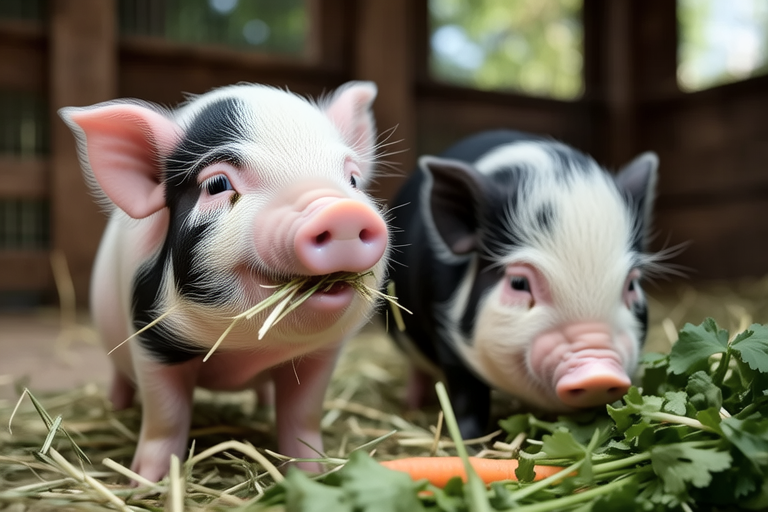
The Secret Life of Guinea Pigs: Inside Their Daily Routine Explained
Guinea pigs, or cavies as they’re scientifically known, have been cherished companions for centuries. These small, sociable rodents offer more than just cute faces; they lead fascinating lives filled with unique behaviors, routines, and needs. Understanding these can help you provide the best care for your guinea pig. Let’s delve into the secret life of these delightful pets.
Natural Behaviors and Physiology
Guinea pigs are crepuscular creatures, meaning they are most active during dawn and dusk. This behavior stems from their origins in the Andes Mountains, where they evolved to avoid predators by being active when light levels are low. Their large eyes give them excellent peripheral vision, allowing them to spot potential threats while grazing. Despite this, they are prey animals, which means they rely heavily on their senses to detect danger.
Physiologically, guinea pigs are herbivores with a digestive system adapted to processing fibrous plant matter. Their teeth grow continuously throughout their lives, necessitating constant chewing to prevent overgrowth. Providing plenty of hay is crucial for their dental health and overall well-being.
Sleeping Patterns
Guinea pigs sleep for around four hours a day, distributed throughout the day and night. They prefer to rest in quiet, dark areas, often curling up in a corner of their enclosure. A cozy hideaway or a soft blanket can make a great addition to their living space. Since they are easily disturbed, it’s important to minimize noise and activity during their resting periods.
Owners should be mindful of their guinea pig’s sleep schedule. If you notice changes in their sleeping habits, such as excessive drowsiness or difficulty waking up, consult a veterinarian, as these could indicate underlying health issues.
Feeding Habits
A guinea pig’s diet consists primarily of hay, fresh vegetables, and a limited amount of pellets designed specifically for guinea pigs. Hay is essential, providing fiber necessary for proper digestion and preventing dental problems. Timothy hay is ideal for adult guinea pigs, while younger ones might benefit from alfalfa hay due to its higher calcium content.
In addition to hay, guinea pigs enjoy a variety of fresh vegetables. Leafy greens like kale, spinach, and romaine lettuce are excellent choices. However, remember to introduce new foods gradually to prevent gastrointestinal upset. Fruits can be given sparingly as treats due to their high sugar content.
It’s also important to ensure your guinea pig has access to clean, fresh water at all times. Water bottles are preferred over bowls to keep the water clean and prevent spillage.
Social Interactions
Guinea pigs are highly social animals and thrive when kept in pairs or groups. They communicate through vocalizations, including chirps, squeaks, and purrs. Each sound conveys different emotions, from excitement to distress. Observing these sounds can give you valuable insights into your guinea pig’s mood and needs.
Introducing new guinea pigs to each other requires patience and careful observation. Start by placing their cages next to each other so they can get used to each other’s presence. Once they seem comfortable, supervised play sessions can begin. Always monitor interactions closely to ensure they remain positive.
Playtime Activities
While guinea pigs don’t require as much physical exercise as some other pets, they still need opportunities for mental stimulation and physical activity. Toys and tunnels made from safe materials can provide entertainment and encourage exploration. Cardboard boxes and paper towel rolls can serve as DIY toys, offering hours of fun.
Exercise wheels designed specifically for guinea pigs can also be beneficial, provided they are smooth and free of sharp edges. Ensure the wheel is the appropriate size for your guinea pig to prevent injury.
Environmental Preferences
Creating a comfortable and stimulating environment is key to your guinea pig’s happiness. Their enclosure should be spacious enough to allow movement and exploration. A minimum size of 7.5 square feet per guinea pig is recommended. The floor should be solid, not wire, to prevent injuries to their delicate feet.
Temperature and humidity levels also play a significant role in their comfort. Guinea pigs prefer temperatures between 65°F and 75°F (18°C to 24°C). Avoid exposing them to extreme heat or cold. Additionally, maintaining a consistent humidity level between 40% and 60% is ideal.
Grooming and Hygiene
Regular grooming helps maintain your guinea pig’s coat and skin health. Brushing their fur weekly removes loose hair and prevents matting. Bathing should be done sparingly, only when absolutely necessary, as it can strip their skin of natural oils.
Trimming their nails regularly is important to prevent discomfort and potential injury. If you’re unsure how to do this safely, seek guidance from a professional or your veterinarian.
Healthcare and Veterinary Care
Regular check-ups with a veterinarian who specializes in exotic pets are vital for ensuring your guinea pig’s health. Common health issues include dental problems, respiratory infections, and obesity. Signs of illness may include lethargy, loss of appetite, or changes in bathroom habits.
Vaccinations are not typically required for pet guinea pigs, but regular deworming and parasite control are important. Discuss a suitable healthcare plan with your veterinarian based on your guinea pig’s age, health status, and lifestyle.
Conclusion
Understanding the daily routine and needs of your guinea pig can greatly enhance their quality of life. By providing a stimulating environment, a balanced diet, and plenty of attention, you can ensure your guinea pig leads a happy and healthy life. Remember, each guinea pig is unique, so take the time to observe and understand your pet’s individual preferences and behaviors.
Whether you’re a first-time owner or a seasoned guinea pig caretaker, there’s always something new to learn about these charming little creatures. Enjoy the journey of discovery and the rewarding companionship of your guinea pig.
