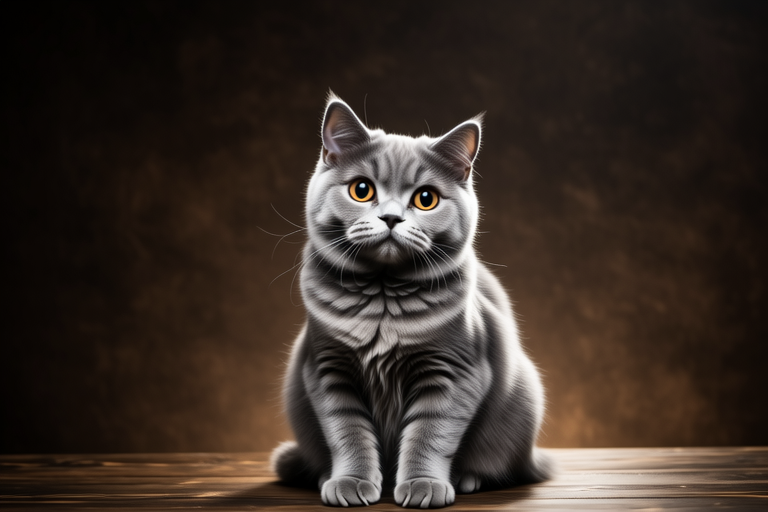
The Unique Journey of the Munchkin Cat
The Munchkin cat is a relatively new breed with a fascinating history, marked by its distinctive short legs. Originating from a rare genetic mutation, the Munchkin has captured the hearts of many cat enthusiasts around the world. This article explores the history, physical characteristics, genetic factors, and rise to fame of the Munchkin cat, addressing controversies and misconceptions along the way.
Origins and Genetic Factors
The Munchkin cat’s journey began in the late 20th century when a genetic mutation resulted in a cat with unusually short legs. The first documented case was in Louisiana in 1983, where a domestic shorthair cat named Blackberry gave birth to kittens with short legs. One of these kittens, Toulouse, was later bred with a Persian cat, producing more short-legged offspring. This marked the beginning of the Munchkin breed.
The genetic factor responsible for the Munchkin’s short legs is a dominant gene known as the M gene. This gene affects the length of the long bones in the legs, causing them to be significantly shorter than those of other cats. However, the inheritance pattern of this gene is complex, and some controversy surrounds it. Critics argue that the gene may lead to health issues, such as spinal problems or joint disorders, due to the altered skeletal structure.
Rise to Fame and Controversies
Despite initial skepticism, the Munchkin cat gradually gained recognition and popularity. In 1994, TICA (The International Cat Association) recognized the Munchkin as an experimental breed, paving the way for its acceptance in the feline world. However, the breed faced challenges in gaining full championship status due to ongoing debates about its health implications. It wasn’t until 2003 that TICA officially accepted the Munchkin as a championship breed.
One of the most significant controversies surrounding the Munchkin cat involves its genetic heritage. Some critics claim that the breed is the result of unethical breeding practices, leading to concerns about the well-being of the cats. Others argue that the breed’s unique appearance is simply a variation within the natural diversity of feline genetics. Despite these debates, the Munchkin has continued to grow in popularity, thanks in part to its distinctive charm and engaging personality.
Physical Characteristics
The Munchkin cat is easily recognizable by its short legs, which can range from slightly shorter to very short. These cats come in two varieties: standard and long-haired. Standard Munchkins have medium-length fur, while long-haired Munchkins have longer, silky coats. Their body structure is generally similar to that of other domestic cats, but their short legs give them a unique appearance. Munchkins also come in a wide variety of colors and patterns, adding to their appeal.
While their legs are notably shorter, Munchkins are surprisingly agile and active. They can run, jump, and play like any other cat, albeit in a more comical manner due to their unusual gait. Their short legs don’t hinder their ability to climb or reach high places; they often find creative ways to navigate their environment. Despite their small stature, Munchkins have strong, muscular bodies that allow them to move efficiently.
Viral Sensations and Internet Popularity
The Munchkin cat’s journey to internet fame began in the early 2000s when videos of these playful, short-legged felines started circulating online. One of the most famous Munchkin cats to go viral was a cat named Lil Bub. Born with a rare condition called osteopetrosis, which affects bone density, Lil Bub became an internet sensation for her unique appearance and charming personality. Her videos showcased her quirky behaviors and endearing nature, earning her millions of followers on social media platforms.
Another notable Munchkin cat that gained widespread attention was Grumpy Cat, whose perpetually grumpy expression made her an instant hit. While Grumpy Cat herself was not a purebred Munchkin, her short legs and distinctive face were reminiscent of the breed. Her image and videos spread rapidly across the internet, contributing to the growing popularity of short-legged cats. Other Munchkin cats, such as Colonel Meow and Lil Bub’s brother L’il Louie, also became viral sensations, further cementing the breed’s place in online culture.
Temperament and Care Requirements
Munchkin cats are known for their friendly and sociable personalities. They are generally affectionate and enjoy spending time with their human companions. Munchkins tend to be curious and playful, often engaging in interactive play sessions with their owners. Their adaptable nature makes them suitable for various living environments, whether in apartments or larger homes.
When it comes to care, Munchkin cats require regular grooming to maintain their coat’s health and appearance. Standard Munchkins need weekly brushing to prevent matting, while long-haired Munchkins may require daily brushing. Regular dental care, including tooth brushing and professional cleanings, is essential to prevent dental issues. Providing a balanced diet and fresh water is crucial for maintaining their overall health.
Due to their unique skeletal structure, Munchkin cats may be more prone to certain health conditions. It’s important for owners to provide a supportive and comfortable environment, including soft bedding and appropriate litter boxes. Regular veterinary check-ups are recommended to monitor their health and address any potential issues early on. Owners should also ensure that their Munchkins have plenty of space to move around and engage in physical activity, promoting a healthy lifestyle.
Advice for Potential Owners
If you’re considering adopting a Munchkin cat, there are several factors to keep in mind. First and foremost, it’s important to research reputable breeders who prioritize the health and well-being of their cats. Look for breeders who provide health clearances and are knowledgeable about the breed’s specific needs. Additionally, consider the time and resources required to properly care for a Munchkin, including grooming, exercise, and veterinary visits.
It’s also beneficial to spend time with the kitten or adult cat before making a decision. This will help you assess their personality and compatibility with your lifestyle. Many Munchkin cats thrive in households with children or other pets, but it’s essential to introduce them gradually and supervise interactions to ensure everyone’s safety and comfort.
Broad Impact on Cat Breeding and Online Culture
The journey of the Munchkin cat has had a significant impact on both the world of cat breeding and online culture. The breed’s unique appearance and engaging personality have sparked interest in genetic diversity and the ethical considerations of selective breeding. As the Munchkin gained recognition, it encouraged discussions about responsible breeding practices and the importance of prioritizing animal welfare.
In the realm of online culture, the Munchkin cat’s rise to fame has contributed to the growing trend of sharing animal-related content on social media platforms. The internet has become a powerful tool for showcasing the quirks and charms of various breeds, fostering connections between pet lovers worldwide. Viral sensations like Lil Bub and Grumpy Cat have not only brought attention to the Munchkin breed but have also inspired countless memes, videos, and merchandise.
As the Munchkin cat continues to capture the hearts of cat enthusiasts, its legacy serves as a reminder of the power of genetic diversity and the importance of responsible breeding practices. The breed’s journey reflects the evolving relationship between humans and animals, highlighting the unique bond that develops between owners and their beloved pets.
