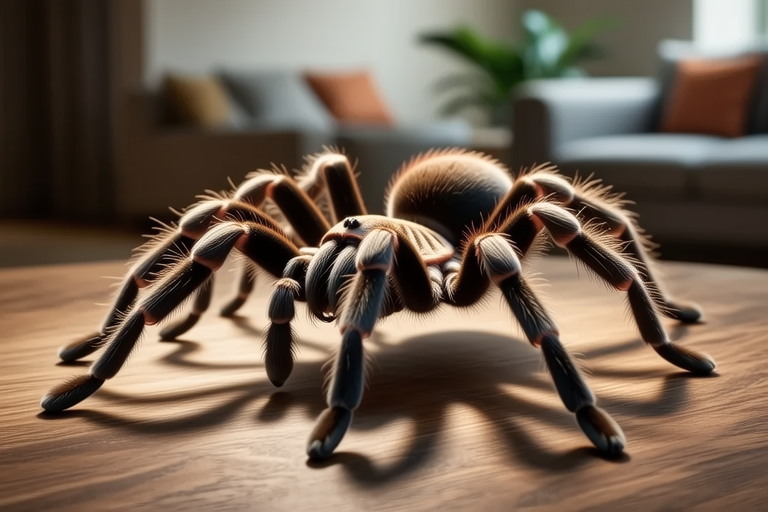
Tarantulas as House Pets: An Exploration
When considering tarantulas as house pets, it’s important to understand their care requirements, temperament, and unique needs. This article will delve into these aspects, address common misconceptions, and provide expert advice on handling, feeding, and housing these fascinating arachnids. Additionally, we’ll explore the surprising behaviors that make tarantulas intriguing companions for both novice and experienced pet enthusiasts.
The Care Requirements of Tarantulas
Caring for tarantulas involves understanding their specific environmental needs, diet, and health considerations. These spiders require a controlled environment with appropriate humidity and temperature levels. The ideal temperature range for most tarantulas is between 75°F and 85°F (24°C to 29°C), while humidity should be maintained at around 60% to 80%. A well-ventilated enclosure, such as a glass tank or plastic terrarium, is essential for maintaining these conditions.
Feeding tarantulas can be straightforward but requires attention to detail. Most species thrive on a diet of crickets, mealworms, and occasionally other small insects like dubia roaches. It’s crucial to ensure that the prey items are appropriately sized for the spider, typically no larger than half the width of its abdomen. Feeding frequency varies depending on the age and size of the tarantula; younger spiders may eat every few days, while adults might only need food once a week.
Health monitoring is another critical aspect of tarantula care. Regular observation for signs of illness, such as lethargy, loss of appetite, or unusual webbing patterns, is necessary. Providing fresh water in a shallow dish also supports overall health. Some experts recommend misting the enclosure periodically to maintain optimal humidity levels.
Temperament and Unique Needs
Tarantulas have distinct temperaments that vary by species. While some are docile and relatively calm, others can be more skittish or defensive. Handling tarantulas should always be approached with caution and respect for their natural instincts. Many species are not inclined to bite unless provoked, making them safer for interaction when handled properly.
One unique need of tarantulas is their molting process. During this time, they shed their exoskeleton, which can last several hours or even days. Owners must ensure the enclosure remains undisturbed during this period to avoid stressing the spider. Additionally, providing a hideout or retreat within the enclosure allows the tarantula to feel secure throughout its lifecycle.
Common Misconceptions About Tarantulas
There are several myths surrounding tarantulas that can deter potential owners. One prevalent misconception is that all tarantulas are aggressive and dangerous. In reality, many species are quite docile and pose little threat to humans. Another myth suggests that tarantulas require extensive space to roam freely, whereas most species adapt well to moderate-sized enclosures designed specifically for their comfort.
Some people believe that tarantulas make unsuitable pets due to their appearance. However, their striking colors and patterns can be visually captivating, especially when viewed from a safe distance. Experts emphasize the importance of educating oneself before dismissing tarantulas based solely on looks.
Expert Opinions on Handling, Feeding, and Housing
Experts in tarantula care stress the significance of proper handling techniques. When picking up a tarantula, it’s advisable to gently coax it onto your hand rather than grabbing it directly. Always support the spider’s body weight evenly to prevent injury. Regular cleaning of the enclosure helps maintain hygiene and prevents disease outbreaks.
Regarding feeding, experts recommend offering live prey rather than pre-killed insects. Live prey stimulates natural hunting behaviors and ensures the spider receives adequate nutrients. Introducing new food sources gradually allows the tarantula to acclimate without causing undue stress.
Housing recommendations include providing ample hiding spots and ensuring the substrate is suitable for burrowing or climbing. Substrates like coconut fiber or bark chips work well for creating a comfortable environment. Proper ventilation is key to preventing mold growth and maintaining air quality inside the enclosure.
Surprising Aspects of Tarantula Behavior
One surprising aspect of tarantula behavior is their ability to communicate through vibrations. By tapping their legs on surfaces, they can send signals to other tarantulas over short distances. This form of communication plays a vital role in social interactions within colonies.
Another fascinating behavior is the use of silk for various purposes beyond just creating webs. Tarantulas employ silk to line their burrows, wrap prey before consumption, and even create egg sacs for protecting offspring. Understanding these behaviors deepens our appreciation for the complexity of tarantula life cycles.
Finally, some species exhibit remarkable longevity compared to other arachnids. Certain tarantulas can live upwards of 20 years under optimal care conditions. This long lifespan makes them particularly appealing as long-term companions for those willing to commit to their maintenance.
Conclusion
Exploring tarantulas as house pets reveals a world full of wonder and responsibility. With proper knowledge and dedication, caring for these creatures can be incredibly rewarding. By addressing common misconceptions and emphasizing the importance of correct handling, feeding, and housing practices, we hope to inspire responsible ownership among interested individuals. Embracing the surprising behaviors and unique traits of tarantulas fosters an appreciation for these remarkable animals, turning them into cherished members of any household.
