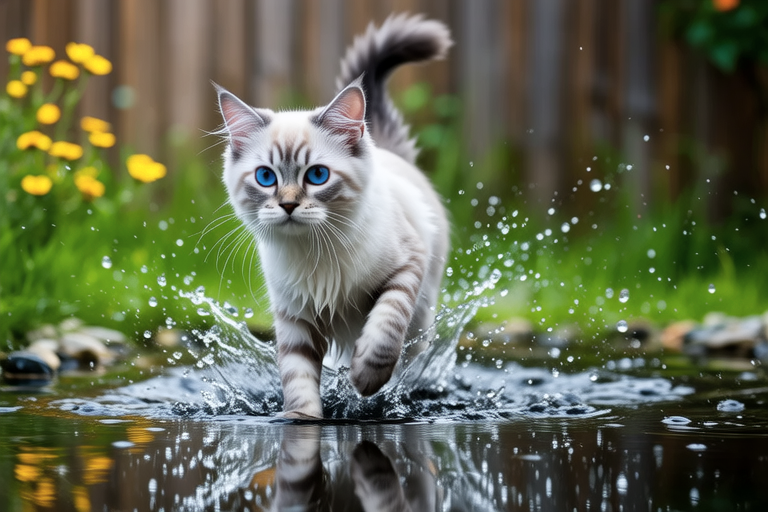
The Ultimate Guide to Raising a Happy and Healthy American Shorthair
Welcome to the comprehensive guide on raising a happy and healthy American Shorthair! This friendly, robust breed is a favorite among cat lovers for its calm demeanor and affectionate nature. Whether you’re a seasoned cat owner or new to the world of feline companions, this guide will provide you with all the information you need to ensure your American Shorthair lives a long, healthy, and joyful life.
Understanding the Breed’s History and Characteristics
The American Shorthair is one of the oldest and most popular cat breeds in America. Originating from European domestic cats that accompanied early settlers to North America, these cats were initially valued for their hunting prowess, helping to control rodent populations. Over time, they evolved into the well-rounded, family-friendly pets we know today.
American Shorthairs are known for their sturdy build, short coats, and wide variety of colors and patterns. They typically have a medium-sized body, muscular yet graceful, and a broad head with rounded cheeks. Their eyes are large, expressive, and come in shades of green, gold, or copper. The breed is recognized for its adaptability and calm temperament, making them ideal companions for families and homes with children.
Essential Nutrition Tailored for American Shorthairs
Proper nutrition is crucial for the overall health of your American Shorthair. A balanced diet should include proteins, fats, carbohydrates, vitamins, and minerals. High-quality commercial cat foods, whether wet or dry, are often sufficient to meet their nutritional needs. However, it’s important to choose a food that matches their age, weight, and activity level.
Consulting with your veterinarian can help determine the best dietary plan for your cat. For instance, kittens require more calories and nutrients for growth, while senior cats may benefit from foods designed to support joint health and manage weight. Always ensure fresh water is available at all times. Avoid feeding your cat table scraps, as they can be harmful and lead to obesity.
Exercise and Playtime Recommendations
Despite their relatively low-maintenance lifestyle, American Shorthairs still require regular exercise to maintain their physical and mental well-being. Interactive toys, such as feather wands or laser pointers, can stimulate their natural hunting instincts. Providing scratching posts, tunnels, and climbing structures also encourages movement and exploration.
Daily play sessions can strengthen the bond between you and your cat. These activities not only keep your cat fit but also prevent boredom, which can lead to behavioral issues. Aim for at least 15 minutes of active play each day. Remember, every cat is different, so observe your pet’s preferences and adjust accordingly.
Grooming Tips Specific to Their Coat
American Shorthairs have a short, dense coat that requires minimal grooming. Regular brushing once or twice a week helps remove loose hair and distribute natural oils, keeping their coat shiny and healthy. During shedding seasons, particularly spring and fall, more frequent brushing may be necessary.
Bathing is generally not required unless your cat gets into something particularly dirty. If bathing is needed, use a cat-specific shampoo and be gentle to avoid stressing your pet. Additionally, regular nail trimming and dental care are essential for overall hygiene. Ask your vet for guidance on proper nail trimming techniques and recommend safe and effective dental products.
Common Health Issues and Preventive Care
Like any breed, American Shorthairs are prone to certain health conditions. Some of the most common include hypertrophic cardiomyopathy (HCM), polycystic kidney disease (PKD), and hip dysplasia. Regular veterinary check-ups can help catch potential problems early and provide timely treatment.
Vaccinations and parasite prevention are vital components of preventive care. Discuss with your vet about the appropriate vaccination schedule and heartworm, flea, and tick prevention measures. Maintaining a healthy weight through proper diet and exercise also reduces the risk of obesity-related diseases.
Training Techniques
Cats are independent creatures, but they can learn basic commands and tricks with patience and positive reinforcement. Use treats, praise, and clicker training to encourage desired behaviors. Consistency is key—practice sessions should be brief but frequent. Reward good behavior immediately to reinforce learning.
Training can also involve teaching your cat to use a litter box properly, which is usually instinctive but may require guidance for younger kittens. Place the litter box in a quiet area away from high traffic zones, and clean it regularly to encourage use.
Creating a Stimulating Environment
To ensure your American Shorthair remains happy and engaged, provide an enriching living space. This includes vertical spaces like shelves and cat trees for climbing and perching. Puzzle feeders can challenge their minds while providing entertainment. Rotate toys periodically to maintain interest.
Establish a routine that includes playtime, feeding, and grooming sessions. Cats thrive on predictability, so maintaining a consistent daily schedule can help reduce stress. Additionally, consider adopting another cat if your current one seems lonely. Introducing a companion can provide much-needed social interaction.
In conclusion, raising a happy and healthy American Shorthair involves understanding their unique needs and providing proper care. By following the advice outlined in this guide, you’ll be well-equipped to give your beloved pet a fulfilling life. Remember, every cat is an individual, so tailor your approach based on your pet’s specific requirements and preferences.
